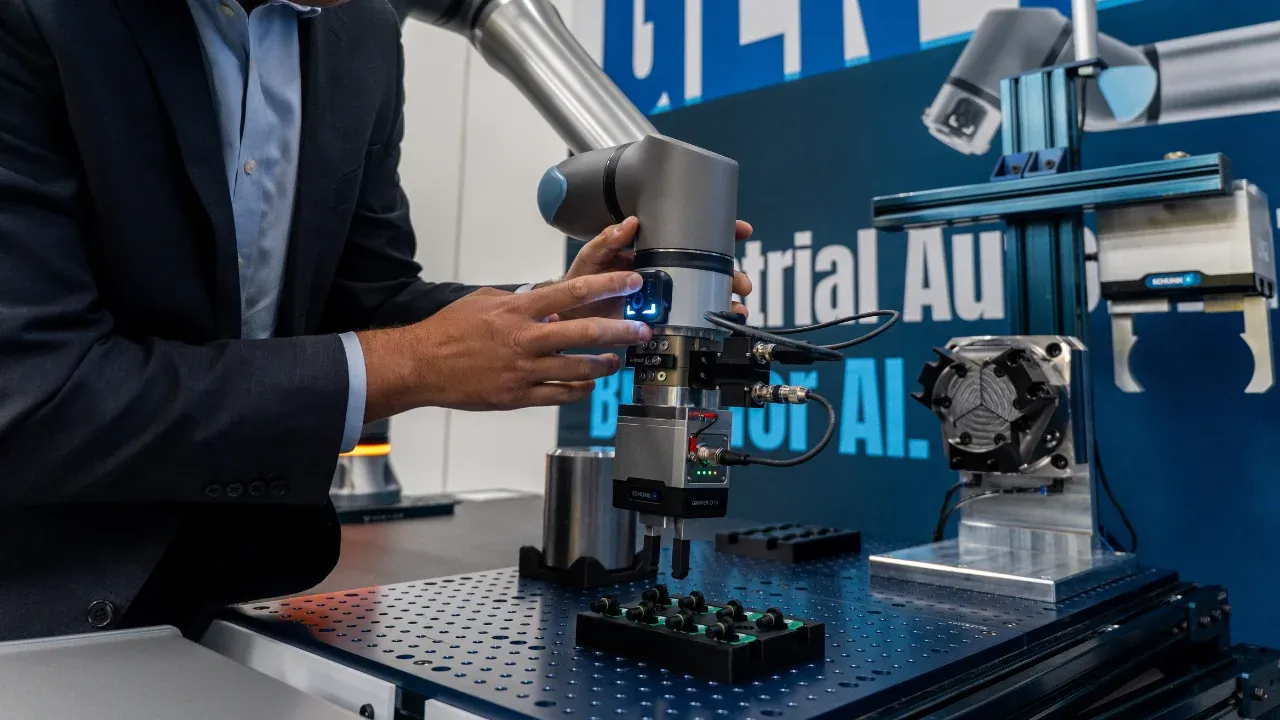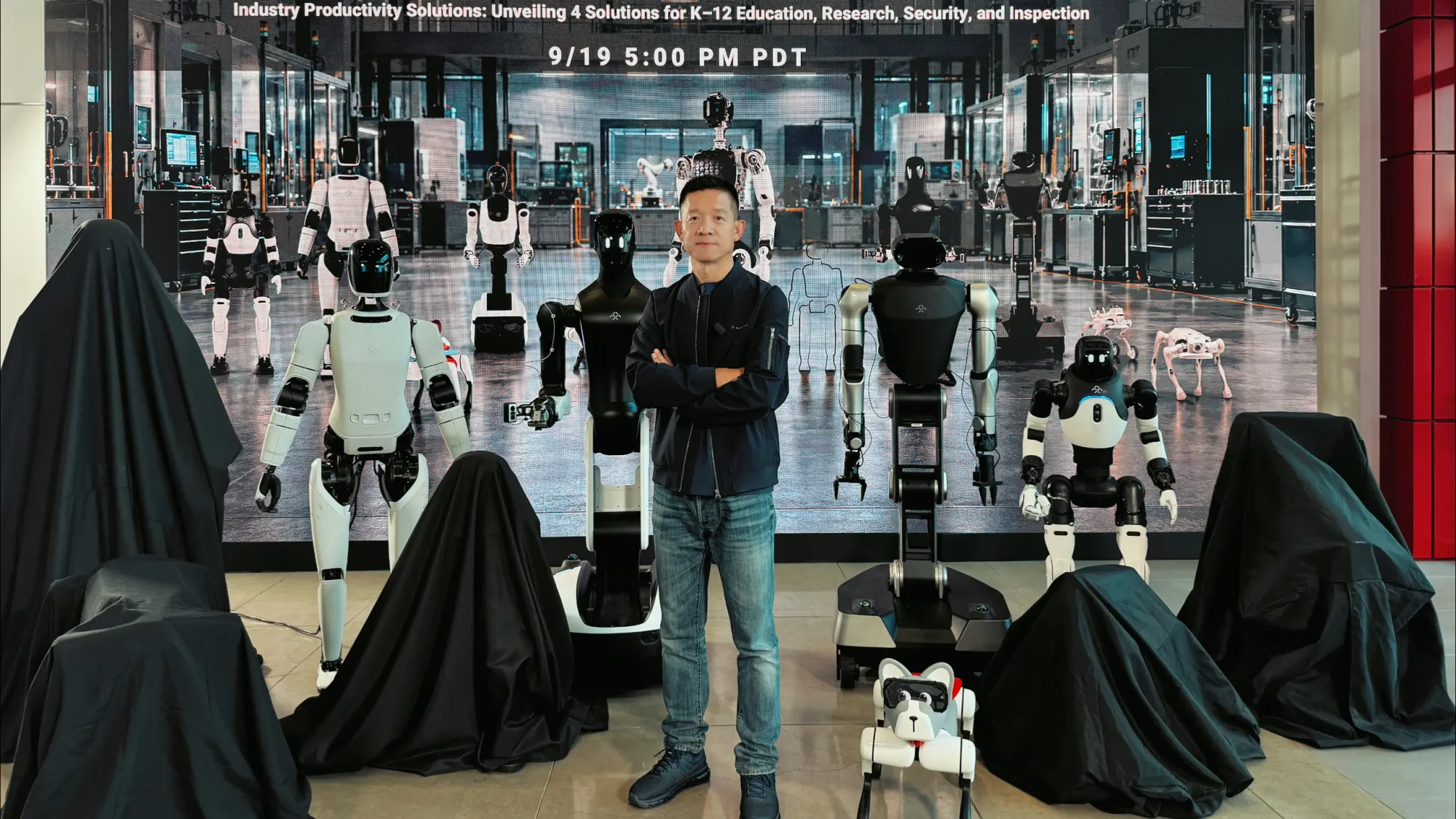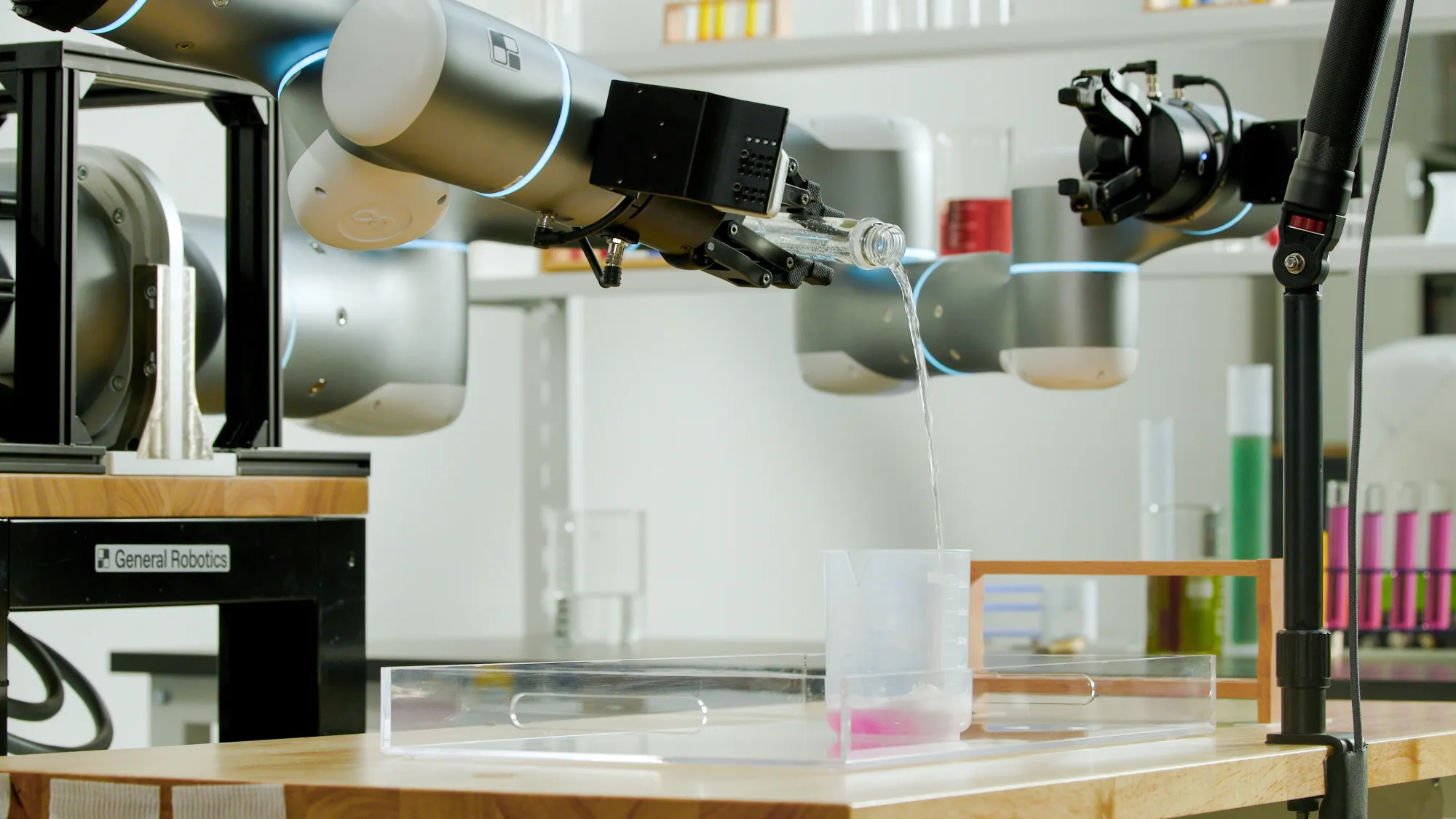
CoreWeave is attempting to bridge the widening expertise gap between machine learning modeling and industrial physics by embedding specialized engineers directly into customer workflows. The company's new Physical AI Field Engineering offering moves beyond standard cloud compute by pairing domain specialists from automotive, aerospace, and mechanical engineering backgrounds with enterprise teams to build, validate, and deploy AI models. This strategic shift targets the specific friction points of "physical AI," where models frequently fail due to data gaps or a lack of understanding regarding real-world mechanical constraints. By utilizing the methods and personnel acquired through Monolith AI, CoreWeave is positioning itself as a hands-on technical partner rather than a mere infrastructure provider, aiming to turn proprietary industrial data into production-ready applications.
Deploying Domain Experts into Industrial Workflows
The core of this new service is the deployment of engineers who possess dual competency in both machine learning and traditional engineering disciplines, such as combustion dynamics or aerospace loads. CoreWeave is targeting sectors where the cost of model error is high, specifically automotive, aerospace, and robotics. The company notes that while AI-native teams often possess modeling expertise, they frequently lack the necessary understanding of the physical systems those models are intended to serve. Conversely, traditional engineering teams may struggle to translate physical phenomena into machine learning architectures. By embedding engineers on-site, CoreWeave intends to facilitate a continuous loop: identifying missing data scenarios, building credible simulations, and validating results against the actual physics of the customer's hardware.
This approach has already been applied to over 100 engineering projects. In one instance involving the Aston Martin Aramco Formula One™ Team, CoreWeave engineers were embedded during live race weekends to develop a transcription model. This model was trained on seven hours of hand-annotated audio and refined through 75 iterations, eventually enabling the processing of 40 radio channels simultaneously to provide strategic insights within a thirty-second pit window. The service is designed to move past the "demo" phase, focusing on delivering working applications, optimizers, and dashboards that integrate directly into existing enterprise workflows.
Integrating the Engineering AI Stack and Infrastructure
CoreWeave is not offering this service as a standalone consultancy but as an extension of its proprietary integrated engineering AI solution. This technical stack includes Weights & Biases for experiment tracking and model management, marimo for data exploration, and CoreWeave ARIA for driving continuous model and agent improvement. The service is built to run on CoreWeave’s own specialized infrastructure, which the company claims is purpose-built for the specific compute demands of physical AI. This integration allows the company to manage the full lifecycle of a project, from initial scoping workshops that map engineering workflows to the deployment of "agentic learning" systems that can recalibrate physical hardware or correct faults in real-time.
The company emphasizes a model of technical sovereignty, where customers retain full control over their proprietary data and the resulting models. Unlike traditional consulting engagements that might result in a static report, CoreWeave’s field engineers work alongside customer teams to prototype solutions end-to-end. The goal is to ensure that once a model is deployed, the customer's own engineers are equipped to operate, modify, and retrain it. This methodology seeks to solve a recurring problem in industrial AI: the disconnect between the domain expert who understands the physical process and the data scientist who builds the model. By providing the infrastructure, the engineering stack, and the specialized personnel, CoreWeave is attempting to create a repeatable environment for industrial AI deployment.
Key Takeaways
- CoreWeave has launched Physical AI Field Engineering, an offering that embeds engineers with expertise in automotive, aerospace, and mechanical engineering into customer teams.
- The service utilizes a proprietary engineering AI stack including Weights & Biases, marimo, and CoreWeave ARIA to manage the full AI engineering lifecycle.
- The company has already applied this approach to more than 100 engineering projects, including a transcription model for the Aston Martin Aramco Formula One™ Team.
TechInsyte's Take
In our view, CoreWeave is making a calculated move to differentiate itself from hyperscale cloud providers by moving up the value chain from "commodity compute" to "specialized engineering services." By focusing on Physical AI, CoreWeave is targeting a high-barrier-to-entry market where the primary challenge is not just GPU availability, but the complex intersection of data science and physical laws. This strategy acknowledges a critical truth in the enterprise sector: having massive compute power is useless if the models cannot survive the rigors of real-world physics. By embedding engineers who "speak the language" of the customer, CoreWeave is attempting to mitigate the high failure rates associated with industrial AI deployments. If successful, this could transform CoreWeave from a specialized cloud vendor into an indispensable partner for the heavy industries that drive the global economy.
Questions & Answers
How does CoreWeave ensure that customers maintain ownership of their intellectual property during these engagements?
CoreWeave has structured the service so that customers retain full control of both their proprietary data and the resulting AI models. The field engineers work alongside the customer's own teams to build solutions using the customer's existing data—such as telemetry and sensor outputs—ensuring the customer is equipped to operate and retrain the models independently after deployment.
What specific technical stack supports the Physical AI Field Engineering service?
The service runs on CoreWeave's integrated engineering AI solution, which incorporates Weights & Biases for model management and experiment tracking, marimo for data exploration, and CoreWeave ARIA for continuous model and agent improvement. This stack is supported by CoreWeave's specialized infrastructure designed for the high compute demands of physical AI.
What is the primary problem CoreWeave aims to solve with this new offering?
The offering targets the "expertise gap" in industrial AI, where the individuals who understand the physical domain (like aerospace loads or combustion dynamics) are often different from the individuals who can build machine learning models. CoreWeave aims to close this gap by providing engineers who possess both sets of skills to ensure models are validated against real-world physics.
In what ways does the service move beyond traditional AI consulting?
Unlike traditional consultants who may provide static reports or "one-off" builds, CoreWeave's engineers embed themselves in the customer's workflow to prototype and deploy end-to-end solutions. The goal is to deliver working applications, such as optimizers or dashboards, that are integrated into existing workflows and can be operated directly by the customer's own staff.
Source: Businesswire