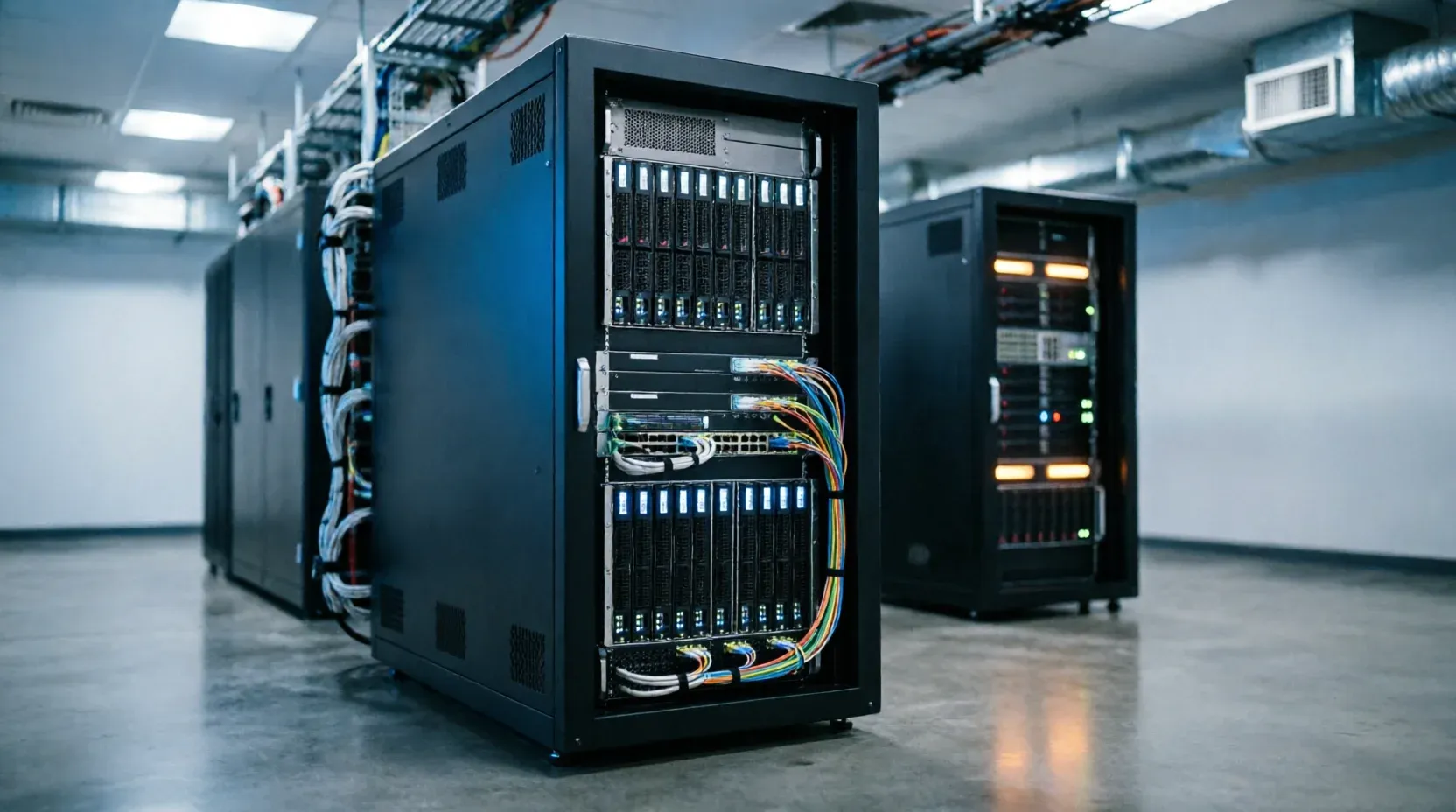
Xurrent and Raynet announced a partnership that integrates Raynet One into Xurrent’s IT Service Management (ITSM) platform. The joint solution aims to improve data quality, completeness, and flexibility for enterprises managing physical, virtual, and cloud assets, a priority for IT operations and service management leaders.
Integration Details and Expected Benefits
The integration embeds Raynet One’s asset‑visibility capabilities directly into Xurrent’s AI‑powered service and operations platform. According to the announcement, the combined offering delivers “normalized, high‑quality IT asset data” across hybrid environments, which should enable more reliable service processes and stronger automation. Raynet’s founder and CEO, Ragıp Aydın, emphasized that “reliable and complete data becomes a critical success factor” as organizations automate ITSM workflows. Xurrent’s chief product officer, Phil Christianson, added that the partnership “helps customers automate processes more effectively, gain deeper visibility, and drive more efficient ways of working.”
Key benefits listed for customers include:
- Improved data quality and completeness across ITSM processes
- Enhanced automation through normalized and reliable IT asset data
- Greater flexibility in managing hybrid IT environments
- Faster access to actionable insights and increased operational transparency
The partnership was showcased at the Serview Summit 2026, Europe’s largest ITSM trade fair, where attendees could see a “first impression of the synergies of the partnership and its implementation in the product.”
Position Within the ITSM Landscape
Both vendors position the integration as a response to growing demand for integrated IT visibility within ITSM solutions. Raynet describes itself as a “global software vendor with market‑leading solutions and specialist for True IT Asset Visibility,” while Xurrent markets an “AI‑powered service and operations management platform” for corporate IT teams and enterprise MSPs. By combining Raynet’s asset‑discovery technology with Xurrent’s workflow and automation engine, the partnership seeks to address the complexity of modern hybrid IT landscapes without requiring separate data‑management layers.
Operational Relevance for Enterprises
For CIOs and IT operations leaders, the joint solution promises a single source of truth for asset data, potentially reducing the effort needed to reconcile information from disparate monitoring tools. Normalized data can feed directly into Xurrent’s automation rules, supporting faster incident resolution and more accurate capacity planning. The announcement does not provide quantitative performance metrics or pricing details, and the company did not disclose further details in the announcement.
What To Watch
- Adoption timelines: The partnership was introduced at Serview Summit 2026, but rollout schedules for existing Xurrent customers were not specified.
- Integration depth: Future updates may expand the range of asset types or cloud providers covered by Raynet One within Xurrent’s platform.
- Customer feedback: Early adopters’ experiences with data quality improvements and automation gains will be critical to assess the partnership’s practical impact.
Key Takeaways
- Raynet One is now integrated into Xurrent’s ITSM platform to provide normalized, high‑quality IT asset data across physical, virtual, and cloud environments.
- The partnership targets improved data quality, enhanced automation, and greater flexibility for managing hybrid IT environments.
- The integration was demonstrated at Serview Summit 2026, but specific rollout timelines and pricing were not disclosed.
TechInsyte's Take
The Xurrent‑Raynet integration addresses a concrete pain point—fragmented asset data—that can hinder automation in large IT organizations. While the announcement outlines expected benefits, the lack of performance data and rollout details means enterprises should monitor early deployments before committing significant resources. Decision‑makers should evaluate how the unified data model aligns with existing asset‑management tools and whether the partnership’s roadmap matches their hybrid‑IT strategies.
Source: einpresswire