Tottenham Hotspur is pivoting toward an autonomous, AI-native digital environment to manage the increasing complexity of its multi-use stadium operations. Through an expanded partnership with HPE, the football club is modernizing its underlying technology stack to support high-density connectivity, cashless commerce, and real-time fan engagement. This strategic shift moves the venue beyond simple infrastructure refreshes, aiming instead to build a resilient, hybrid cloud foundation capable of supporting diverse global events ranging from NFL games to large-scale concerts. By integrating AI-driven networking and automated management, the club intends to simplify its IT workload, allowing technical teams to focus on stadium operations rather than manual infrastructure maintenance.
Consolidating Distributed Environments via HPE GreenLake
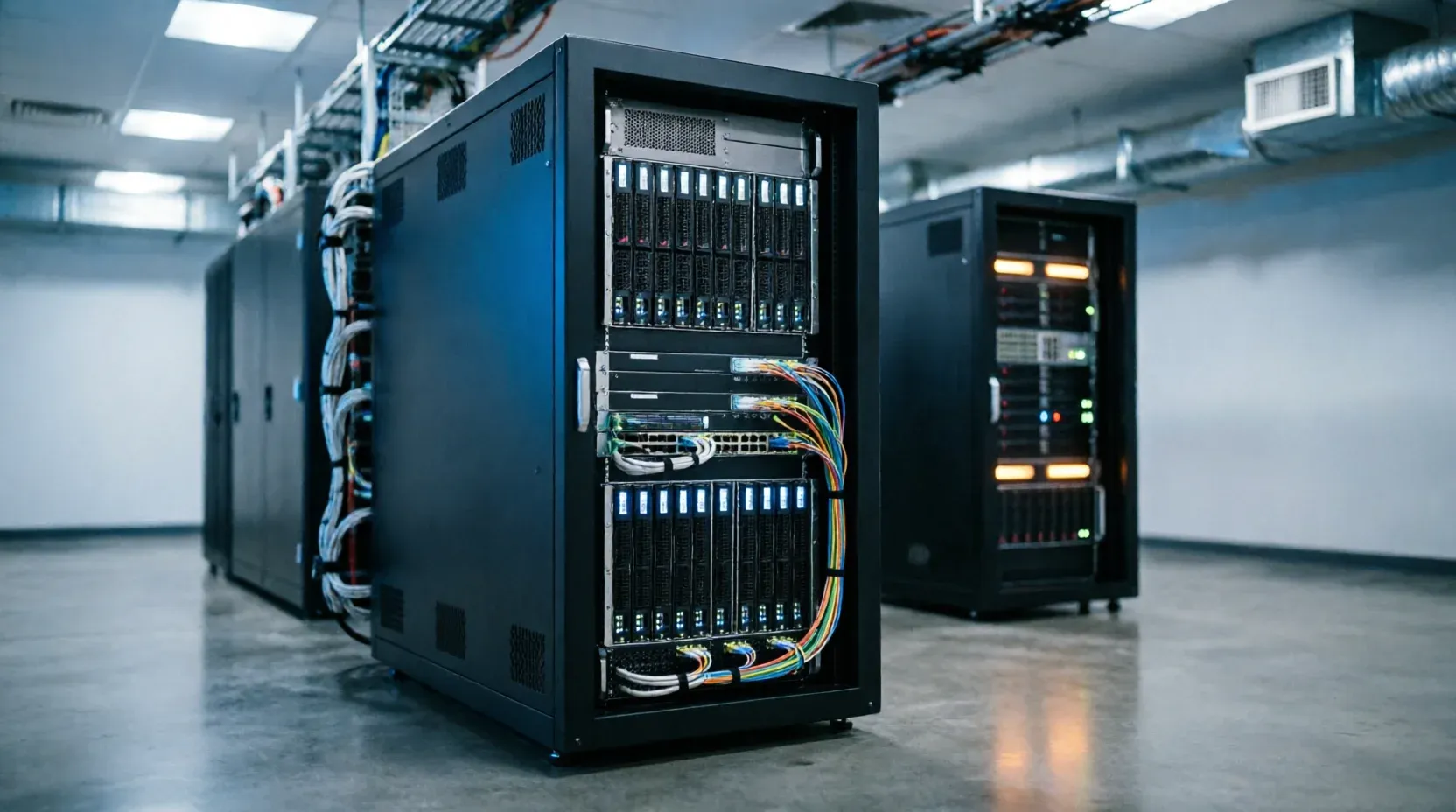
The core of this digital transformation involves consolidating distributed IT environments from eight separate locations into two centralized core environments. To achieve this, Tottenham Hotspur is deploying HPE GreenLake to provide a unified hybrid cloud operating model, which the club claims will offer real-time visibility across its entire IT estate. The hardware backbone for this consolidation includes HPE ProLiant Compute Gen12 servers and HPE Alletra Storage MP. This centralized architecture is designed to power a wide array of critical stadium functions, including security systems, IPTV, point-of-sale terminals, and crowd analytics.
To manage this complexity, the club is implementing HPE Morpheus Software and HPE OpsRamp Software. These tools are intended to automate infrastructure management, using AI-driven automation to proactively identify and resolve technical issues. By adopting an as-a-service operating model, the club seeks to gain greater agility and more predictable IT costs. This approach is positioned to help a lean IT team manage a multi-site environment more efficiently while modernizing virtualization platforms and reducing overall operational overhead. The club is effectively attempting to make its technology "invisible" to fans by ensuring the underlying systems remain stable and autonomous.
Deploying AI-Native Networking and Wi-Fi 7
Tottenham Hotspur is also overhauling its connectivity layer by deploying HPE Networking infrastructure to unify its data center, campus, and edge networking. This deployment utilizes the HPE Aruba Central platform to transition network operations from a reactive model to an autonomous execution model. The club is positioning this as a "self-driving network" that continuously analyzes data regarding users, applications, and network experiences to proactively optimize performance. Notably, the stadium is among the first to deploy outdoor Wi-Fi 7, a move designed to provide the high capacity and speed required for tens of thousands of fans to access digital services and stream live content simultaneously.
Security within this high-density environment is being addressed through the HPE Networking ClearPass Policy Manager. This solution utilizes AI-driven policy management and identity-based access controls to implement a Zero Trust approach, protecting both user devices and critical stadium operations. Furthermore, the club is addressing the financial and environmental aspects of this hardware lifecycle through HPE Financial Services. This includes a sustainable technology lifecycle approach where HPE will buy back eligible legacy equipment for refurbishment and resale through its Technology Renewal Center, supporting a circular economy while optimizing the club's investment efficiency.
Key Takeaways
- Tottenham Hotspur is consolidating its IT environment from eight locations into two core environments using HPE ProLiant Compute Gen12 servers and HPE Alletra Storage MP.
- The stadium is implementing an AI-native network via the HPE Aruba Central platform and is among the first venues to deploy outdoor Wi-Fi 7.
- HPE Financial Services will facilitate a circular economy by buying back eligible legacy equipment for refurbishment and resale through the HPE Technology Renewal Center.
TechInsyte's Take
In our view, Tottenham Hotspur’s decision to move toward an "agentic" AI operations model signals a broader trend in enterprise IT: the shift from managing hardware to managing outcomes. By consolidating eight disparate environments into two and leveraging an as-a-service model via HPE GreenLake, the club is prioritizing operational resilience over traditional ownership. This is a calculated move to mitigate the massive technical volatility inherent in hosting high-density, multi-use events like NFL games and global concerts. The deployment of Wi-Fi 7 and autonomous networking suggests that for modern digital infrastructure, "connectivity" is no longer a utility but a core component of the consumer experience. For C-suite leaders, this illustrates how high-performance, AI-driven automation can be used to scale complex, multi-site operations without a linear increase in IT headcount.
Questions & Answers
How does the new infrastructure impact the club's operational efficiency?
The club is moving to an as-a-service operating model using HPE GreenLake and AI-driven software like HPE Morpheus and HPE OpsRamp. This is intended to automate infrastructure management and consolidate eight previously distributed locations into two core environments, allowing a lean IT team to manage complex operations with less manual intervention.
What specific networking technologies are being used to handle high fan density?
Tottenham Hotspur is deploying HPE Networking infrastructure managed through the HPE Aruba Central platform to enable autonomous network operations. Additionally, the club is implementing outdoor Wi-Fi 7 to provide the high capacity and speed necessary for tens of thousands of simultaneous users.
How is the club addressing cybersecurity in this modernized environment?
The club is utilizing HPE Networking ClearPass Policy Manager, which employs AI-driven policy management and identity-based access controls. This is designed to support a Zero Trust security architecture to protect both fans and critical stadium operations.
What role does HPE Financial Services play in this digital transformation?
HPE Financial Services is providing a sustainable technology lifecycle approach by aligning investments with modernization goals. This includes a buy-back program for eligible legacy equipment, which is then processed through the HPE Technology Renewal Center for refurbishment and resale to support a circular economy.
Source: Businesswire