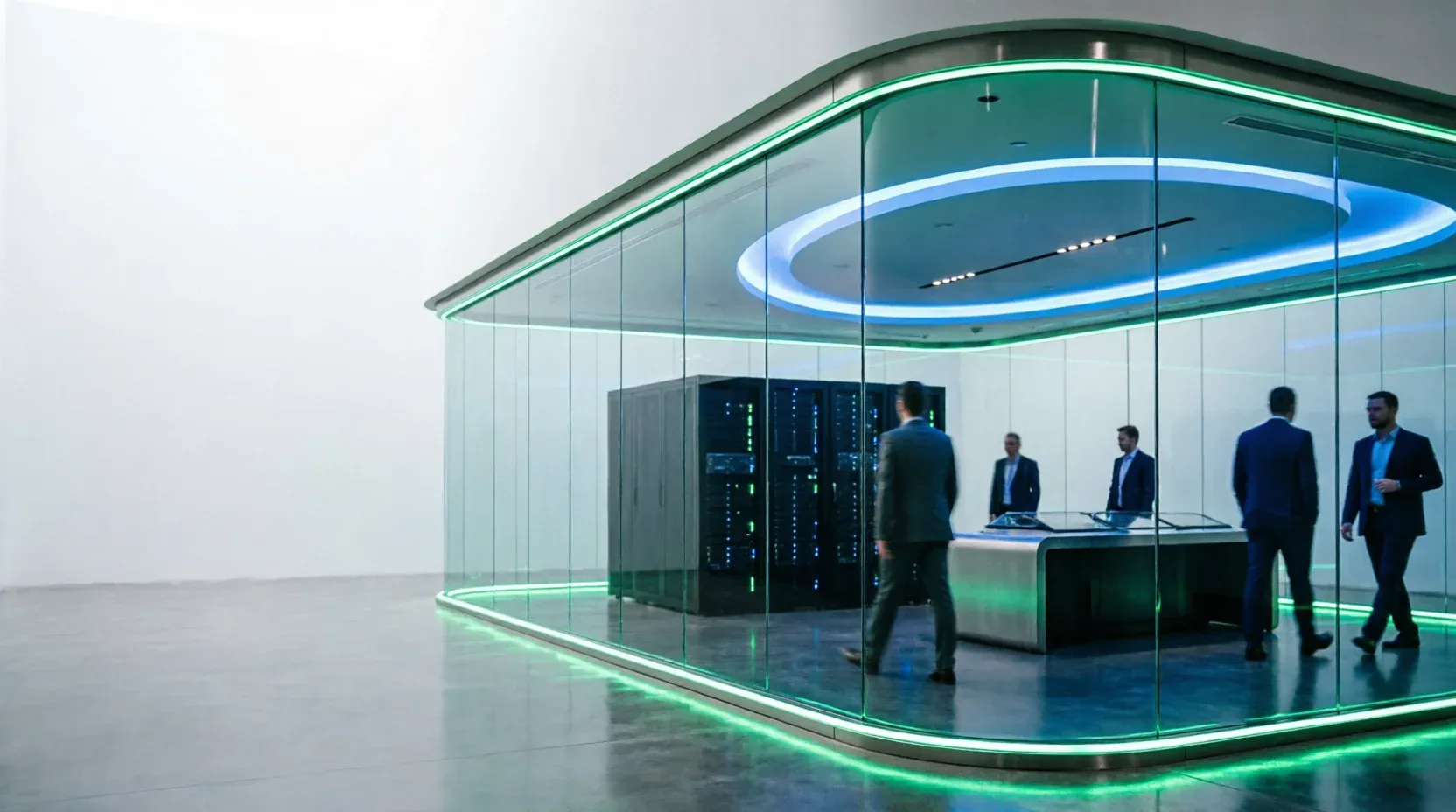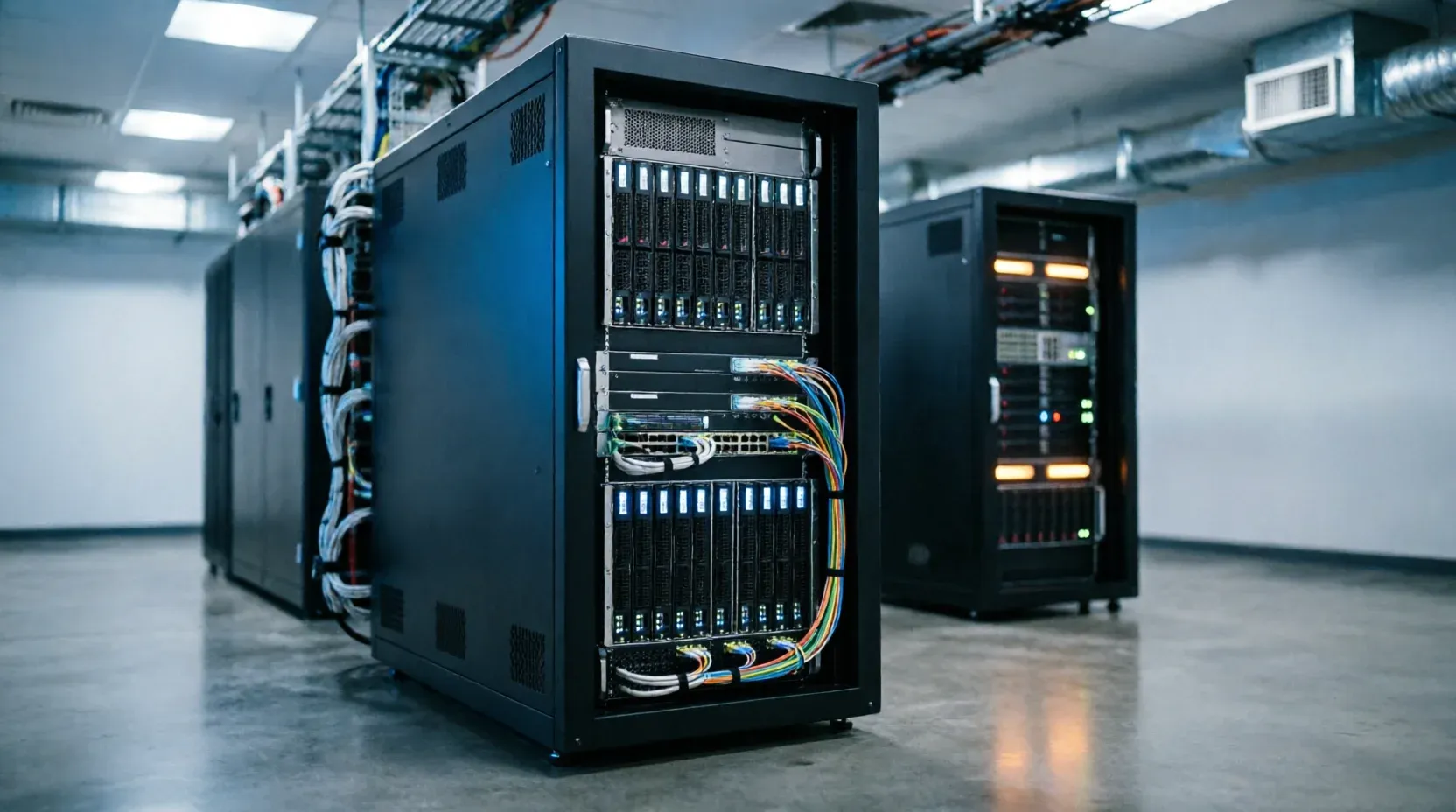
Palantir is moving from prototyping to full-scale production of the U.S. Army's next-generation deep-sensing infrastructure. The Army Contracting Command has awarded Palantir USG, Inc. a prime agreement to produce and deliver eight Tactical Intelligence Targeting Access Node (TITAN) ground station systems. This development marks a shift toward AI-defined hardware, positioning Palantir as a central integrator for the Army's mission command and long-range precision fires capabilities.
Production of Advanced and Basic TITAN Variants
The contract mandates the delivery of eight TITAN systems, split equally between two distinct hardware configurations. Palantir will manufacture four Advanced systems, which offer increased processing and integration capabilities, and four Basic systems designed specifically for mobility and rapid deployment. As the prime contractor, Palantir is responsible for overseeing the entire manufacturing and delivery process while providing the core software that powers the platform. This agreement extends beyond mere hardware delivery; it includes the integration of new critical technologies and the eventual fielding of these systems to the operational Army. The company will also continue to sustain existing prototype systems currently in use by the force.
AI-Driven Integration of Multi-Domain Sensors
The TITAN platform functions as a crewed ground station that aggregates data from Space, High Altitude, Aerial, and Terrestrial sensors. By utilizing artificial intelligence and machine learning, the system is intended to provide actionable targeting information to support long-range precision fires. Palantir is managing a complex ecosystem of traditional and non-traditional partners to fulfill this requirement. The integration team includes Anduril Industries, L3Harris Technologies, Sierra Nevada Corporation, Strategic Technology Consulting, and World Wide Technology. This collaborative approach suggests a move toward a modular, software-centric architecture where Palantir’s software acts as the connective tissue between diverse subsystems and hardware components from multiple specialized vendors.
Key Takeaways
- Palantir will deliver eight TITAN systems, consisting of four Advanced and four Basic variants.
- The contract establishes Palantir as the prime contractor responsible for manufacturing, delivery, and software provision.
- The TITAN system integrates data from Space, High Altitude, Aerial, and Terrestrial sensors using AI and machine learning.
TechInsyte's Take
In our view, this contract validates the Army's transition toward a software-defined defense model. By appointing Palantir as the prime contractor, the Army is effectively outsourcing the orchestration of a complex, multi-vendor hardware ecosystem to a software-first entity. This signals a strategic preference for rapid, iterative updates over traditional, monolithic procurement cycles. For enterprise leaders, this illustrates how AI-driven integration layers are becoming the critical infrastructure required to manage increasingly heterogeneous and distributed sensor networks in high-stakes environments.
Questions & Answers
How does the TITAN system differentiate between its hardware variants?
The Army is receiving two types of systems: the Advanced variant, which focuses on higher processing and integration capacity, and the Basic variant, which is optimized for mobility and rapid deployment in the field.
What is Palantir's specific role in the TITAN program?
Palantir acts as the prime contractor, meaning it oversees the manufacturing and delivery of the full system while providing the foundational software that enables the AI and machine learning capabilities.
Which organizations are involved in the TITAN technology integration?
Palantir is integrating subsystems and technologies from a partner team that includes Anduril Industries, L3Harris Technologies, Sierra Nevada Corporation, Strategic Technology Consulting, and World Wide Technology.
What specific sensor data does the TITAN ground station process?
The system is designed to access and process intelligence from Space, High Altitude, Aerial, and Terrestrial sensors to provide actionable targeting information.
Source: Businesswire