Rundoo is positioning itself to bridge the technological gap between independent retailers and massive big-box corporations by deploying an AI-driven operating system for the supply sector. The Redwood City-based company has secured $30 million in Series B financing, led by Battery Ventures, which brings its total funding to $48 million. This capital injection arrives as the company seeks to modernize the "decades-old systems" currently used by independent hardware, paint, lawn & garden, and farm & feed stores. By targeting these historically overlooked segments, Rundoo aims to provide small-scale retailers with the sophisticated analytical capabilities typically reserved for large-scale enterprise competitors.
Battery Ventures Leads $30M Series B Expansion
The new funding round includes participation from existing investors Bessemer Venture Partners and CRV, signaling continued institutional confidence in Rundoo’s specialized market approach. Battery Ventures' Michael Brown, who will join the company’s board, is drawing a direct parallel between Rundoo’s trajectory and the growth of ServiceTitan, a public company that established an operating system for the trades. This strategic alignment suggests that investors view the independent supply store segment as a ripe vertical for digital transformation. Rundoo intends to deploy this capital to scale its engineering presence in Redwood City and expand its go-to-market operations through a new team in Chicago.
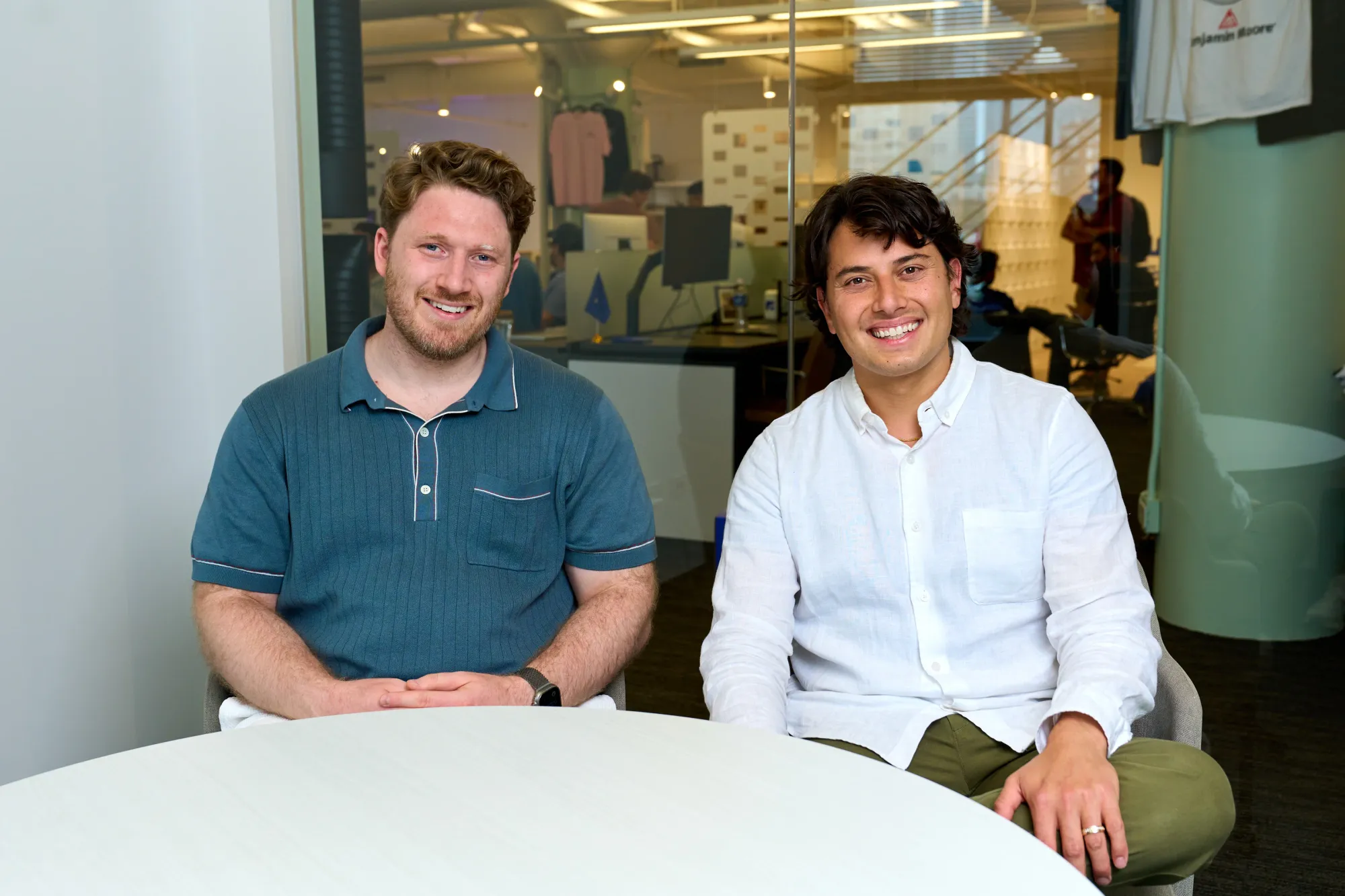
Beyond headcount, the company plans to invest in additional technology to enhance its platform's capabilities for its existing client base. Rundoo currently serves over 500 stores across the United States, Canada, and the Caribbean. The company's leadership, including co-founder and CEO Nick Hershey and co-founder Andrew Beckman, is focusing on addressing macroeconomic headwinds such as tariffs and oil shocks by helping small businesses optimize their margins. By integrating directly with major manufacturers like Benjamin Moore, Rundoo is attempting to build a deeply interconnected ecosystem that links independent dealers to global supply chains through automated software interfaces.
AI-First Infrastructure for Independent Retailers
Rundoo’s platform functions as a unified system of record, consolidating several traditionally fragmented business functions into a single AI-first interface. The suite includes point-of-sale (POS) systems, e-commerce technology, customer relationship management (CRM), loyalty programs, and general ledger capabilities. Central to this offering is "Dooey," an AI agent designed to perform complex analytical tasks that previously required dedicated human teams. For example, the agent can generate purchase orders by synthesizing historical sales data, localized weather forecasts, and regional landscaping bids to predict inventory needs.
The platform also targets proactive revenue generation through automated customer outreach and promotional intelligence. The AI agent can suggest time-bounded promotions, such as specific discounts tied to holidays, based on predictive sales modeling. For store owners, the technology acts as a continuous analyst, providing daily plain-language recaps of business activity. These reports highlight top-selling items, new customer acquisitions, unusual return patterns, and inventory that fails to meet established margin thresholds. By automating these insights, Rundoo is attempting to provide small-scale owners with the operational power and data-driven decision-making capabilities used by large-scale corporate entities.
Key Takeaways
- Rundoo has raised $30 million in Series B funding led by Battery Ventures, bringing total funding to $48 million.
- The company serves more than 500 independent supply stores across the U.S., Canada, and the Caribbean.
- The platform utilizes an AI agent named "Dooey" to automate purchase orders, sales analysis, and promotional marketing.
TechInsyte's Take
In our view, Rundoo’s strategy highlights a significant, underserved opportunity in the "built-world" supply chain. While much of the recent AI hype has focused on generative content or enterprise coding assistants, Rundoo is applying machine learning to the high-friction, high-utility world of physical inventory and local commerce. By targeting the "lynchpin" of the construction and gardening sectors—the independent supplier—they are attacking a vertical where digital maturity has lagged behind consumer expectations. The involvement of Battery Ventures, particularly with the ServiceTitan comparison, suggests this is not just a tool for efficiency, but a play to become the essential infrastructure for an entire industry. If Rundoo can successfully integrate deeply with manufacturers like Benjamin Moore, they will create a high-moat ecosystem that makes it difficult for legacy POS providers to compete.
Questions & Answers
How does Rundoo plan to utilize its $30 million Series B funding?
The company intends to use the funds to expand its engineering team in Redwood City and grow its go-to-market team in Chicago. Additionally, the capital is earmarked for investing in new technology to support its existing client base of over 500 stores.
What specific business functions does the Rundoo platform consolidate?
Rundoo provides a unified set of tools including a point-of-sale system, e-commerce technology, customer relationship management (CRM), loyalty programs, and general ledger capabilities, all managed through an AI-first interface.
How does the "Dooey" AI agent assist with inventory and sales management?
Dooey can build purchase orders by analyzing historical sales, upcoming weather patterns, and local bids. It also provides daily recaps of business activity, such as top sellers and margin alerts, and can suggest time-bounded promotions to drive sales.
What is the strategic significance of Rundoo's partnership with Benjamin Moore?
By connecting directly to Benjamin Moore’s tint software, Rundoo allows independent dealers to reliably manage color tinting information. This integration helps bridge the gap between global manufacturers and local independent retailers through automated data synchronization.
Source: Businesswire