Transfyr is attempting to solve the fundamental "lossy" nature of scientific documentation by building a physical AI platform designed to capture the granular, unwritten realities of laboratory execution. The Cambridge-based startup announced its launch today, backed by $25 million in seed funding led by General Catalyst. By integrating sensor systems and multimodal models, the company aims to bridge the gap between manual bench science and machine-readable data. This strategic move targets the massive inefficiencies in scientific translation and tech transfer, where a lack of observability often leads to irreproducible research and significant delays in bringing new products to market.
Transfyr $25M Seed Funding and Leadership
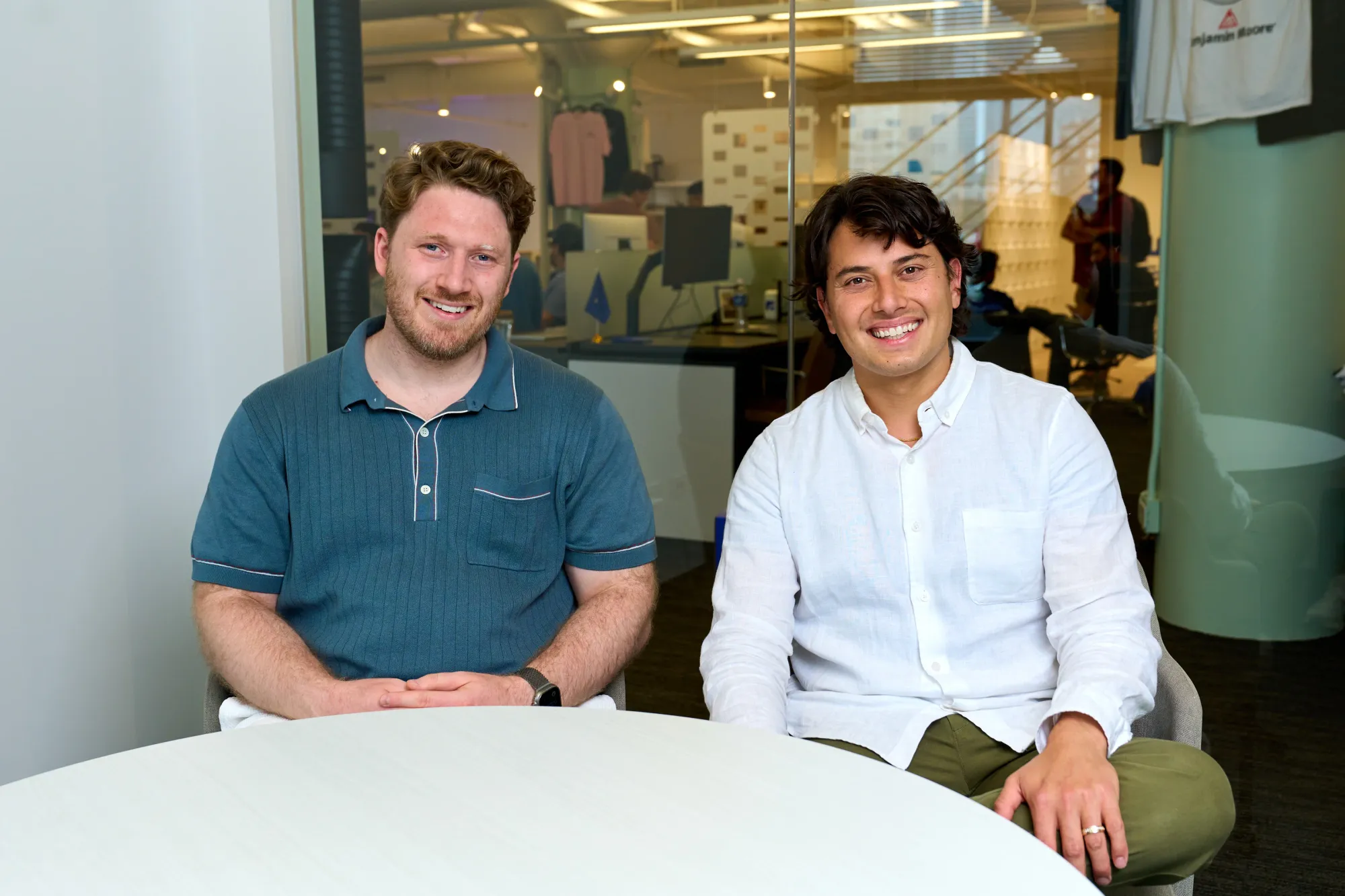
The $25 million seed round includes participation from several prominent venture capital firms, including Lux Capital, Breakout Ventures, Factory, Neo, SV Angel, MVP Ventures, Underscore VC, and Lyda Hill. Transfyr is led by co-founders Anna Marie Wagner, the former Head of AI and Corporate Development at Ginkgo Bioworks, and Dr. Renee Wegrzyn, the founding Director of ARPA-H. The company is positioning its infrastructure as a necessary layer for efficient scientific reproducibility and automation. To support this mission, the firm has assembled a multidisciplinary team of wet-lab scientists, automation engineers, and machine learning experts. The company’s advisory board features high-profile figures such as Nobel-winning researcher David Baker, former Merck CEO Ken Frazier, and former OpenAI Chief Product Officer Kevin Weil. This leadership structure suggests an intent to navigate the complex intersection of deep biological science and frontier artificial intelligence.
Capturing the Missing Layers of Scientific Data
Transfyr’s technical approach focuses on capturing the "tacit knowledge" and environmental context that traditional scientific records often omit. The platform utilizes integrated sensor systems and multimodal models to passively interpret operator actions, equipment telemetry, and supply chain dynamics. According to the company, this metadata is intended to surface process variability, enable root cause analysis, and optimize protocols. By converting physical actions into interpretable data, Transfyr aims to facilitate the creation of robotic-level instructions and active reinforcement learning loops. The company also operates an in-house wet lab in Cambridge, Massachusetts, to generate foundational training data and test its sensor stack within real experimental workflows. This setup allows the company to evaluate its technology for frontier AI labs while simultaneously developing the data necessary to power closed-loop automated systems in diverse scientific environments.
Key Takeaways
- Transfyr raised $25 million in seed funding led by General Catalyst to develop a physical AI platform for scientific observability.
- The platform uses integrated sensors and multimodal models to capture operator intent, environmental context, and equipment telemetry.
- The company is already engaged in projects including a nearly $1M Massachusetts Life Sciences Center grant and the NSF’s $400M Programmable Cloud Labs initiative.
TechInsyte's Take
In our view, Transfyr is targeting one of the most expensive bottlenecks in the life sciences: the "translation gap." While much of the current AI hype focuses on digital-only models, Transfyr is betting that the next frontier of enterprise value lies in the physical-to-digital interface. The company’s focus on "lossless" data capture addresses a massive financial drain; as noted by Accenture, 64% of drug-launch delays in 2024 were linked to CMC issues, often exacerbated by poor tech transfer. By treating the laboratory as a data-generating environment rather than just a site of manual execution, Transfyr is positioning itself as the essential middleware for the future of autonomous science. If they can successfully convert unwritten human expertise into high-fidelity machine instructions, they will become a critical component of the digital infrastructure supporting both pharmaceutical R&D and advanced robotics.
Questions & Answers
How does Transfyr's platform intend to improve scientific reproducibility?
The platform uses integrated sensor systems and multimodal models to capture environmental context, operator actions, and equipment telemetry. By converting these physical nuances into machine-readable metadata, Transfyr aims to provide a more complete and interpretable record of scientific execution than traditional, "lossy" written documentation.
What specific business problems is Transfyr addressing in the life sciences sector?
Transfyr is targeting the inefficiencies in scientific translation and tech transfer. The company points to the high cost of irreproducible research and the significant delays in drug launches—noting that 64% of 2024 drug-launch delays stemmed from CMC issues—as primary drivers for needing better observability and automated protocol optimization.
What role does the in-house wet lab play in Transfyr's development strategy?
The in-house wet lab serves as a controlled environment to generate foundational training data for Transfyr's multimodal models. It also allows the company to test its sensor stack within real experimental workflows and conduct evaluations for frontier AI laboratories.
Who are the primary users and partners for the Transfyr platform?
Transfyr is working with partners across diagnostics, academic research, workforce development, robotics, and frontier AI labs. Its technology is also being utilized in programs like the Massachusetts Life Sciences Center “Gamechanger” grant and the NSF’s $400M Programmable Cloud Labs initiative.
Source: Businesswire