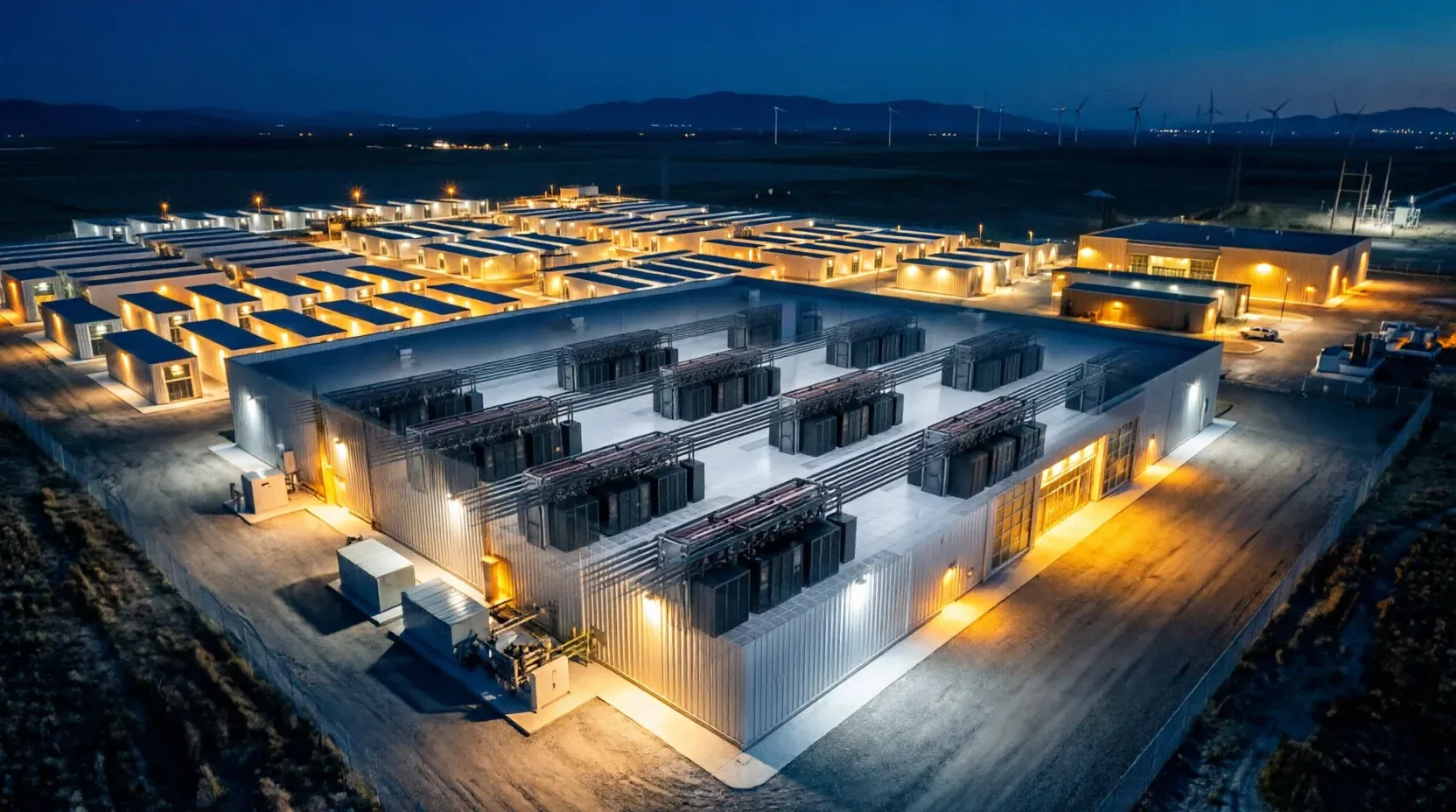
The rapid expansion of AI data centers and the integration of AI-enabled devices into enterprise operations are creating a paradoxical demand for physical technology support. While artificial intelligence is expected to automate many routine troubleshooting tasks, the sheer scale of new infrastructure deployment is escalating the need for specialized onsite intervention. According to the ISG Market Lens™ 2026 Field Services Report, 56 percent of surveyed large enterprises anticipate that AI infrastructure or AI-enabled devices will serve as significant drivers of additional field services demand through at least the end of 2028. This shift suggests that while software may become more autonomous, the underlying hardware layer requires more intensive, specialized human oversight to maintain operational resilience.
AI Infrastructure and Data Center Expansion Drivers
The acceleration of AI deployment is fundamentally altering the workload requirements for field service providers. ISG research indicates that data center, network, or connectivity expansion is a primary catalyst, cited by 39 percent of respondents as a significant driver of increased service needs. Furthermore, the mean forecast for demand growth in data centers and technical infrastructure sites is 3 percent, which represents the highest growth rate among all operating environments surveyed. Beyond simple expansion, more than one-third of large, mostly multinational enterprises in the Americas and Europe identified legacy system retirement and new security, regulatory, or access requirements as additional factors necessitating increased field support.
This surge in physical complexity is occurring alongside a significant shift in how incidents are resolved. While the demand for presence is rising, the nature of the work is becoming more specialized. The study finds that the percentage of incidents requiring onsite technician intervention is expected to fall from nearly 29 percent today to just 17 percent by the end of 2028. This contraction in volume is being driven by the rise of "self-healing" technologies and remote diagnostics. Consequently, the remaining onsite work is expected to focus on mission-critical systems requiring time-sensitive, highly technical expertise rather than routine maintenance.
Evolving Enterprise Service Models and Site Complexity
As enterprises manage increasingly complex environments, the strategic priority for field services is shifting from simple cost reduction to a focus on uptime and user experience. The ISG survey reveals that 36 percent of enterprises are now prioritizing high-performing services designed to minimize downtime and protect customer experience across all operations. This contrasts with the 46 percent of respondents who still aim for a cost-optimized capability that only differentiates itself for business-critical needs. This divergence highlights a growing tension between maintaining lean operational budgets and the necessity of supporting high-density AI workloads that cannot tolerate service interruptions.
Operational challenges also persist in non-centralized locations. While satisfaction remains high in core environments like corporate offices and logistics facilities, more than one-third of respondents reported that services at remote, low-density, or unmanned fixed sites failed to meet expectations. Additionally, over one-quarter of surveyed organizations expressed dissatisfaction with field services at mobile, fleet, and temporary operating locations. This gap suggests that standardized delivery models, which often suffice for centralized data centers, may be insufficient for the distributed edge environments that characterize modern enterprise IT. Large organizations are increasingly looking for hybrid operating models that combine internal, outsourced, and on-demand resources to address these varied site requirements.
Key Takeaways
- 56 percent of large enterprises expect AI infrastructure and AI-enabled devices to drive increased field services demand through 2028.
- The percentage of incidents requiring onsite technician intervention is projected to drop from nearly 29 percent to 17 percent by the end of 2028.
- Data center and technical infrastructure sites are expected to see a 3 percent mean forecast of demand growth, the highest of any operating environment.
TechInsyte's Take
In our view, the ISG findings highlight a critical "complexity gap" emerging in the enterprise IT stack. While the industry has long focused on the software-driven efficiencies of AI, the physical reality of supporting AI-ready data centers is becoming more demanding, not less. We see a clear bifurcation in the market: routine, low-level hardware issues are being swallowed by self-healing automation—with one-quarter of incidents expected to require zero human intervention by 2028—but the remaining "high-stakes" onsite work is becoming significantly more difficult. For CIOs, this means the value of field service providers will no longer be measured by headcount or response time alone, but by the depth of specialized technical expertise available to manage mission-critical, AI-driven infrastructure. The era of the "generalist" field technician is likely yielding to a requirement for highly specialized hardware experts.
Questions & Answers
How will the composition of field service tasks change by 2028?
The nature of onsite work will shift toward highly specialized, time-sensitive interventions on mission-critical systems. While total onsite incidents are expected to drop from nearly 29 percent to 17 percent due to increased automation and self-healing capabilities, the remaining tasks will require higher levels of technical expertise.
What are the primary drivers of increased demand for field services?
The primary drivers include the expansion of AI data centers, network and connectivity growth, the retirement of legacy systems, and new security or regulatory requirements. Specifically, 39 percent of companies cite data center and network expansion as a significant driver of additional demand.
Where are enterprises experiencing the most significant service gaps?
Enterprises are reporting the lowest satisfaction levels at remote, low-density, or unmanned fixed sites, with over one-third of respondents noting these areas fall short of expectations. Dissatisfaction is also prevalent in mobile, fleet, and temporary operating locations.
How is the strategic priority for field service procurement shifting?
There is a move away from purely cost-optimized models toward high-performance models. While 46 percent of companies still seek cost-optimization, 36 percent are now prioritizing services that minimize downtime and protect the user or customer experience across all operations.
Source: ISG