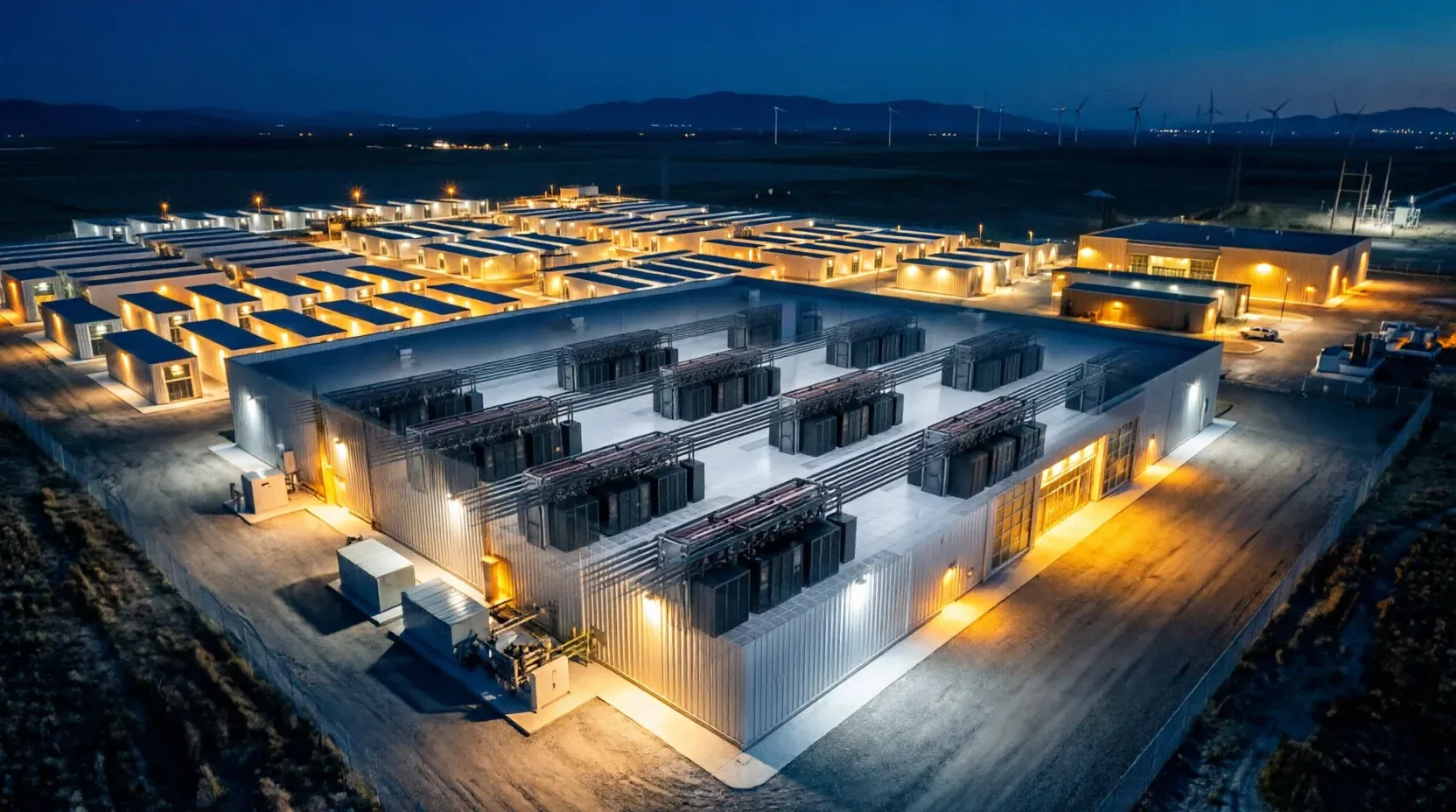
DG Matrix is attempting to resolve the growing tension between legacy electrical infrastructure and the massive power demands of next-generation AI compute. By introducing the Interport 360 Flex, the company is positioning a modular, skid-mounted power solution designed to bridge the gap between existing AC-distributed facilities and the high-density 800 VDC architecture required by NVIDIA MGX-based AI factories. This strategic move aims to prevent existing land and shell investments from becoming stranded assets as operators transition to more intensive GPU-driven workloads. The announcement, made at the OCP Global Summit in San Jose, centers on a software-defined power fabric that integrates conversion, storage, and control into a single, scalable deployment model for modular datacenters.
Modular Scaling via Interport SST Cells
The core of this new deployment model is the Interport SST Cell, a modular, galvanically isolated, multi-port power-conversion building block. DG Matrix is utilizing silicon-carbide power semiconductors and liquid cooling within these cells to manage the high density required by accelerated computing racks. These individual cells are designed to scale incrementally, allowing operators to build out the complete Interport 360 Flex system by paralleling cells as capacity requirements grow. The system is capable of taking in 34.5 kVAC medium- or low-voltage power from existing sites and converting it directly to native 800 VDC for the white space.
To manage this hardware, the company is deploying Interport OS, a real-time software layer intended to transform a collection of converters into a single, programmable power fabric. According to the company, this operating layer coordinates power-routing across cells, ports, and storage sources within sub-millisecond timescales. Interport OS is intended to consolidate several traditionally discrete functions—including UPS functionality, voltage and frequency ride-through, and microgrid control—into a single software-defined stage. This approach seeks to address the rapid, cluster-wide fluctuations in power demand that occur as GPUs shift between computing and communication tasks within MGX-compatible architectures.
Integration with NVIDIA MGX and 800 VDC
DG Matrix is aligning its hardware roadmap with the NVIDIA MGX modular reference architecture to provide a standardized power path that mirrors the modularity of modern server deployments. The Interport SST Cell is currently featured on the NVIDIA MGX AI Factory wall at the OCP Global Summit, signaling its role as a recognized component within the NVIDIA 800 VDC ecosystem. This architecture is designed to reduce conversion stages and move direct-current power closer to the rack, supporting the higher-density requirements of modern AI workloads.
The company's strategy focuses on the economic reality of existing datacenter footprints. Rather than requiring a complete re-engineering of AC-distributed facilities, the Interport 360 Flex is designed as an outdoor grey-space skid that accepts current AC inputs while delivering 800 VDC to high-density compute racks. This capability is intended to allow hyperscale, neocloud, and colocation operators to bring AI capacity online more rapidly. By providing a path to 800 VDC that utilizes existing land and power investments, DG Matrix is targeting a market where SemiAnalysis projects approximately 39 gigawatts of incremental AI datacenter capacity will be served by 800 VDC architecture by 2030.
Key Takeaways
- The Interport 360 Flex is a skid-mounted power solution that converts existing AC power to native 800 VDC to support NVIDIA MGX architectures.
- Interport OS provides real-time software control, managing power routing and smoothing AI workload demand fluctuations within sub-millisecond timescales.
- The system utilizes Interport SST Cells built on silicon-carbide semiconductors and liquid cooling to enable modular, scalable power expansion.
TechInsyte's Take
In our view, DG Matrix is making a calculated bet that the primary bottleneck for AI scaling is no longer just chip availability, but the physical ability to deliver stable, high-density power to the rack. By framing their Interport 360 Flex as a "bridge" for legacy AC sites, they are directly addressing the massive capital expenditure risks faced by datacenter operators who fear their current infrastructure will be rendered obsolete by the 800 VDC shift. The integration of Interport OS is particularly significant; it suggests that the future of power infrastructure is moving away from discrete, hardware-heavy electrical rooms toward software-defined, programmable fabrics. If DG Matrix can successfully prove that sub-millisecond software control can effectively manage the volatile "pulse loads" of high-end GPUs, they may well define the standard for how modular AI factories are powered globally.
Questions & Answers
How does the Interport 360 Flex prevent existing datacenter investments from becoming "stranded"?
The system is designed to accept the medium- or low-voltage AC power that existing sites already possess and convert it to native 800 VDC. This allows operators to deploy high-density AI compute racks without needing to completely re-engineer their existing land, power, and facility shells for DC distribution.
What role does Interport OS play in managing AI workload volatility?
Interport OS acts as a real-time operating layer that coordinates power routing across cells and storage sources within sub-millisecond timescales. This is intended to smooth the rapid changes in power demand that occur when GPUs move between different computing and communication states.
What is the technical significance of the Interport SST Cell's construction?
The cells are built using silicon-carbide power semiconductors and incorporate liquid cooling. This specific hardware configuration is designed to handle the higher power densities required by accelerated computing racks within the NVIDIA MGX and 800 VDC architectures.
How does the modularity of the Interport platform support scaling?
The platform uses the Interport SST Cell as a single building block. These cells can be paralleled within the Interport 360 Flex skid-mounted system, allowing operators to scale their power capacity incrementally as their compute requirements grow.
Source: DG Matrix