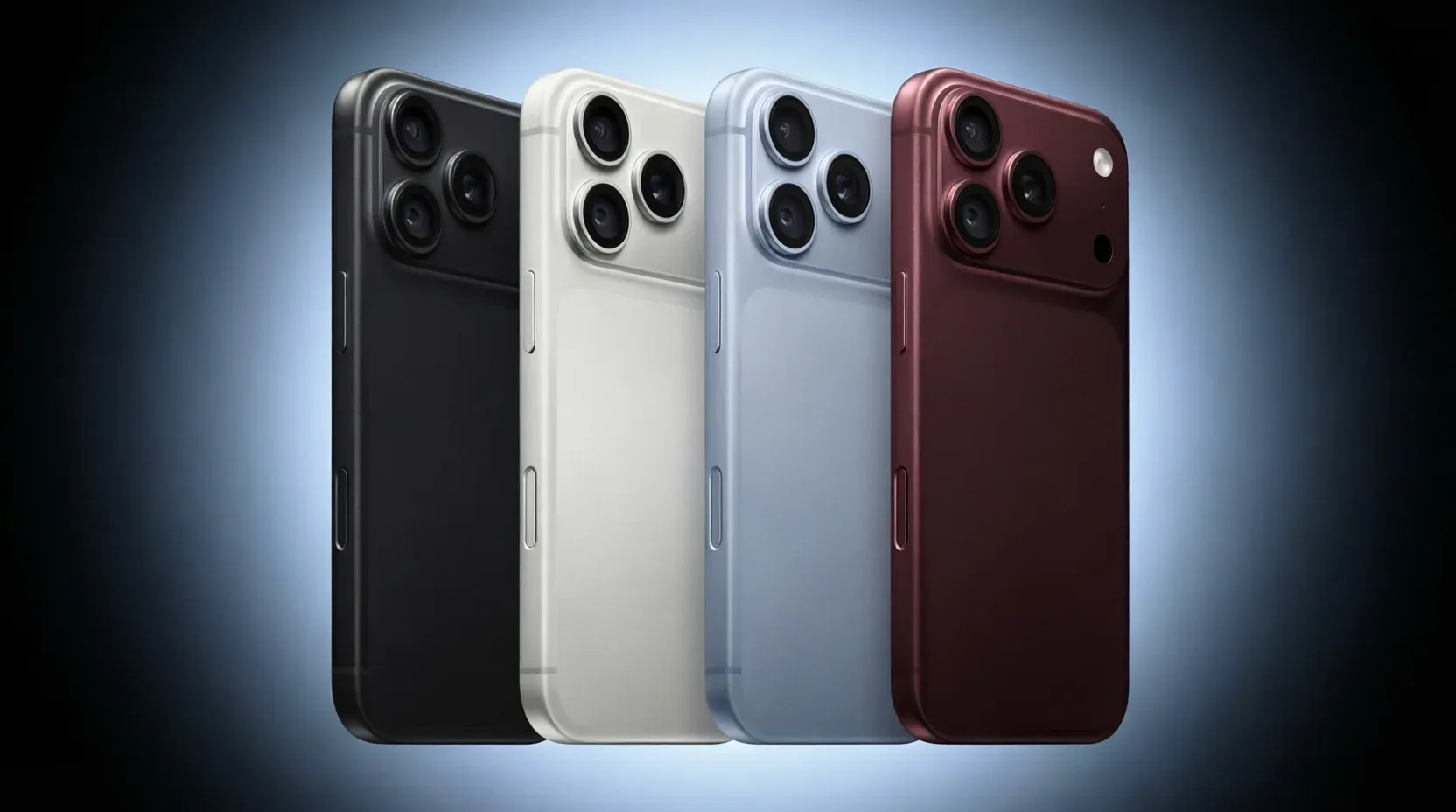
Apple is pivoting its mobile hardware strategy toward deep integration of generative AI and advanced optical physics with the announcement of the iPhone 18 Pro and iPhone 18 Pro Max. By introducing the A20 Pro chip and a variable aperture camera system, the company is attempting to move beyond incremental hardware updates to establish a more sophisticated, AI-driven personal computing hub. The new lineup, which features the 2-nanometer A20 Pro silicon and the new Siri AI, aims to address the growing enterprise and professional demand for high-performance on-device processing and verifiable digital authenticity. This release marks a significant shift in how Apple balances high-end computational photography with the heavy thermal and power requirements of localized artificial intelligence.
A20 Pro Silicon and Advanced Thermal Management
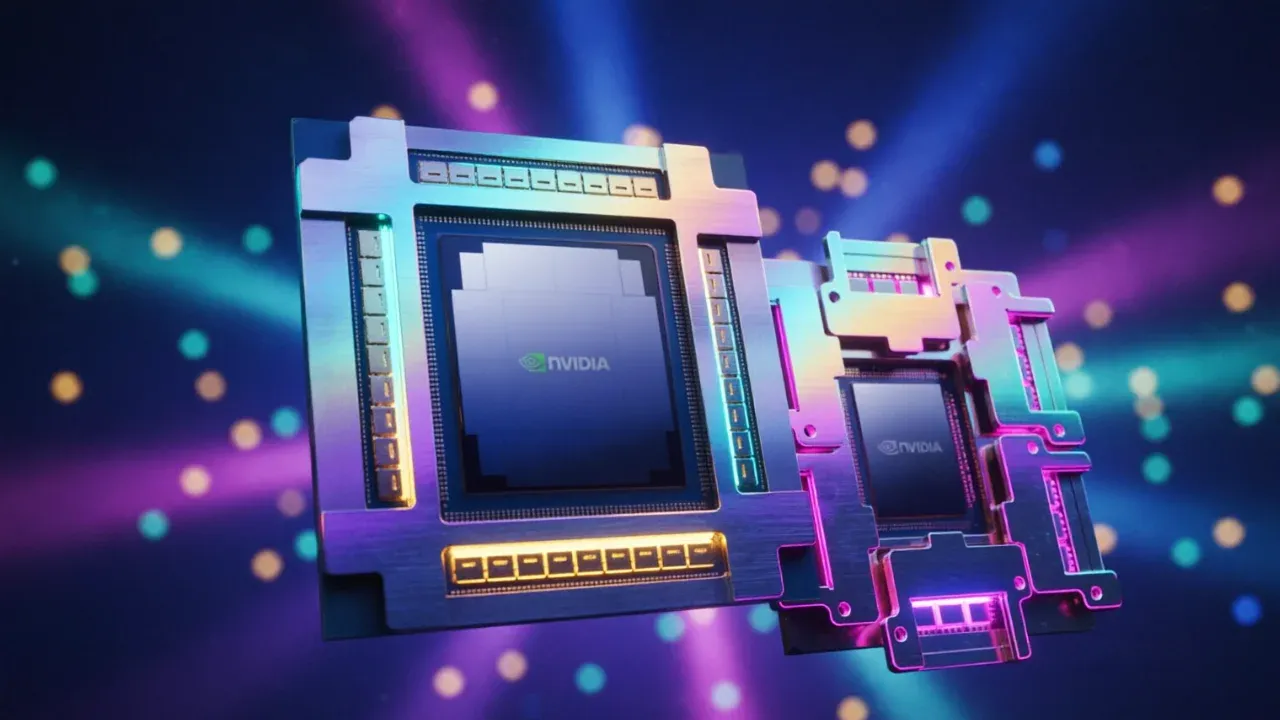
The core of the iPhone 18 Pro architecture is the A20 Pro chip, built on a 2-nanometer process. This silicon features a 6-core CPU and a 7-core GPU that Apple claims is up to 40 percent faster than the previous A19 Pro. To support intensive AI workloads, the chip includes a Dual 16-core Neural Engine, providing 32 total cores—double the AI processing power of the A19 Pro. Furthermore, the A20 Pro provides 50 percent more memory bandwidth than its predecessor, a critical metric for handling large language models and complex computational imaging pipelines.
To manage the heat generated by these high-performance components, Apple has implemented a redesigned thermal management system. This system utilizes custom packaging inspired by M-series silicon, placing the silicon die side-by-side with the memory to remove the memory from the chip's thermal path. This allows the A20 Pro to attach directly to a next-generation vapor chamber. This redesigned chamber features three times more surface area than the vapor chamber in the iPhone 17 Pro, which the company says enables up to a 40 percent gain in sustained performance.
The hardware is further supported by the N1 wireless networking chip, enabling Wi-Fi 7, Bluetooth 6, and Thread. Additionally, the iPhone 18 Pro introduces the C2 cellular modem system, which Apple states delivers faster uploads and consumes 15 percent less energy than the C1X system while supporting mmWave in the U.S.
Variable Aperture and Digital Authenticity via Apple Reference Image
Apple is introducing significant changes to its optical hardware, most notably a 48MP Fusion Main camera equipped with variable aperture. This system uses six laser-cut blades to transition between different apertures, allowing for manual or automatic adjustments to depth of field and lighting. For professional users, the Camera app now includes Pro controls to manually adjust lens aperture, shutter speed, and white balance, alongside a histogram for exposure monitoring.
Beyond hardware, Apple is addressing the challenge of digital misinformation through a new feature called Apple Reference Image. This technology leverages the new sensor's ability to "sign" every pixel it captures. When used in Reference mode, the camera captures signed sensor data that Private Cloud Compute transforms into an unalterable reference image. This allows users to compare the original sensor data against an edited version in the Photos app, acting as a digital negative to verify authenticity. This feature is intended to assist photojournalists and creators in proving the integrity of their visual assets.
The company is also integrating metadata and upcoming support for the SynthID standard to help identify images that have been generated or edited with AI. This multifaceted approach to image authenticity suggests Apple is positioning the iPhone 18 Pro as a tool for secure, verifiable content creation in an era of increasing synthetic media.
Key Takeaways
- The A20 Pro chip utilizes a 2-nanometer process and features 32 total neural engine cores, doubling the AI processing power of the A19 Pro.
- The new 48MP Fusion Main camera introduces variable aperture technology via six laser-cut blades for manual and automatic depth-of-field control.
- iPhone 18 Pro Max eSIM-only models offer up to 45 hours of video playback, leveraging increased internal space for a larger battery.
TechInsyte's Take
In our view, the iPhone 18 Pro represents Apple's definitive move to solve the "thermal bottleneck" that has long constrained mobile AI. By adopting M-series-inspired packaging and a significantly larger vapor chamber, Apple is acknowledging that true on-device generative AI cannot exist without aggressive thermal management. This isn't just about faster speeds; it is about the ability to maintain those speeds during sustained, complex tasks like real-time AI processing or high-end video rendering.
Furthermore, the introduction of Apple Reference Image is a calculated strategic move into the realm of digital trust. As generative AI makes visual forgery easier, Apple is attempting to bake "verifiability" into the hardware layer itself. By signing pixels at the sensor level, they are moving the battle for authenticity from software-based detection to hardware-based proof. This could provide a significant competitive advantage in professional and journalistic sectors, where the provenance of an image is as important as its quality.
Questions & Answers
How does the new thermal architecture impact sustained professional workloads?
The new system uses custom packaging to place the silicon die side-by-side with the memory, removing the memory from the chip's thermal path. This allows the A20 Pro to connect directly to a next-generation vapor chamber with three times the surface area of the iPhone 17 Pro, which Apple claims enables a 40 percent gain in sustained performance.
What specific hardware improvements support the new Siri AI and Apple Intelligence?
The A20 Pro chip features a Dual 16-core Neural Engine with 32 total cores, which provides double the AI processing power of the A19 Pro. Additionally, the chip offers 50 percent more memory bandwidth, which is essential for the high-speed data movement required by advanced on-device AI models.
How does Apple intend to combat AI-generated image misinformation?
Apple is implementing a multifaceted approach including Apple Reference Image, which uses the camera sensor to sign every pixel to create an unalterable reference image via Private Cloud Compute. The company is also integrating image metadata and upcoming support for the SynthID standard to help users identify AI-generated or edited content.
What are the battery life implications of the shift to eSIM-only models?
eSIM-only models allow Apple to utilize the physical space previously occupied by a SIM card to house a larger battery. For the iPhone 18 Pro Max, this results in up to 45 hours of video playback, which the company describes as the largest increase in battery life ever on an iPhone.
Source: Businesswire