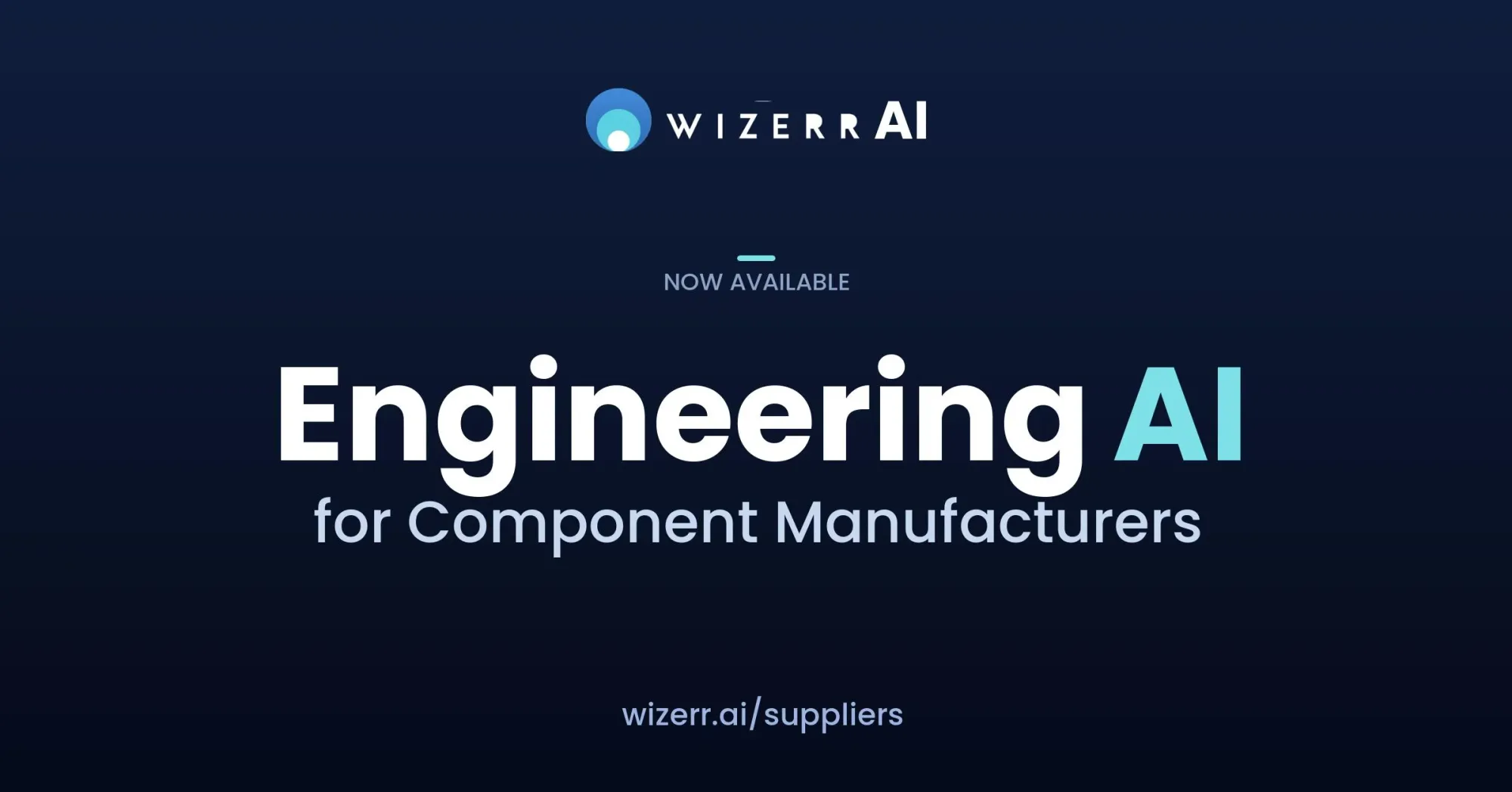
Wizerr AI is attempting to bridge the technical intelligence gap between component manufacturers and the engineers who design hardware. By expanding its ELX component intelligence engine to the supplier side, the company aims to automate the complex reasoning required for part selection and cross-referencing. This move targets the friction inherent in traditional Field Application Engineer (FAE) workflows and static datasheet reviews. The expansion introduces Engineering AI for internal sales teams and a Decision API designed to integrate technical reasoning directly into manufacturer websites to capture design-ins faster.
ELX Engine Deployment for FAE and Web Integration
The expansion introduces two primary technical capabilities to the component manufacturing sector. First, the company is providing Engineering AI specifically for Field Application Engineer (FAE) and sales engineering teams. This tool is designed to reason across electrical characteristics, pinouts, operating conditions, and component families to answer deep technical queries in minutes. By automating the manual cross-referencing of datasheets and application notes, the company suggests FAE teams can prioritize higher-value engagements.
Second, Wizerr is launching a Decision API to embed this reasoning capability into manufacturer digital platforms. This allows engineers researching parts on a manufacturer's website to access cross-references and compatibility evaluations without relying on manual PDF reviews or parametric searches. Lumissil Microsystems, an analog and mixed-signal IC manufacturer, is already utilizing the Decision API to provide engineers with scored cross-reference answers directly through its website, aiming to deliver technical intelligence at the point of evaluation.
Bridging the OEM and Manufacturer Intelligence Gap
Wizerr is positioning its ELX engine as a common intelligence layer that serves both sides of the hardware development market. While the engine was previously utilized by Original Equipment Manufacturers (OEMs) and Original Design Manufacturers (ODMs) to select components or find alternatives, the new offering allows manufacturers to use that same reasoning to win design-in opportunities. This creates a unified technical language between the entity supplying the part and the entity designing the hardware.
The company's strategy addresses the limitations of fragmented datasheets and the inability of human FAE teams to scale with every engineer evaluating a component. By providing the same intelligence used for component selection to the manufacturers themselves, Wizerr aims to reduce the time required to answer critical questions regarding voltage, temperature, load, and pin compatibility. This approach seeks to prevent lost design-in opportunities that occur when technical questions remain unanswered during the initial research phase.
Key Takeaways
- Wizerr AI has expanded its ELX component intelligence engine to include Engineering AI for FAE teams and a Decision API for manufacturer websites.
- Lumissil Microsystems is currently using the Decision API to provide engineers with scored component cross-references directly on its website.
- The ELX engine enables reasoning across datasheets, electrical characteristics, pinouts, and operating conditions to facilitate component selection and evaluation.
TechInsyte's Take
In our view, Wizerr is moving to capture the "decision infrastructure" layer of the hardware supply chain by standardizing how technical data is interpreted. By deploying the same engine to both OEMs and manufacturers, they are creating a closed-loop intelligence system that reduces the information asymmetry that typically plagues component selection. This is a strategic play to move beyond simple parametric search and into the realm of automated engineering judgment. If successful, this could fundamentally change how manufacturers compete for sockets, shifting the advantage from those with the largest FAE headcount to those with the most integrated, accessible technical intelligence.
Questions & Answers
How does the Decision API change the engineer's research workflow on manufacturer websites?
The Decision API allows engineers to move beyond static PDF datasheets and basic parametric searches by providing real-time, engineering-grade answers and scored cross-references directly within the manufacturer's digital experience.
What specific technical data points does the ELX engine use for its reasoning?
The engine reasons across a variety of technical specifications, including electrical characteristics, pinouts, operating conditions, component families, packages, and lifecycle data to evaluate component performance and compatibility.
How does the Engineering AI tool assist Field Application Engineer (FAE) teams?
It automates the manual process of working through datasheets, curves, and application notes, allowing FAE teams to answer complex questions about part alternatives and performance under specific conditions in minutes rather than days.
Who is the primary target audience for Wizerr's new supplier-side offering?
The offering is specifically designed for component manufacturers, distributors, and manufacturer representatives looking to accelerate design-ins and provide technical intelligence to engineers.
Source: Businesswire