In an era where the rapid scaling of artificial intelligence is often throttled by physical infrastructure constraints, Supermicro Computer, Inc. has announced a strategic expansion of its Data Center Building Block Solutions (DCBBS). The company is introducing a comprehensive portfolio of purpose-built, high-density racks specifically engineered for mission-critical AI data center deployments. By shifting the focus from individual server components to fully integrated, factory-pre-assembled modular designs, Supermicro aims to drastically reduce "Time-to-Online" (TTO) for enterprise customers facing the complexities of modern GPU-accelerated environments.
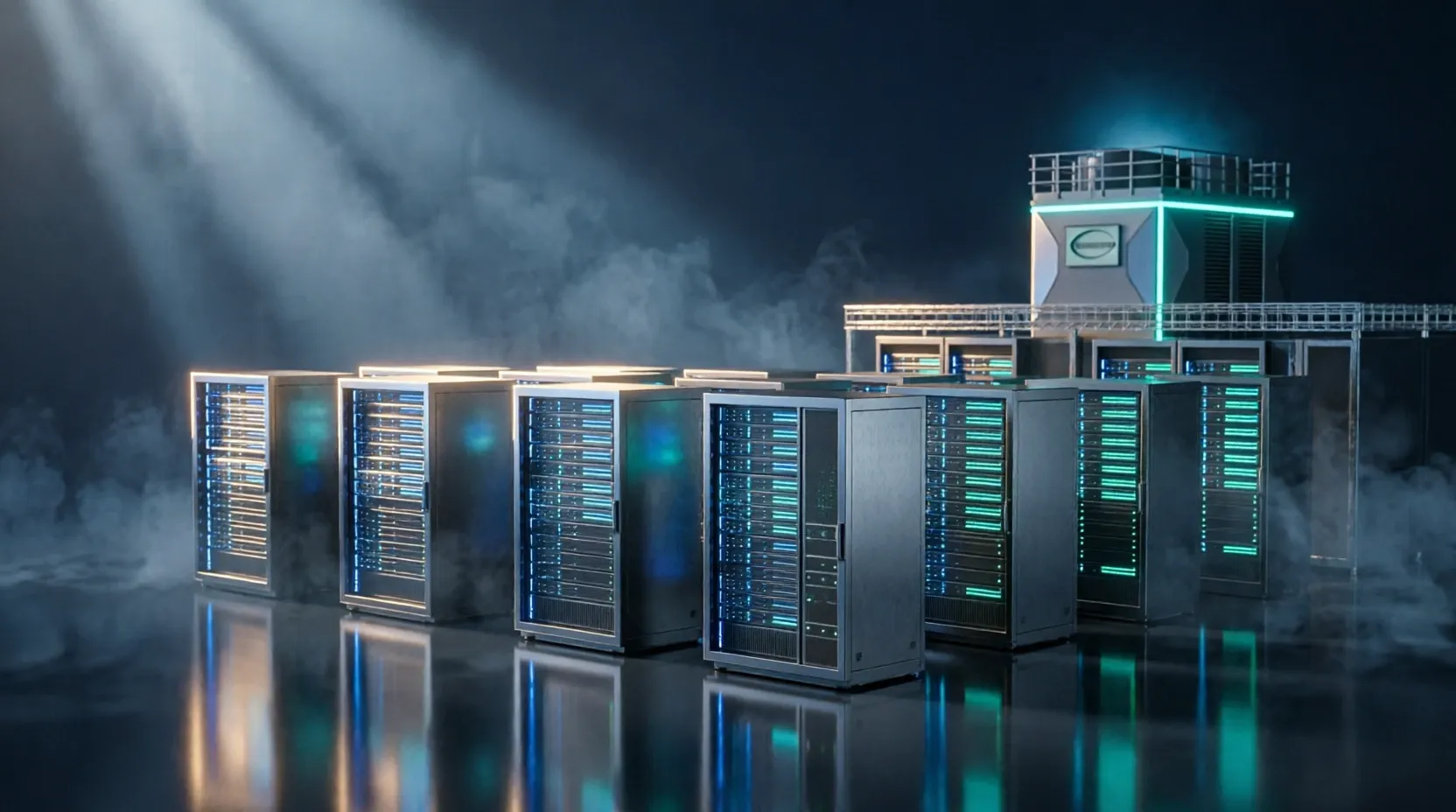
This expansion is backed by a massive increase in manufacturing throughput. Supermicro has demonstrated the capability to deliver up to 3,000 advanced racks per month on a global scale. This industrial capacity is designed to meet the surging demand for high-compute-density infrastructure, providing the structural and thermal foundation required for the next generation of complex liquid-cooling architectures and massive AI clusters.
Scalable Manufacturing and Diverse Platform Architectures
To facilitate seamless integration into existing and new data center environments, Supermicro’s new rack series offers unparalleled flexibility. The company provides ten distinct rack models, spanning various configurations including 44OU, 48U, 48OU, and 52U. This variety is intended to allow for same-day data center integration, minimizing the traditional delays associated with on-site assembly and configuration.
The scale of this rollout is supported by a robust global manufacturing footprint. Utilizing facilities located in Silicon Valley, the Netherlands, and Taiwan, Supermicro can supply up to 3,000 racks monthly. Notably, this production capacity includes 2,000 liquid-cooled units available for immediate deployment, addressing one of the most significant bottlenecks in the current AI hardware lifecycle.
The portfolio is strategically categorized into three primary platforms to accommodate diverse architectural requirements:
- The NVIDIA Vera Rubin/GB300 Platform (MGX): This platform offers 48U and 52U racks in both 750mm and 600mm widths, featuring integrated busbars to streamline power distribution.
- The Open Compute Project (OCP) ORv3 Platform: Designed for adherence to OCP standards, this platform provides 44OU and 48OU 21-inch racks with integrated busbars.
- The EIA Standard Platform: This category includes traditional 48U and 52U 19-inch racks.
By leveraging the ORv3 standard, Supermicro simplifies the integration of liquid cooling technologies, a move the company claims will significantly reduce the Total Cost of Ownership (TCO) for operators. To ensure reliability during transit, all units are delivered in specialized shock and vibration-tested crates, ensuring they are validated and ready to power on immediately upon arrival at the customer site.
Engineering for Extreme Density and Thermal Management
As GPU-accelerated systems become increasingly dense, the physical weight and thermal output of the hardware have reached unprecedented levels. Supermicro has addressed these challenges through advanced mechanical engineering, developing a reinforced chassis with a certified static load capacity of up to 5,500 lb (2,500 kg). This capacity significantly exceeds standard industry benchmarks, providing the structural integrity necessary to support the massive weight of fully populated AI racks in mission-critical environments.
Beyond structural strength, the hardware is built to withstand environmental stressors. The racks undergo rigorous quality assurance protocols, including seismic and vibration qualification via GR-63-CORE Zone 4 testing. This ensures that the infrastructure remains stable and operational even under intense physical or operational stress.
Thermal management is equally prioritized. The rack designs are optimized for effortless integration with a wide array of liquid cooling components, including in-rack and in-row Coolant Distribution Units (CDUs), sidecars, rear-door heat exchangers (RDHx), and liquid cooling manifolds. To maintain high operational efficiency and ease of service, Supermicro has implemented dedicated, clearly separated pathways for coolant supply and return lines. This architectural choice ensures that coolant routing is optimized while maintaining complete isolation between liquid lines and power or network cabling, thereby preventing signal interference and potential leaks.
Key Takeaways
- Global Manufacturing Scale: Supermicro can deliver up to 3,000 advanced racks per month, including 2,000 liquid-cooled models, via facilities in the US, the Netherlands, and Taiwan.
- Structural Integrity: The engineered racks feature a certified static load capacity of up to 5,500 lb (2,500 kg) to support high-density GPU-accelerated systems.
- Platform Versatility: The portfolio includes specific support for the NVIDIA Vera Rubin/GB300 Platform (MGX) with 48U and 52U configurations.
TechInsyte's Take
In our view, Supermicro’s expansion of its DCBBS portfolio signals a strategic shift toward addressing the physical infrastructure bottlenecks that often delay AI scaling. By moving beyond individual server components to provide fully integrated, factory-assembled rack-scale solutions, Supermicro is targeting the critical "Time-to-Online" metric that enterprise CIOs prioritize.
The emphasis on high static load capacities and GR-63-CORE Zone 4 testing suggests a deep understanding that AI hardware is significantly heavier and more sensitive to environmental stress than traditional compute. Furthermore, the ability to manufacture 2,000 liquid-cooled racks monthly positions Supermicro to capture significant market share as data centers transition from air-cooled to liquid-cooled architectures. This move effectively transforms the rack from a passive enclosure into an active, engineered component of the AI compute stack, directly addressing the complexities of high-density power and thermal management.
Source: PRNEWSWIRE