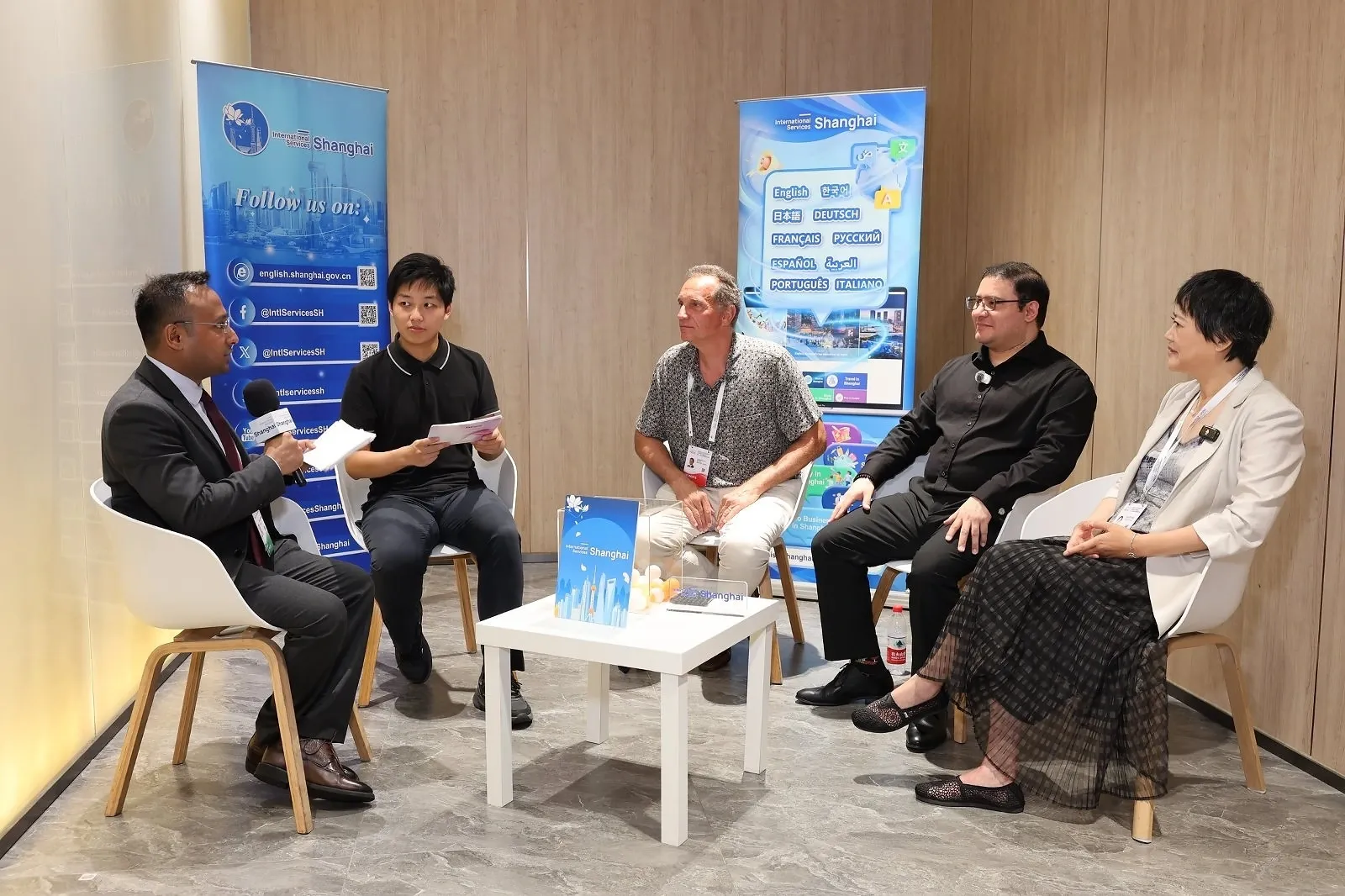
The 2026 World Artificial Intelligence Conference (WAIC) and the High-Level Meeting on Global AI Governance, held in Shanghai from July 17 to 20, highlighted the city's emergence as a strategic hub for AI incubation. The event featured the "WAIC UP! 2026 Youth Dialogue," organized by China Daily's Business Development Department and International Services Shanghai, which gathered international entrepreneurs and experts to evaluate the conditions enabling AI innovation. For B2B decision-makers and infrastructure leaders, the event signaled Shanghai's shift toward building a comprehensive environment that integrates talent access, investor networks, and policy support to facilitate cross-border collaboration and the scaling of AI-driven enterprises.
WAIC 2026 Demonstrations and AI Adoption Trends
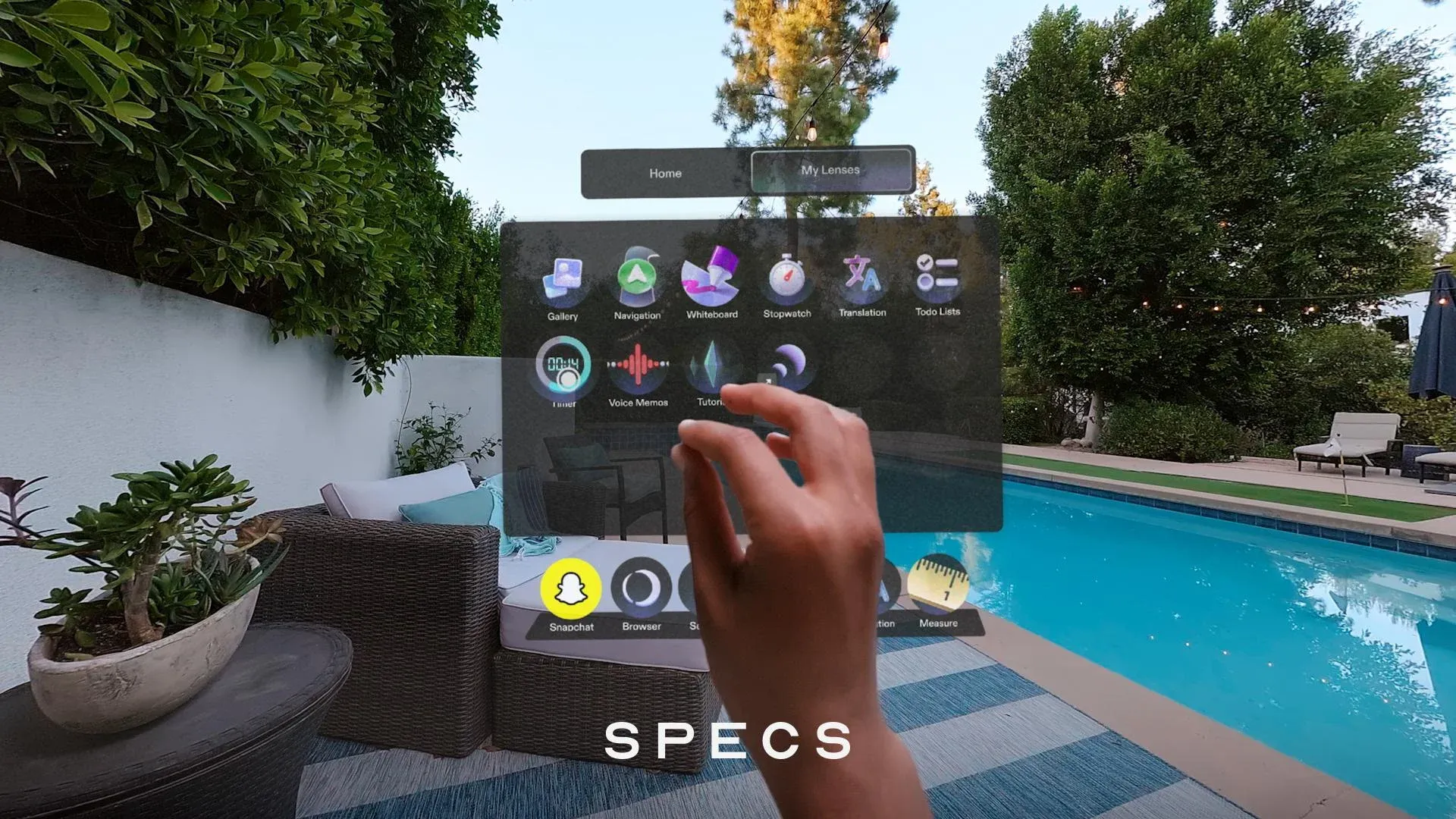
The conference showcased practical AI applications designed to remove professional and linguistic barriers. Bill Reichert, a partner at Pegasus Tech Ventures, highlighted AR glasses providing real-time Chinese-English subtitles as a primary example of technology capable of flattening global connectivity. This focus on dismantling cultural and professional friction is a core component of the Shanghai ecosystem's strategy to attract global talent. Beyond translation, the event revealed a high regional appetite for experimentation and adoption. Gary Dvorchak, managing director of The Blueshirt Group, noted that AI has already reduced costs and accelerated workflows within his industry, observing a distinct lack of fear regarding AI integration among local exhibitors and entrepreneurs.
The application of AI extended into specialized professional services and creative fields. Tong Huiqi, a clinical professor at Stanford School of Medicine, demonstrated the use of AI-assisted documentation systems to eliminate manual note-taking during consultations, allowing for increased patient connection. Similarly, conductor Edwin Montealegre utilizes AI as a brainstorming collaborator to allocate more time to artistic inspiration. These use cases suggest a trend toward AI as a functional enabler that handles administrative or preparatory tasks, freeing human operators for high-value interaction. The conference also featured a range of business scales, from one-person companies leveraging AI tools to enterprises applying AI to traditional sectors like minerals and metals analysis.
Shanghai Infrastructure and Global Talent Incubation
Beyond the software, the city is positioning itself as an incubator by integrating practical support systems with industrial resources. Edwin Montealegre cited International Services Shanghai as a critical platform for expatriates to resolve bureaucratic hurdles when establishing companies. This infrastructure is designed to help international professionals navigate the complexities of business and daily life in the city. Rupert Hoogewerf, chairman of Hurun Inc, identified four key pillars that support the local ecosystem: universities, a deep talent pool, an established investor community, and existing companies. These elements allow startups to launch and scale more effectively within the region.
The city's strategy includes specific policy support for overseas returnees to strengthen the talent pipeline. Hoogewerf, who founded his business in Shanghai in 1999, noted that the ability to draw on a deep talent pool is a primary driver for long-term business retention. He characterized the city as a convergence point where capital, policy resources, and established businesses meet. According to Hoogewerf, the government is actively encouraging young people to explore and improve AI technologies. This combination of government encouragement and practical infrastructure is intended to create an environment where global talent can create and thrive without the typical friction associated with cross-border business operations. The company did not disclose further details regarding specific policy names or financial incentives.
Key Takeaways
- The 2026 WAIC took place in Shanghai from July 17 to 20, featuring the "WAIC UP! 2026 Youth Dialogue" to discuss AI innovation and governance.
- Shanghai's ecosystem relies on a combination of universities, investor networks, and the International Services Shanghai platform to support expatriate business establishment.
- AI applications demonstrated at the event ranged from real-time AR translation and medical documentation to industrial analysis in the metals and minerals sector.
TechInsyte's Take
In our view, the 2026 WAIC reveals that Shanghai is competing for AI leadership not just through raw compute or algorithmic breakthroughs, but through "ecosystem engineering." By pairing high-tech demonstrations—like real-time AR translation—with pragmatic bureaucratic support via International Services Shanghai, the city is attempting to lower the "barrier to entry" for foreign B2B operators. This signals that the strategic battle for AI dominance is shifting toward the quality of the surrounding infrastructure. For CIOs and investors, the most relevant takeaway is the integration of AI into traditional sectors, such as minerals analysis, which suggests a move toward industrial AI maturity. We believe this holistic approach to talent retention and policy support positions Shanghai as a formidable incubation platform that views the removal of operational friction as a competitive advantage equal to the technology itself.
Source: PRNEWSWIRE