Nordic enterprises are fundamentally reshaping their private and hybrid cloud strategies to address the rising demands of AI-driven workloads. According to a new 2026 ISG Provider Lens report, decision-makers are moving away from viewing cloud as a simple capacity purchase. Instead, they are prioritizing infrastructure that integrates renewable energy, local data residency, and high-performance computing capabilities. This shift is driven by the need to balance large-scale AI operations with strict environmental commitments and increasing geopolitical risks regarding data sovereignty and regional security.
Nordic Shift Toward Sustainable and Sovereign Cloud
The Nordic region is transitioning from a mere hosting destination into a critical backbone for European data processing. Enterprises are increasingly leveraging the region's natural cooling and renewable energy resources to support high-performance workloads. Sustainability has moved beyond basic power usage effectiveness; companies now demand energy circularity, such as heat reuse in metropolitan areas like Stockholm and Helsinki, where data centers contribute to district heating systems. Simultaneously, digital sovereignty is a primary driver. Regulated sectors are seeking Nordic-only cloud instances to ensure sensitive data and operations remain within the European Economic Area. This focus on jurisdictional control helps mitigate concerns regarding international data access laws and regional security risks. As AI operations demand more energy and tighter governance, the preference is shifting toward hybrid environments that provide scalability without compromising environmental or sovereignty mandates.
AI Readiness and Infrastructure Management Trends
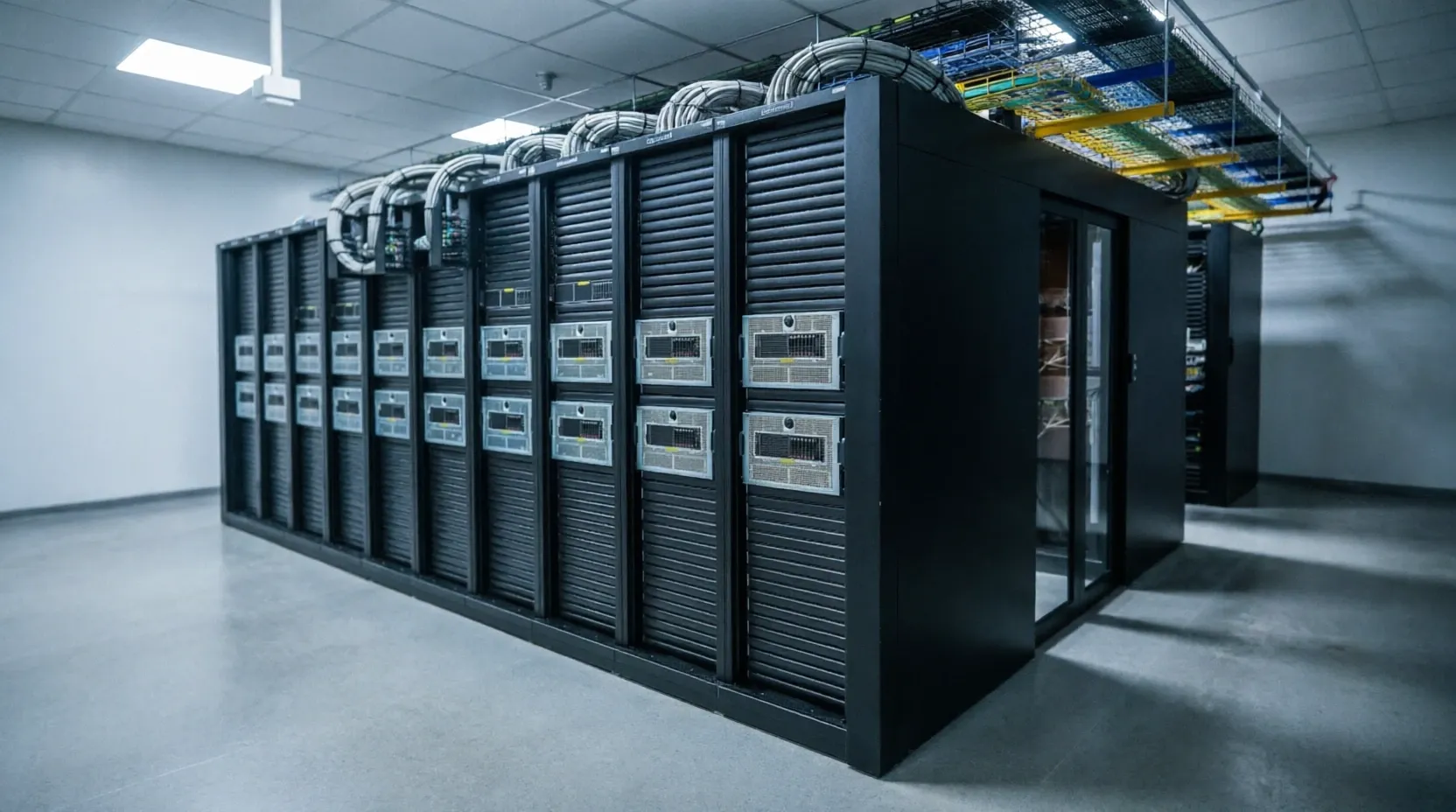
As generative AI moves from experimental pilots to industrial-scale operations, Nordic buyers are seeking providers capable of delivering measurable outcomes. The complexity of managing these new workloads is driving specific technological and operational shifts. To combat an ongoing regional talent shortage, enterprises are expected to increase the adoption of agentic AI for IT operations (AIOps) to automate processes and maximize team efficiency. Infrastructure management is also evolving through the use of liquid and immersion cooling in colocation services to handle high-density requirements. The ISG report evaluated 54 providers across four quadrants, including AI-ready Infrastructure Managed Services and Sustainable Colocation Services. Orange Business and Vivicta were named Leaders in three quadrants each, while Atea, Kyndryl, and Sopra Steria led in two. Additionally, CS Global IT was recognized as the global ISG CX Star Performer for 2026 based on customer satisfaction scores.
Key Takeaways
- Nordic enterprises are prioritizing energy circularity, such as heat reuse for district heating in Stockholm and Helsinki, to meet sustainability goals.
- Digital sovereignty requirements are driving demand for Nordic-only cloud instances to ensure data remains within the European Economic Area.
- A regional talent shortage is expected to accelerate the adoption of agentic AI for IT operations (AIOps) to automate complex infrastructure processes.
TechInsyte's Take
In our view, the Nordic market is establishing a new global blueprint for "responsible AI" infrastructure. By linking high-density computing needs directly to district heating and renewable grids, these firms are solving the energy paradox inherent in generative AI scaling. This signals that for enterprise buyers, the era of treating cloud as a commodity is ending; infrastructure is now a strategic lever for compliance and ESG performance. We believe the emphasis on "Nordic-only" instances will likely trigger a broader European trend where jurisdictional control becomes as critical a procurement metric as latency or raw compute power.
Source: Businesswire