Metropolitan Stock Exchange of India (MSE) announced that it will use NTT Global Data Centers’ Chandivali campus in Mumbai to host its next‑generation trading infrastructure. The deployment will deliver 6.4 MW of high‑density power, supporting ultra‑low‑latency, high‑availability services for multi‑asset trading across capital markets, derivatives and debt. The move is positioned as a core element of MSE’s strategic relaunch and technology roadmap.
MSE Selects NTT DATA’s Chandivali Data Center for Its Trading Platform
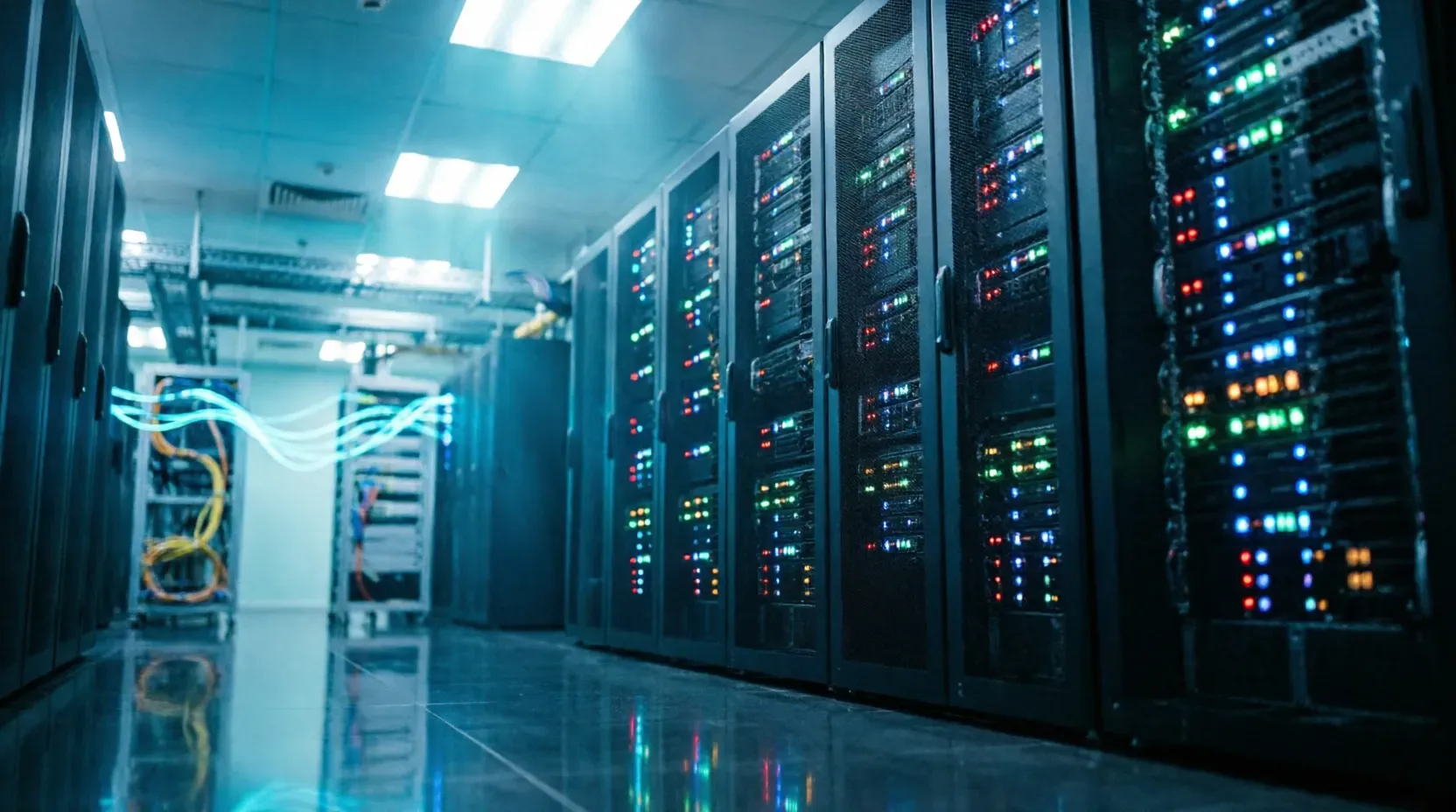
MSE, a SEBI‑recognized national stock exchange, has contracted NTT Global Data Centers to provide the physical infrastructure for its upgraded trading platform. The agreement specifies a 6.4 MW high‑density IT load capacity, with racks up to 52U and 17.2 kW per rack. The Chandivali campus, described as India’s largest operational data center park, offers a hyperscale‑ready environment, multiple fiber paths, and direct access to carriers, cloud providers, and other financial services firms.
Latika S Kundu, Managing Director & CEO of MSE, said the partnership “enables us to accelerate our technology roadmap, enhance market efficiency, and provide a robust platform for brokers, institutional participants and investors.” Vimal Kaw, Vice President and Country Managing Director for NTT Global Data Centers in India, highlighted the mission‑critical nature of stock‑exchange infrastructure and NTT’s role in supporting a “high‑performance, future‑ready trading platform.”
Integration Within India’s Evolving Capital‑Market Ecosystem
The Chandivali deployment aligns with broader trends in India’s capital markets, where speed, transparency, and fault‑tolerant infrastructure are increasingly demanded. By situating its hardware in a data‑center campus that integrates multiple locations across the Mumbai region, MSE gains resilience and business‑continuity capabilities. The architecture allows seamless scaling while meeting strict uptime and recovery requirements, which is essential for real‑time risk management and market‑data dissemination.
The proximity to a highly interconnected carrier ecosystem is intended to reduce latency for high‑frequency trading and market‑data feeds. NTT DATA’s ecosystem also supports advanced workloads such as algorithmic trading platforms and AI‑driven market surveillance, reflecting MSE’s aim to modernize its technology backbone for multi‑asset trading.
Operational Features Targeted at High‑Performance Trading
The high‑density environment at Chandivali supports 52U racks with up to 17.2 kW per rack, combined with advanced cooling technologies and optimized rack design. These specifications improve energy efficiency while providing capacity for next‑generation workloads, including advanced trading engines and AI‑based surveillance systems.
NTT Global Data Centers’ broader Mumbai ecosystem, which interlinks several data‑center sites, offers multiple fiber paths for resilient connectivity. This design is intended to meet the “ultra‑low‑latency trading, real‑time risk management and high availability” requirements cited by MSE. The partnership also aims to strengthen MSE’s ability to attract liquidity providers and expand participation across India’s capital markets.
Key Takeaways
- MSE will host its next‑generation trading platform at NTT Global Data Centers’ Chandivali campus, receiving 6.4 MW of high‑density power capacity.
- The Chandivali deployment supports 52U racks with up to 17.2 kW per rack and includes advanced cooling, targeting ultra‑low‑latency, high‑availability trading workloads.
- By leveraging the campus’s carrier‑rich ecosystem and multiple fiber paths, MSE aims to improve latency for high‑frequency trading and enhance market‑data dissemination.
TechInsyte's Take
The selection of a hyperscale‑ready data‑center campus underscores MSE’s focus on infrastructure that can sustain the latency and resilience demands of modern multi‑asset trading. While the announcement details capacity and design, it does not disclose timelines for migration or the specific technology stack to be deployed. CIOs and CTOs should monitor how the new environment impacts latency benchmarks and whether additional cloud or edge integrations are planned as part of MSE’s broader digital strategy.
Source: Businesswire