Lumen Technologies and Snowflake are attempting to solve the critical problem of data fragmentation that currently hinders enterprise AI scaling. By integrating Lumen’s programmable networking with the Snowflake AI Data Cloud, the companies aim to simplify how organizations move, control, and secure data across distributed environments. This strategic alignment targets the technical friction encountered when moving business-critical information between clouds, data centers, and physical enterprise locations, positioning the partnership as a method to bridge the gap between stranded data and actionable AI workloads.
Integrating Snowflake DCP with Lumen Infrastructure
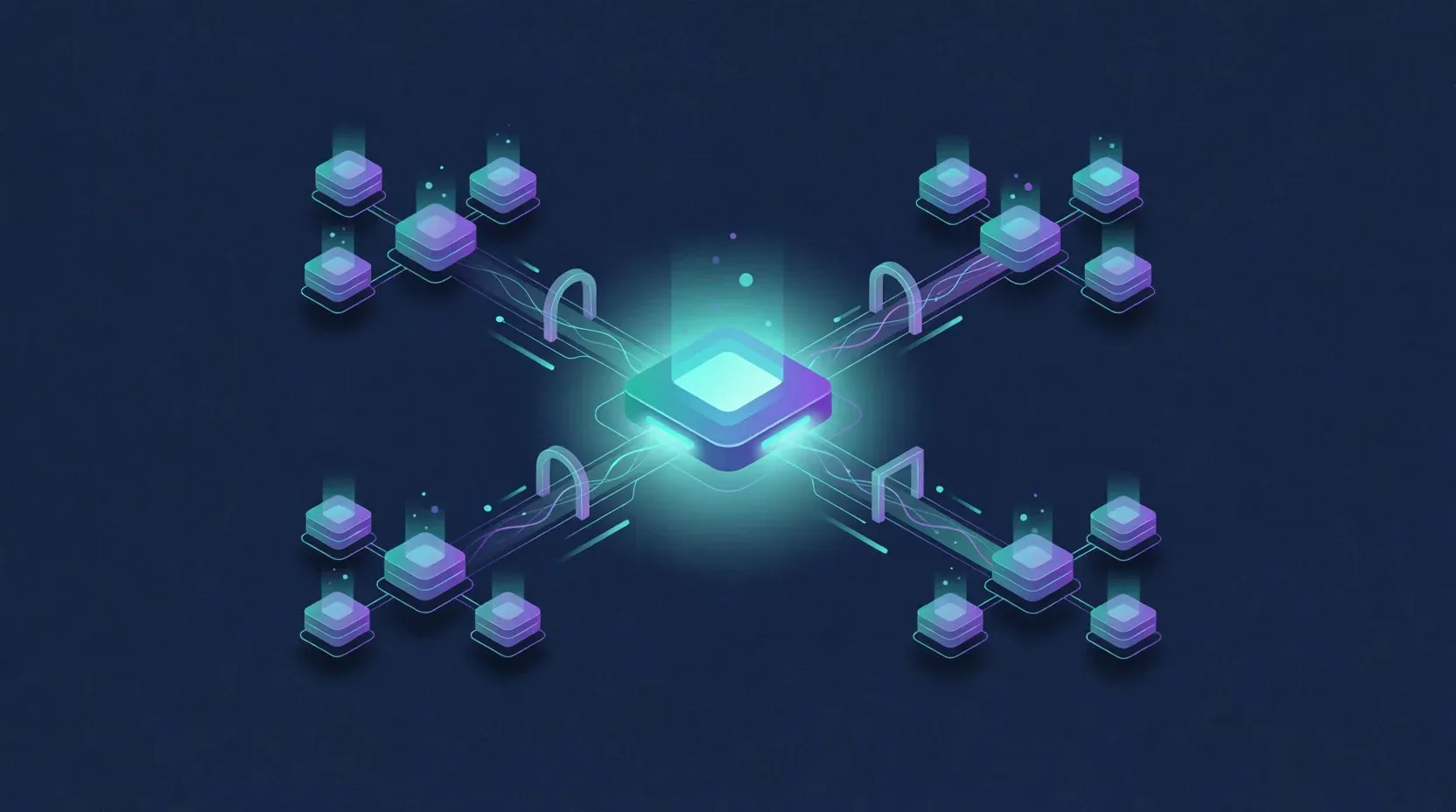
The collaboration centers on leveraging Snowflake’s Data Connectivity Proxy (DCP) as a secure connectivity layer. The companies intend to pre-install this proxy on Lumen infrastructure, allowing data to move specifically over Lumen’s private fiber networks. This approach is designed to address the struggle enterprises face when attempting to connect and move data securely across hybrid environments. By bringing the network and data layers closer together, the companies plan to make establishing and managing private connections more repeatable across the enterprise data ecosystem. This technical integration seeks to provide greater control over how workloads shift across various locations, data centers, and cloud environments, specifically for customers in highly regulated sectors.
Addressing Data Fragmentation for AI Readiness
Lumen and Snowflake are targeting a shared customer base within regulated industries, including financial services, healthcare, telecommunications, and the public sector. These sectors often deal with "stranded" data—information located in environments that the cloud cannot easily access. According to Snowflake’s Artin Avanes, the goal is to allow customers to bring their distributed data estates into Snowflake to create a more complete business view while maintaining strict governance and security requirements. Lumen is positioning its programmable network, which utilizes automation and orchestration, as the foundation for this connectivity. The companies believe that as AI drives increased data movement across clouds and distributed environments, the necessity for private, secure connectivity will become a core requirement of modern enterprise architecture.
Key Takeaways
- The partnership utilizes Snowflake’s Data Connectivity Proxy (DCP) pre-installed on Lumen infrastructure to facilitate movement over private fiber networks.
- The collaboration targets regulated industries, including healthcare, financial services, telecom, and the public sector, where security is a primary requirement.
- Lumen and Snowflake currently share hundreds of customers across their respective enterprise footprints.
TechInsyte's Take
In our view, this collaboration signals a shift toward "network-aware" data platforms. As enterprises move past the initial hype of generative AI, the primary bottleneck is no longer just model capability, but the physical and logical movement of high-quality, governed data. By embedding Snowflake’s connectivity proxy directly into Lumen’s programmable fiber network, the two companies are attempting to eliminate the latency and security risks inherent in traversing the public internet. This move suggests that for AI to be truly scalable in regulated environments, the distinction between the transport layer and the data layer must effectively disappear.
Questions & Answers
How does the integration of Snowflake's DCP change data movement for enterprises?
The integration allows Snowflake’s Data Connectivity Proxy to be pre-installed on Lumen infrastructure. This enables data to move over Lumen’s private fiber networks rather than relying on standard public paths, which is intended to simplify how data is connected, governed, and activated.
Which specific industries are the primary targets for this collaboration?
The partnership specifically highlights regulated industries where connectivity and security are paramount, including financial services, telecommunications, healthcare, and the public sector.
What technical problem is the Lumen and Snowflake partnership attempting to solve?
The companies are addressing data fragmentation, specifically the issue of data being "stranded" in locations—such as various clouds, data centers, or enterprise sites—that the cloud cannot easily or securely access for AI and analytics use cases.
What role does Lumen's programmable network play in this ecosystem?
Lumen’s programmable network provides the automation, orchestration, and control necessary to manage how data moves and how workloads shift across different locations and clouds, acting as the physical and digital foundation for the connectivity.
Source: Lumen