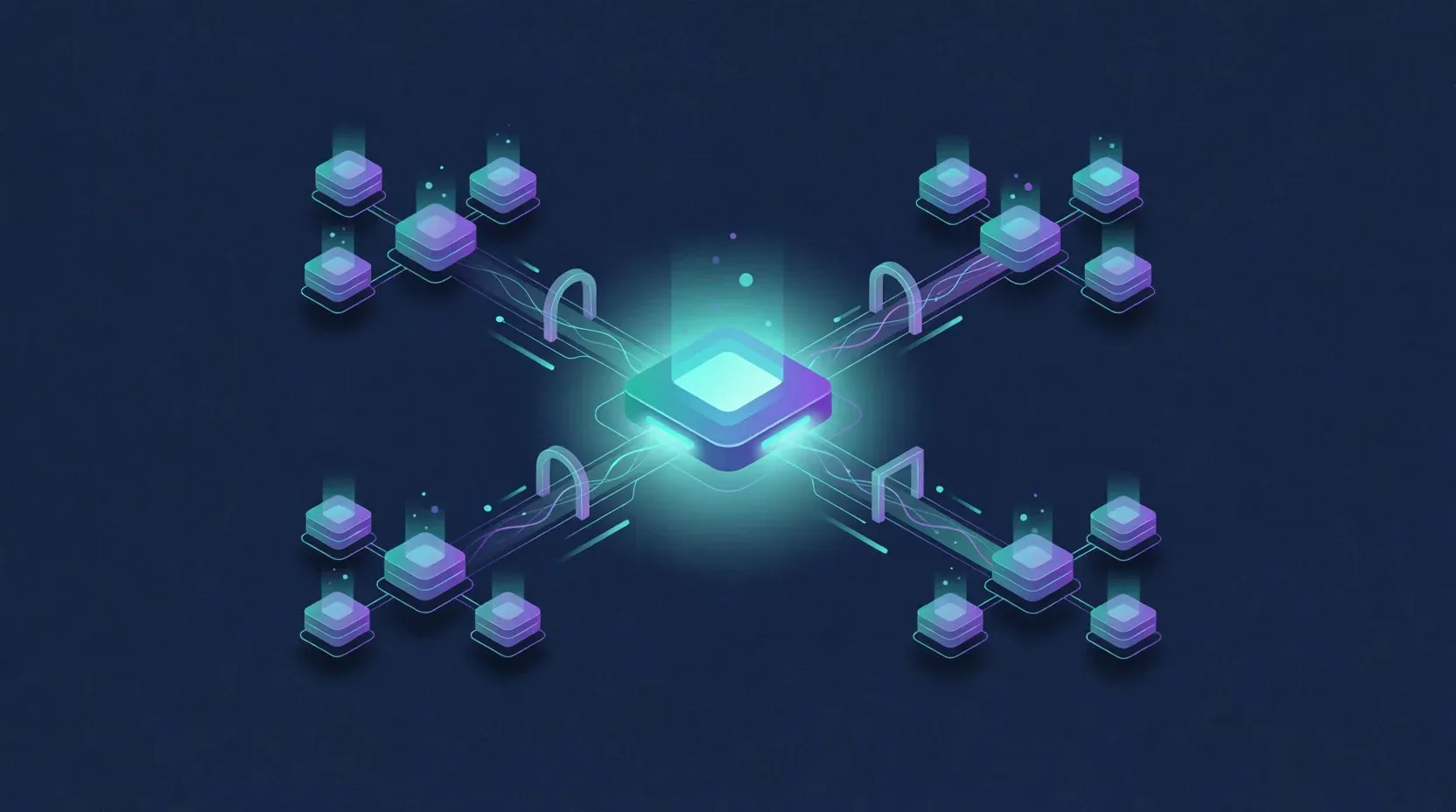
Incode Technologies is attempting to break the defensive silos that currently allow AI-driven fraud to scale across the financial and digital services sectors. By launching TrustGraph, the company is positioning a biometric-anchored, privacy-preserving trust network designed to detect "agentic fraud"—a category of attack Incode projects will account for 60% of all fraud attempts by the end of 2026. The platform aims to provide institutions with cross-network intelligence without requiring the pooling or exchange of sensitive customer data. During an early access program, Incode reported that institutions using TrustGraph detected up to 53% more fraud than they did using their existing standalone models.
Scaling Defenses Against Agentic Fraud Patterns
The strategic motivation behind TrustGraph centers on the rising sophistication of AI agents capable of building synthetic identities and forging documents at scale. Currently, most institutions operate in isolation, meaning a single AI agent attempting to open accounts at multiple banks in a single afternoon appears as a series of unrelated, legitimate applicants to each individual entity. Incode is positioning TrustGraph to transform these isolated attempts into actionable signals that can be shared across a peer-to-peer network. This approach is intended to expose fraud rings by linking seemingly unrelated applications that share specific device, document, or address details.
The technology is designed to function during critical touchpoints, including onboarding, login, or high-risk transactions, providing real-time signals even when bad actors attempt to use new names or devices. Beyond mere detection, the network is intended to recognize legitimate customers who have successfully verified their identity at other participating institutions. This creates a positive trust signal that could potentially allow companies to accept more legitimate customers with lower risk. By moving from siloed defenses to a networked intelligence model, Incode seeks to address the reality that modern fraud is inherently networked and operates across institutional boundaries.
Cryptographic Architecture and Privacy Preservation
To address the significant regulatory and security hurdles associated with data sharing, TrustGraph utilizes patented peer-to-peer cryptographic technology. This architecture is built to allow participating institutions, including direct competitors, to benefit from shared fraud and trust signals without ever exposing or exchanging actual customer records. The development of this technology follows Incode's June 2026 acquisition of Identiq, a firm specializing in cryptographic peer-to-peer identity validation. This integration aims to solve the "centralized target" problem, where traditional shared intelligence models create a single, massive data lake that serves as a primary target for attackers.
The technical core of the platform relies on secure multi-party computation (SMPC). This method compares one-time cryptographic material to identify matching signals between institutions without granting any participant access to another's database. Because the network is peer-to-peer, there is no central repository of customer records to breach. Crucially, TrustGraph is designed to act as an intelligence layer rather than a shared blacklist; the platform provides the signal, but individual institutions retain full autonomy to apply their own internal rules and decision-making logic to those signals. This ensures that while the intelligence is shared, the ultimate risk decision remains localized within the institution's own controlled environment.
Key Takeaways
- Incode projects that agentic fraud will represent 60% of all fraud attempts by the end of 2026.
- During early access testing, TrustGraph surfaced up to 53% more fraud than existing models used by institutions alone.
- The platform utilizes secure multi-party computation (SMPC) to match signals without pooling or exchanging customer records.
TechInsyte's Take
In our view, Incode is making a calculated bet that the "agentic era" will render traditional, perimeter-based identity verification obsolete. As AI agents automate the lifecycle of synthetic identity creation, the ability to defend a single silo becomes a losing proposition. By leveraging the acquisition of Identiq, Incode is not just launching a new product, but is attempting to establish the underlying "trust infrastructure" for a decentralized digital economy. The success of TrustGraph will likely depend on the speed of network effects; the more institutions—such as Canada's Interac—join the network, the more valuable the signals become. If Incode can successfully navigate the tension between high-fidelity fraud detection and strict global privacy mandates through its SMPC approach, it may move from being a mere verification vendor to becoming a critical utility in the global financial fabric.
Questions & Answers
How does TrustGraph mitigate the risk of a centralized data breach?
TrustGraph utilizes a peer-to-peer cryptographic architecture rather than a centralized data lake. By using secure multi-party computation (SMPC), the network compares one-time cryptographic material to identify matches without ever pooling, exchanging, or exposing actual customer records to a central repository or to other participating institutions.
What specific type of fraud is TrustGraph targeting for the 2026 landscape?
The platform is specifically designed to combat "agentic fraud," which Incode projects will constitute 60% of all fraud attempts by the end of 2026. This involves attackers using AI agents to automate the creation of synthetic identities, document forgery, and rapid-fire attempts across multiple institutions.
Can institutions maintain control over their own risk policies while using this network?
Yes. TrustGraph is positioned as a source of intelligence rather than a shared blacklist. While the network provides signals regarding repeat fraud or verified trust, each participating institution retains the autonomy to apply its own internal rules and decision-making logic to determine how to act on those signals.
What measurable improvement did the early access program demonstrate?
Incode reported that during the early access program, institutions utilizing TrustGraph were able to detect up to 53% more fraud than they could using their existing, standalone models.
Source: Incode