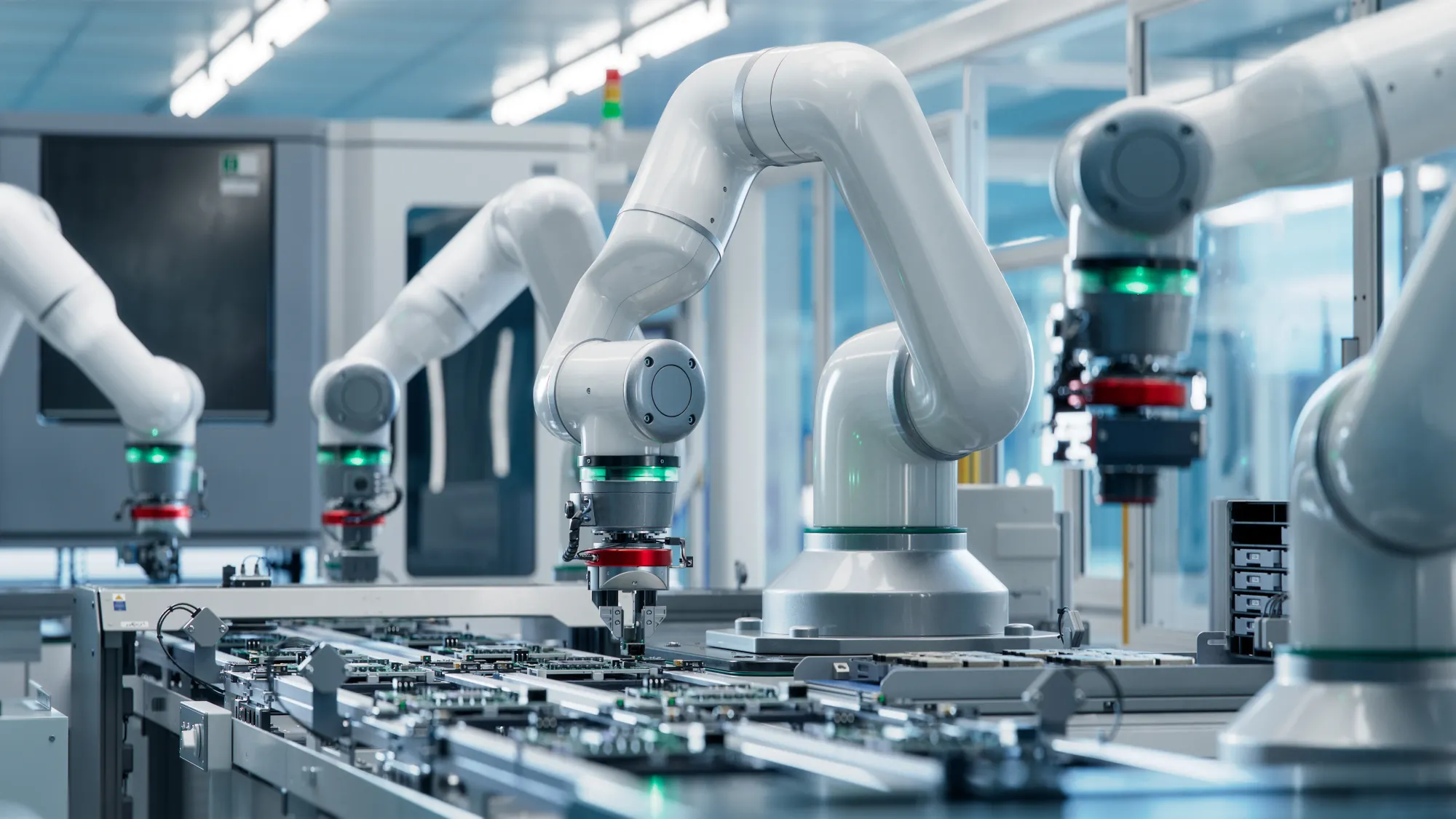
Kimball Midwest is leveraging autonomous mobile robots to scale warehouse capacity while maintaining a strict 99.9% same-day shipping commitment. By deploying a fleet of over 100 Locus Robotics autonomous mobile robots (AMRs) across three distribution centers in Ohio, Texas, and Nevada, the MRO distributor has successfully expanded its footprint without altering existing shelving or pallet-rack infrastructure. This strategic automation deployment earned the company and Locus Robotics the Best Use of Robotics category at the 2026 Supply Chain Excellence Awards USA, highlighting a rapid transition from a single-site pilot to a multi-site enterprise program.
Kimball Midwest Multi-Site Automation Expansion
The automation program, which began in Columbus in January 2024, has expanded to three sites within 14 months to support Kimball Midwest’s trajectory toward $1 billion in annual revenue. The implementation focuses on utilizing a single robotics platform to manage both picking and putaway tasks, a move intended to provide operational flexibility. According to the company, this approach allows managers to reallocate associates between replenishment and order fulfillment as daily priorities shift, particularly as shipping cutoffs approach. This responsiveness aims to eliminate the need for separate, dedicated labor pools for different warehouse functions. By integrating these AMRs, the company reports it has successfully reduced onboarding time from approximately two weeks to mere minutes or hours. Furthermore, the deployment has reportedly decreased reliance on temporary labor and effectively eliminated overtime, supporting sustained double-digit growth while protecting the service levels required to meet customer demand across its national distribution network.
Operational Metrics and Robotic-Assisted Throughput
The technical impact of the Locus Robotics deployment is reflected in significant shifts in warehouse throughput and labor efficiency. Across the three facilities, the fleet has completed more than 13.2 million robotic-assisted lines picked and approximately 1 million lines put away. Data from the program indicates that picking productivity increased by approximately 45%, rising from roughly 110 to over 160 lines per hour. Putaway productivity saw a more substantial gain, improving by more than 100% as rates rose from approximately 30 to between 91 and 96 lines per hour. Crucially for enterprise capital planning, Kimball Midwest reports achieving a return on investment (ROI) in under one year. This performance is supported by the LocusONE platform, which utilizes real-time orchestration and AI-driven execution to manage the fleet. The ability to scale these operations without major infrastructure changes suggests a model for rapid deployment in existing facilities that are already optimized for traditional manual workflows.
Key Takeaways
- Kimball Midwest achieved ROI on its Locus Robotics deployment in less than one year.
- The program increased picking productivity by approximately 45% and putaway productivity by more than 100%.
- The automation deployment has completed over 13.2 million robotic-assisted lines picked across three sites.
TechInsyte's Take
In our view, the Kimball Midwest deployment serves as a critical proof point for the "flexibility-first" automation model, specifically regarding the ability to scale without heavy capital expenditure on physical infrastructure. By avoiding modifications to existing shelving and pallet racks, the company has lowered the barrier to entry for rapid multi-site expansion. This signals that the value of AMRs is shifting from simple task automation to dynamic labor orchestration. The ability to pivot a workforce between replenishment and fulfillment in real-time addresses one of the most persistent challenges in enterprise logistics: managing labor volatility during peak demand windows without incurring excessive overtime or temporary staffing costs.
Questions & Answers
How does the robotics deployment impact Kimball Midwest's labor strategy?
The deployment allows for dynamic labor reallocation, enabling associates to move between picking, putaway, and replenishment based on real-time demand. This has reportedly decreased reliance on temporary labor and eliminated overtime.
What are the specific productivity gains reported from the Locus Robotics implementation?
Picking productivity increased by approximately 45% (from ~110 to >160 lines per hour), while putaway productivity improved by more than 100% (from ~30 to 91–96 lines per hour).
Can this automation be implemented without significant facility modifications?
Yes. Kimball Midwest expanded the program to three sites without making major changes to its existing shelving or pallet-rack infrastructure.
What was the timeline for the ROI and site expansion?
Kimball Midwest achieved ROI in under one year and expanded the program from one site to three sites within a 14-month period.
Source: Businesswire