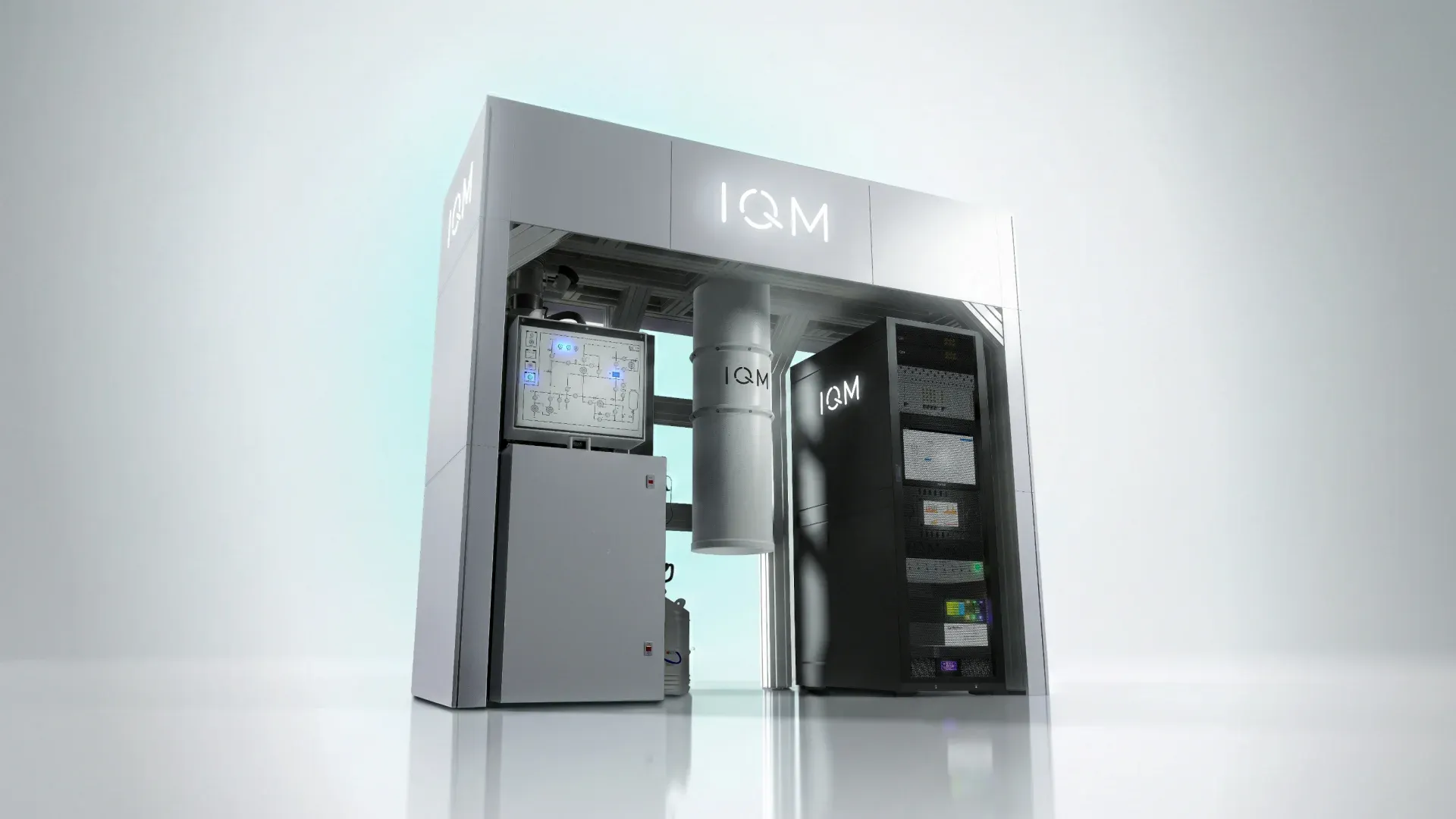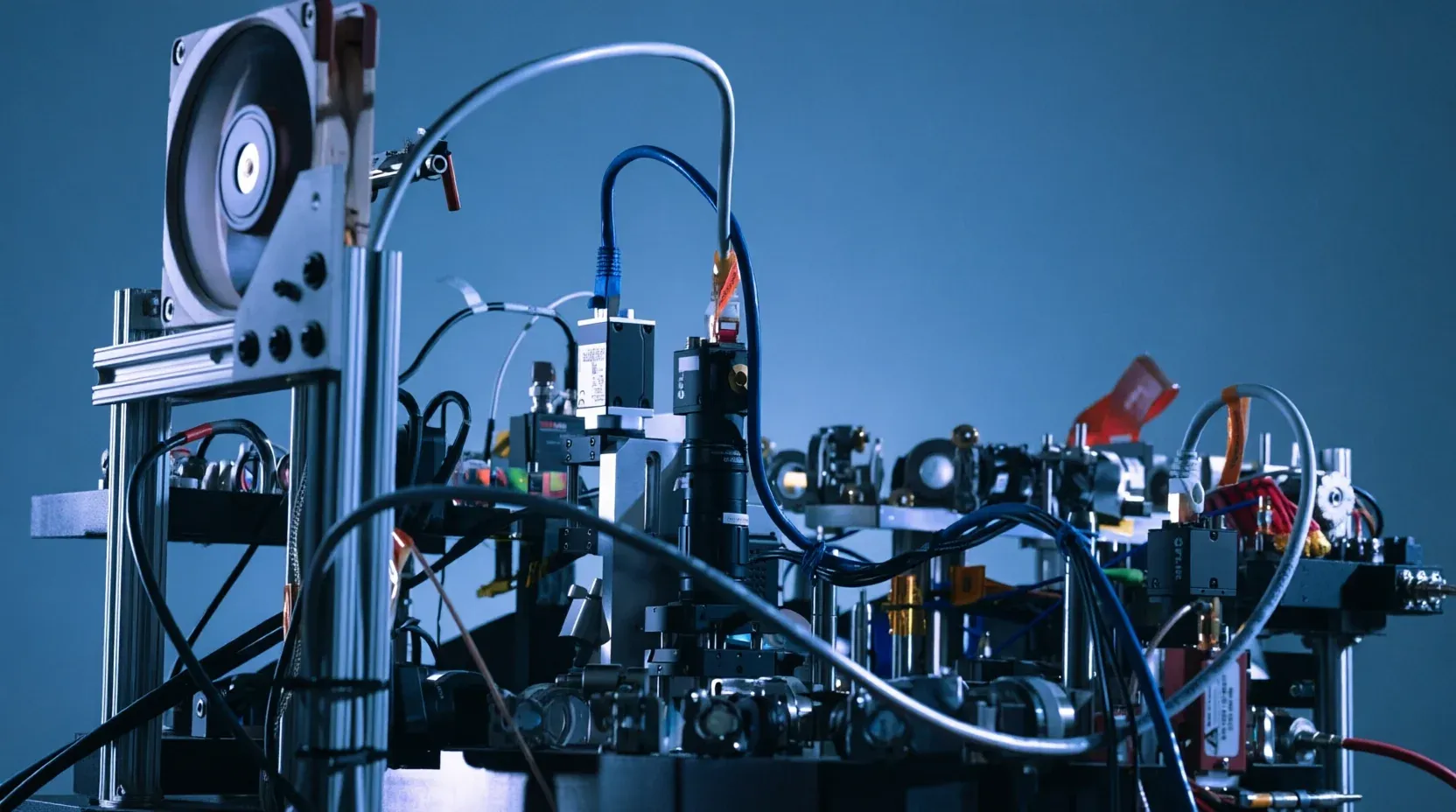
Infleqtion is accelerating the deployment of scalable quantum hardware by providing the core processing unit for Japan's first operational full-stack neutral-atom quantum computer. This development, part of the Japan Science and Technology Agency (JST) Quantum Moonshot program, marks a significant shift from theoretical research toward functional, production-ready quantum platforms. The system, named "Shunkai," represents a strategic collaboration between Infleqtion and the Institute for Molecular Science (IMS).
Shunkai System and the Moonshot Milestone
The "Shunkai" system, developed by a research team led by Professor Kenji Ohmori at the Institute for Molecular Science (IMS), utilizes Infleqtion’s quantum processing unit (QPU) to achieve operational status. As the only foreign quantum partner selected for the JST Quantum Moonshot program, Infleqtion is positioning its neutral-atom technology as a foundational component for large-scale architectures. The system is initially expected to operate with approximately 50 qubits. This deployment serves as a critical testbed for transitioning neutral-atom technology from experimental R&D into a full-stack computing platform capable of supporting external users across academia and industry.
Scaling Toward 10,000 Physical Qubits
The roadmap for the Shunkai platform involves aggressive scaling targets to move beyond initial proof-of-concept stages. Following the current launch, development plans aim to increase capacity to around 500 qubits. A subsequent phase, scheduled to begin in April 2026, will focus on system integration, stability, and scalability. The long-term objective of the Ohmori Moonshot project is to realize a high-performance, fault-tolerant quantum computer utilizing up to 10,000 physical qubits. This trajectory includes the integration of quantum error detection and correction capabilities, which are essential for the reliability required by enterprise-grade applications in sectors like finance, energy, and defense.
Key Takeaways
- Infleqtion provided the quantum processing unit for "Shunkai," Japan's first operational full-stack neutral-atom quantum computer.
- The system is expected to start with approximately 50 qubits, with a roadmap targeting 500 qubits and eventually 10,000 physical qubits.
- The project is part of the Japan Science and Technology Agency (JST) Quantum Moonshot program, led by Professor Kenji Ohmori at the Institute for Molecular Science.
TechInsyte's Take
In our view, this collaboration validates the neutral-atom architecture as a viable contender in the race for scalable, fault-tolerant quantum computing. By embedding its QPU into a national-level program like Japan's Moonshot, Infleqtion is moving beyond vendor status to become a critical infrastructure provider. The jump from 50 to 10,000 qubits is a massive technical hurdle, but the focus on error correction and system stability suggests a pragmatic approach to reaching the commercial utility required by enterprise IT leaders.
Questions & Answers
How does the Shunkai system support enterprise-level quantum research?
The system is expected to be made available to external users, allowing academia and industry to develop specific applications and advance research into quantum error correction.
What is the long-term scaling objective for the Moonshot project?
The project aims to move from an initial 50-qubit operation to a high-performance, fault-tolerant system featuring up to 10,000 physical qubits.
What role does Infleqtion play in the Japanese quantum ecosystem?
Infleqtion is the sole foreign quantum partner selected by the Japan Science and Technology Agency (JST) for its Quantum Moonshot program, providing the essential quantum processing unit.
When does the next major phase of development begin?
The next phase of the Ohmori Moonshot project, which focuses on integration and scalability, is scheduled to start in April 2026.
Source: Businesswire