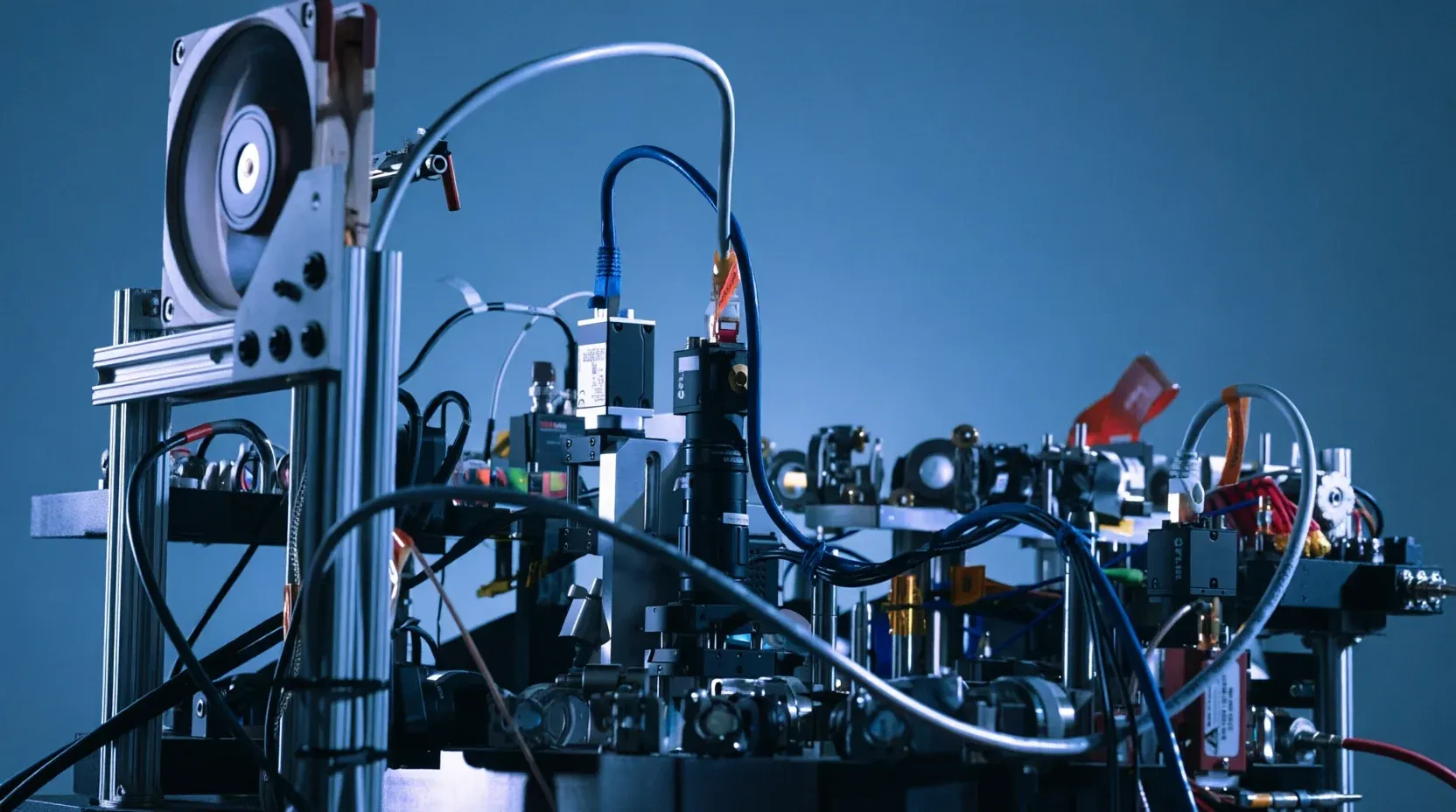
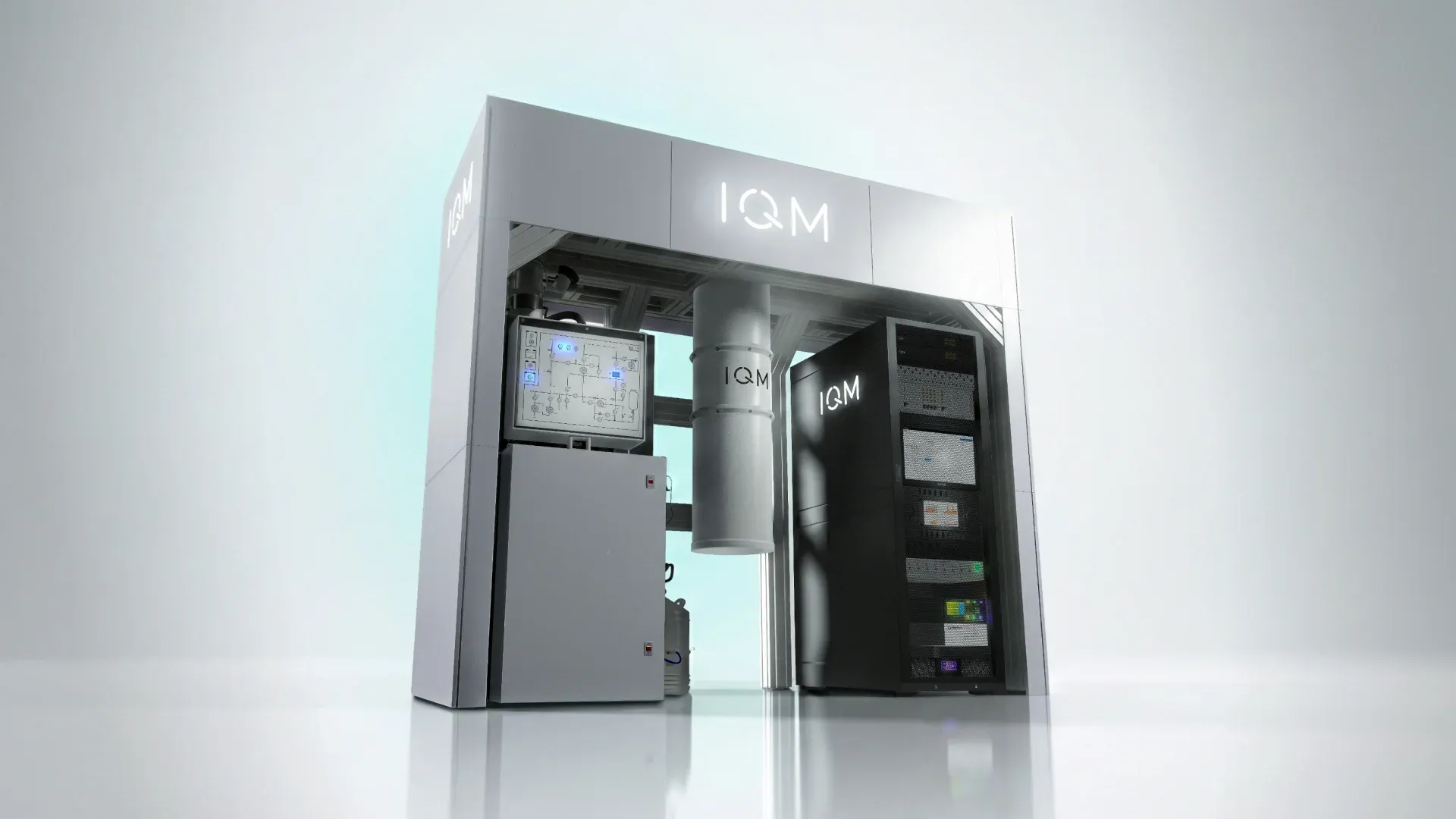
Telefónica and IQM Quantum Computers are establishing a localized quantum computing infrastructure in the Community of Madrid to bridge the gap between theoretical research and industrial application. By deploying an IQM Spark system at the Universidad Politécnica de Madrid, the partnership aims to provide regional enterprises, hospitals, and research centers with direct access to superconducting quantum hardware. This move is designed to foster a regional quantum ecosystem, allowing local stakeholders to develop and test quantum algorithms on-premises. The initiative seeks to strengthen European technological sovereignty while positioning Madrid as a competitive hub for advanced digital innovation and high-performance computing capabilities.
Madrid Infrastructure Expansion via IQM Spark
The deployment of the IQM Spark quantum computer represents a strategic effort to decentralize access to quantum hardware within the Community of Madrid. Scheduled for installation at the Universidad Politécnica de Madrid before the end of 2026, the system is being positioned as an all-in-one solution tailored for research, education, and early-stage development. This marks the third such deployment in Spain through the Telefónica and IQM collaboration, following two previous installations at the Galician Supercomputing Centre (CESGA).
The project is intended to move quantum computing beyond remote laboratory environments, placing hardware directly in the hands of those addressing real-world challenges. By providing local access, the companies aim to support a variety of sectors, including healthcare, security, and materials science. Telefónica is leveraging this deployment to expand its role in the quantum landscape, which already includes offering communications between data centers protected by new post-quantum cryptography standards. The goal is to create a localized environment where start-ups and established industries can build the technical expertise required to explore future use cases. This infrastructure is expected to serve as a catalyst for attracting talent and driving the development of specialized technological applications across the region.
Technical Capabilities and Ecosystem Integration
The IQM Spark system utilizes superconducting quantum computing technology to provide a full-stack solution for users. Unlike cloud-only access models, this on-premises deployment model is designed to give institutions direct ownership and control over their quantum infrastructure. This level of control is critical for organizations performing sensitive research or developing proprietary algorithms in sectors such as financial modeling or pharmaceutical development. The deployment at the Universidad Politécnica de Madrid is intended to function as a foundational layer for a broader quantum ecosystem.
This ecosystem is designed to integrate multiple stakeholders, including universities, research centers, and private enterprises, to facilitate the transition from experimentation to high-impact applications. For the Community of Madrid, the presence of this hardware is a move toward building local capacity in quantum-ready workflows. The initiative also aligns with broader European objectives regarding technological sovereignty, reducing reliance on external quantum providers. By establishing this hardware locally, the project enables researchers to engage in hands-on experience, which is essential for developing the specialized skills needed to manage and utilize quantum systems as they mature.
Key Takeaways
- Telefónica and IQM will install an IQM Spark quantum computer at the Universidad Politécnica de Madrid by the end of 2026.
- This deployment is the third in Spain for the Telefónica-IQM partnership, following two systems provided to the Galician Supercomputing Centre (CESGA).
- The IQM Spark is designed as an all-in-one solution for research, education, and early-stage development, offering on-premises ownership and control.
TechInsyte's Take
In our view, this deployment signals a significant shift from the "quantum-as-a-service" cloud model toward a localized, ownership-based infrastructure strategy. By placing the IQM Spark hardware directly within a major academic institution, Telefónica and IQM are betting that proximity to talent and physical control over hardware will accelerate the transition from academic theory to industrial utility. This is not merely a research grant; it is a strategic play to build a regional "quantum moat." For enterprise leaders in Madrid, this provides a rare opportunity to engage with quantum hardware without the latency or security concerns often associated with remote cloud access. However, the success of this initiative depends entirely on whether the regional ecosystem can successfully convert this hardware access into scalable, industry-specific algorithms before the technology reaches broader commercial maturity.
Questions & Answers
How does the deployment model differ from standard cloud-based quantum access?
The IQM Spark utilizes an on-premises deployment model, which provides institutions with direct ownership and control of the quantum infrastructure. This differs from cloud-based models by allowing users to manage the hardware locally, which can be critical for research involving sensitive data or proprietary algorithm development.
What is the expected timeline and location for this installation?
The IQM Spark quantum computer is scheduled to be installed at the Universidad Politécnica de Madrid and is expected to be operational before the end of 2026.
Which sectors are identified as potential beneficiaries of this quantum infrastructure?
The announcement highlights several sectors that could utilize the hardware, including healthcare (specifically for developing cancer treatments), security, materials science, financial modeling, and packaging companies looking to reduce cardboard usage.
How does this project contribute to Spain's broader quantum computing landscape?
This is the third system deployed in Spain through the Telefónica and IQM collaboration. It follows two previous deployments at the Galician Supercomputing Centre (CESGA) and aims to establish the Community of Madrid as a benchmark for digital innovation and a hub for a local quantum ecosystem.
Source: IQM