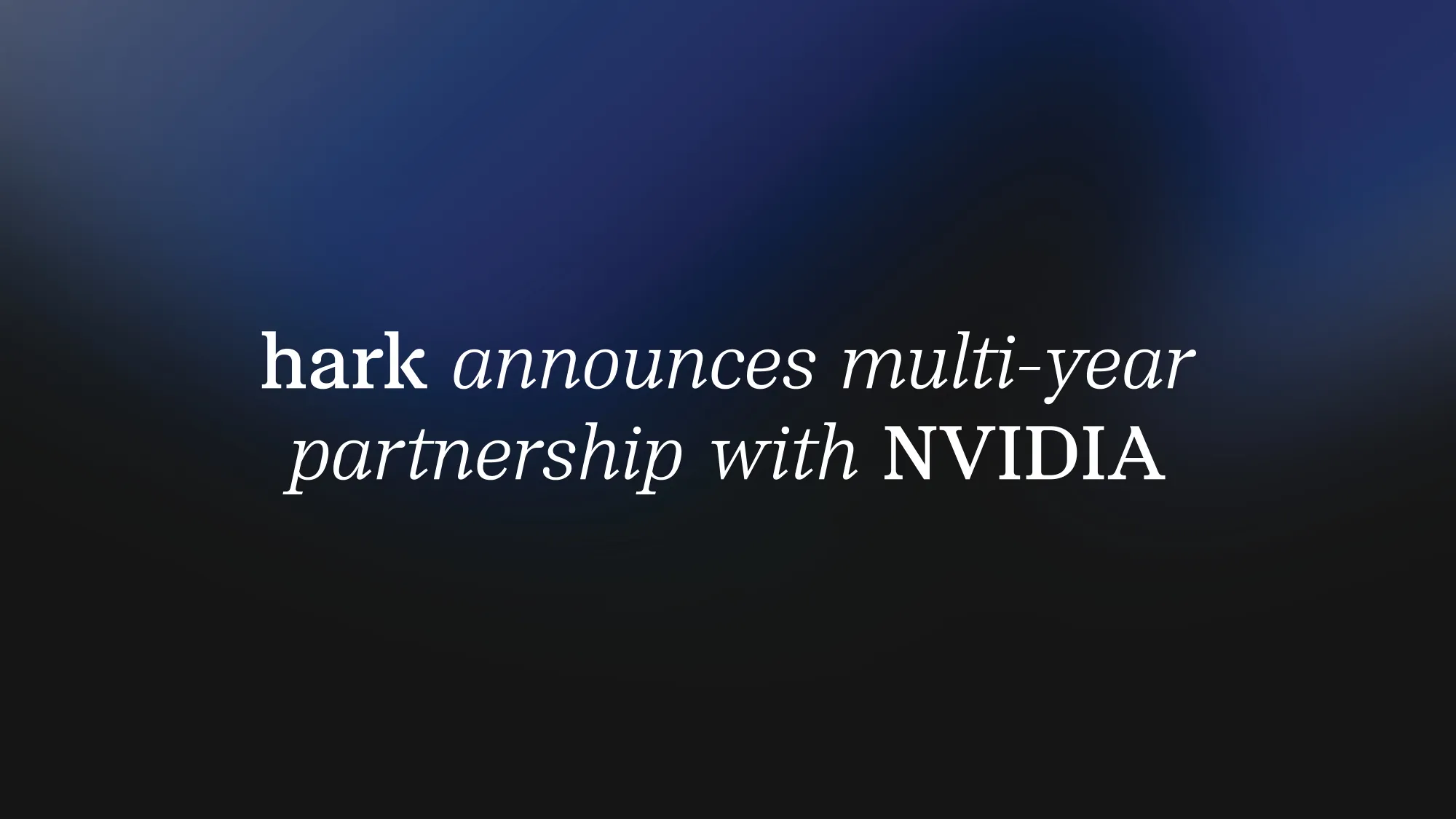
Hark is positioning itself to challenge existing AI paradigms by securing massive computing resources to power highly personalized, multimodal agentic systems. Through a multi-year strategic partnership with NVIDIA, the company intends to leverage gigawatt-scale compute capacity on the next-generation NVIDIA Vera Rubin platform. This collaboration aims to support the development, training, and distributed inference required for Hark’s upcoming platform launch, scheduled before the end of summer.
Hark’s Integration of NVIDIA Vera Rubin
Hark is architecting its ecosystem around NVIDIA’s full-stack accelerated computing platform to manage the heavy computational demands of personalized AI. The company is utilizing the Megatron stack for model training and Dynamo for inference operations. To ensure the stability of its large-scale operations, Hark is also implementing NVSentinel for GPU cluster resiliency. This technical foundation supports the development of Hark Handoff, a computer-use model, and the training of the company's proprietary foundation models. By integrating these specific technologies, Hark aims to build multimodal systems capable of persistent memory and natural interaction through speech and vision.
Scaling Multimodal Agentic Intelligence
The partnership focuses on the massive infrastructure requirements necessary to combine speech, vision, and memory into a cohesive user interface. According to NVIDIA’s Nico Caprez, building at a gigawatt scale provides the foundation for Hark to develop and run AI at scale. Hark is developing its models, native hardware, and interfaces simultaneously to create a proactive AI experience. The company intends to deploy these agentic systems across existing devices and its own bespoke hardware. This approach suggests a move toward hardware-software vertical integration, where the intelligence is optimized for the specific physical devices used by the end consumer.
Key Takeaways
- Hark is securing gigawatt-scale compute capacity on the next-generation NVIDIA Vera Rubin platform.
- The company is utilizing the NVIDIA Megatron stack for training and Dynamo for inference.
- Hark’s initial AI platform is scheduled for public availability before the end of summer.
TechInsyte's Take
In our view, Hark is making a high-stakes bet on vertical integration to solve the "personalization gap" in current AI models. By securing gigawatt-scale access to the Vera Rubin platform and developing bespoke hardware, Hark is attempting to bypass the limitations of generic cloud-based LLMs. This strategy signals that the next frontier of enterprise and consumer AI may not be found in software alone, but in the tight coupling of specialized silicon, massive compute reserves, and hardware designed specifically for multimodal, agentic interaction.
Questions & Answers
How will Hark manage the computational demands of its personalized AI models?
Hark is leveraging NVIDIA’s full-stack accelerated computing platform, specifically utilizing the Megatron stack for training and Dynamo for inference, supported by gigawatt-scale capacity on the Vera Rubin platform.
What is the timeline for Hark's initial product availability?
The company intends to make its platform available to the public before the end of summer.
Which specific NVIDIA technologies are being used to ensure infrastructure stability?
Hark is employing NVSentinel to manage and maintain GPU cluster resiliency within its computing infrastructure.
What is the core technical objective of the Hark and NVIDIA partnership?
The partnership aims to provide the massive computing infrastructure required to develop, train, and run multimodal agentic AI systems that incorporate speech, vision, and persistent memory.
Source: Businesswire