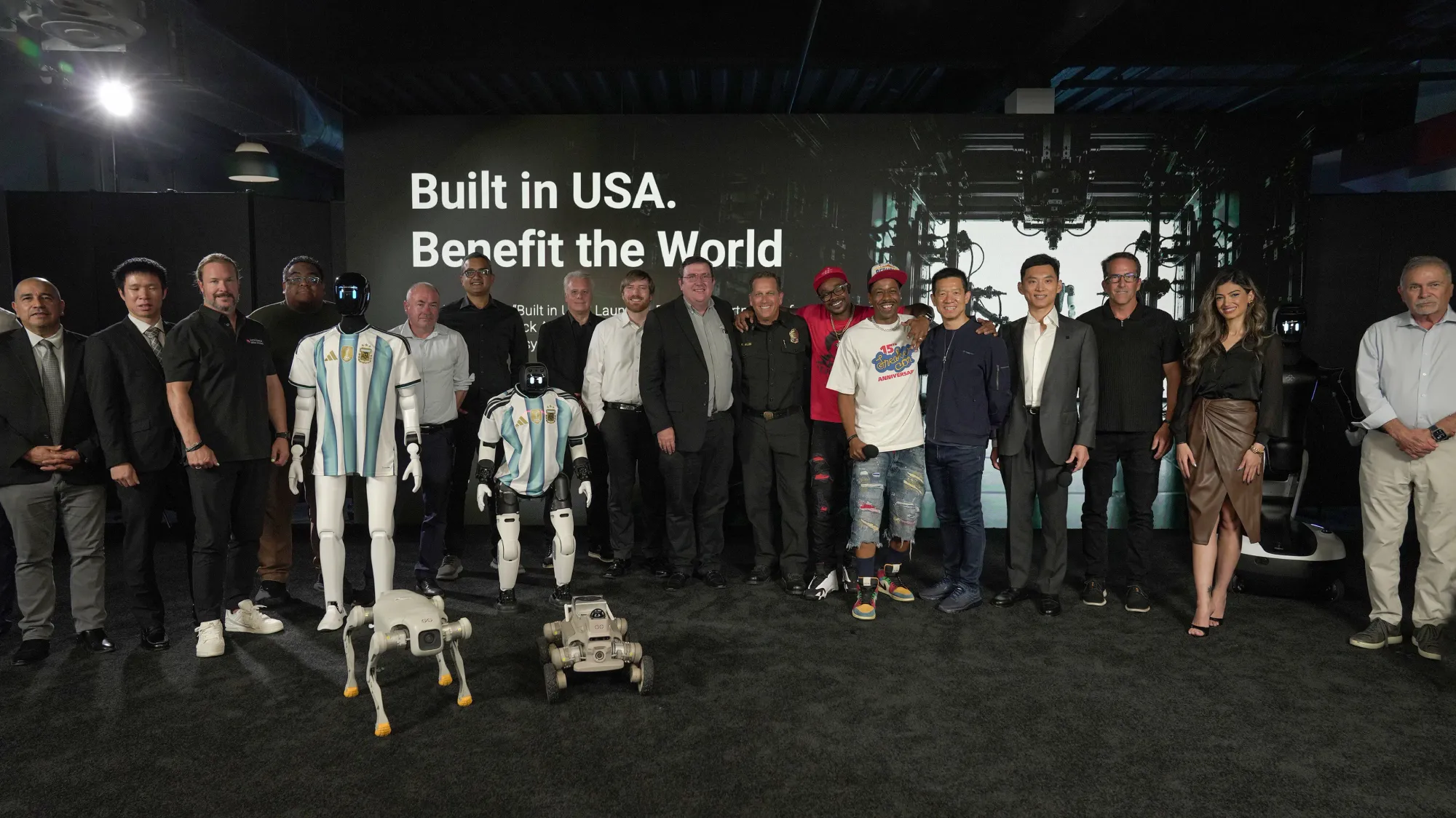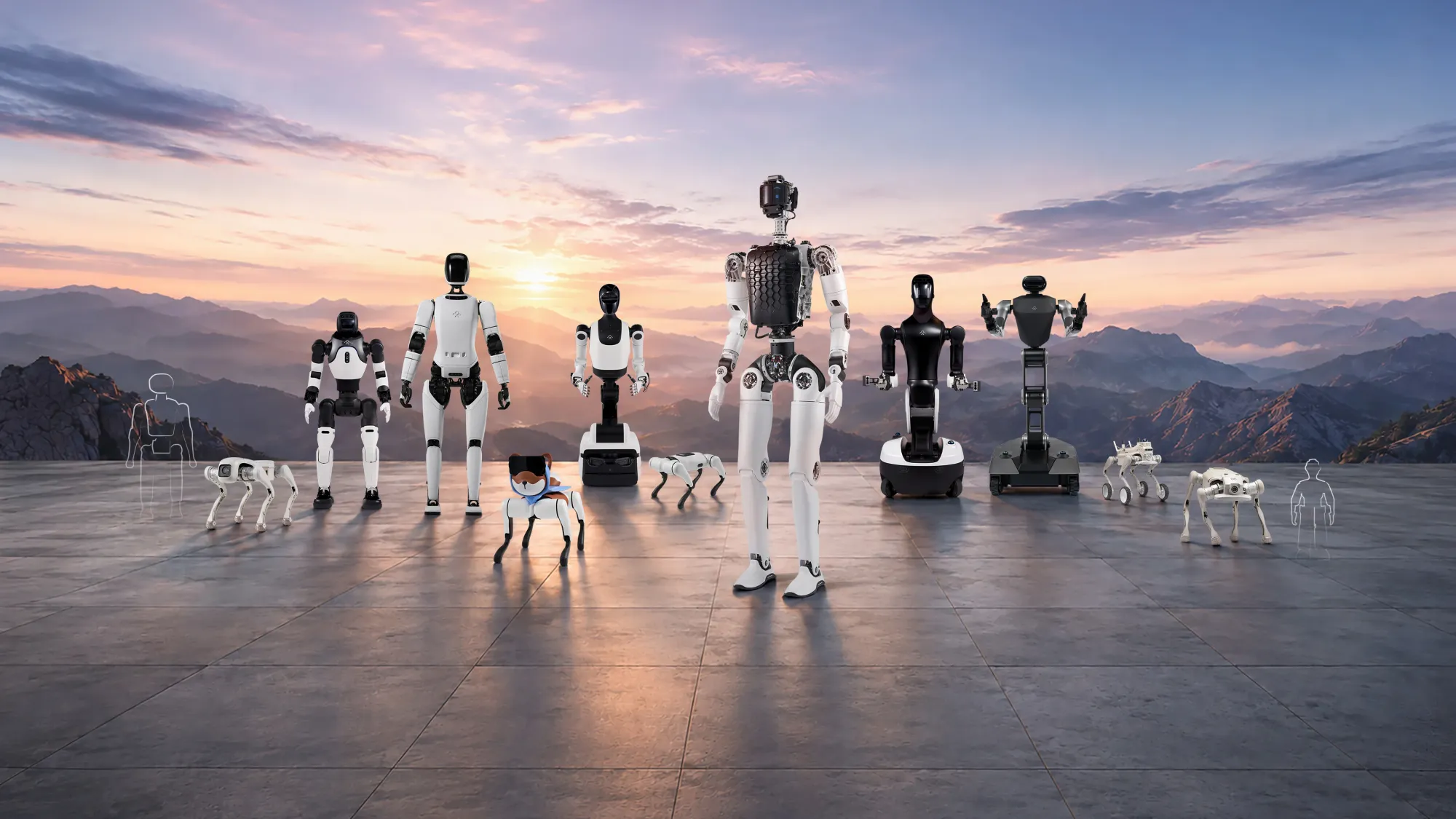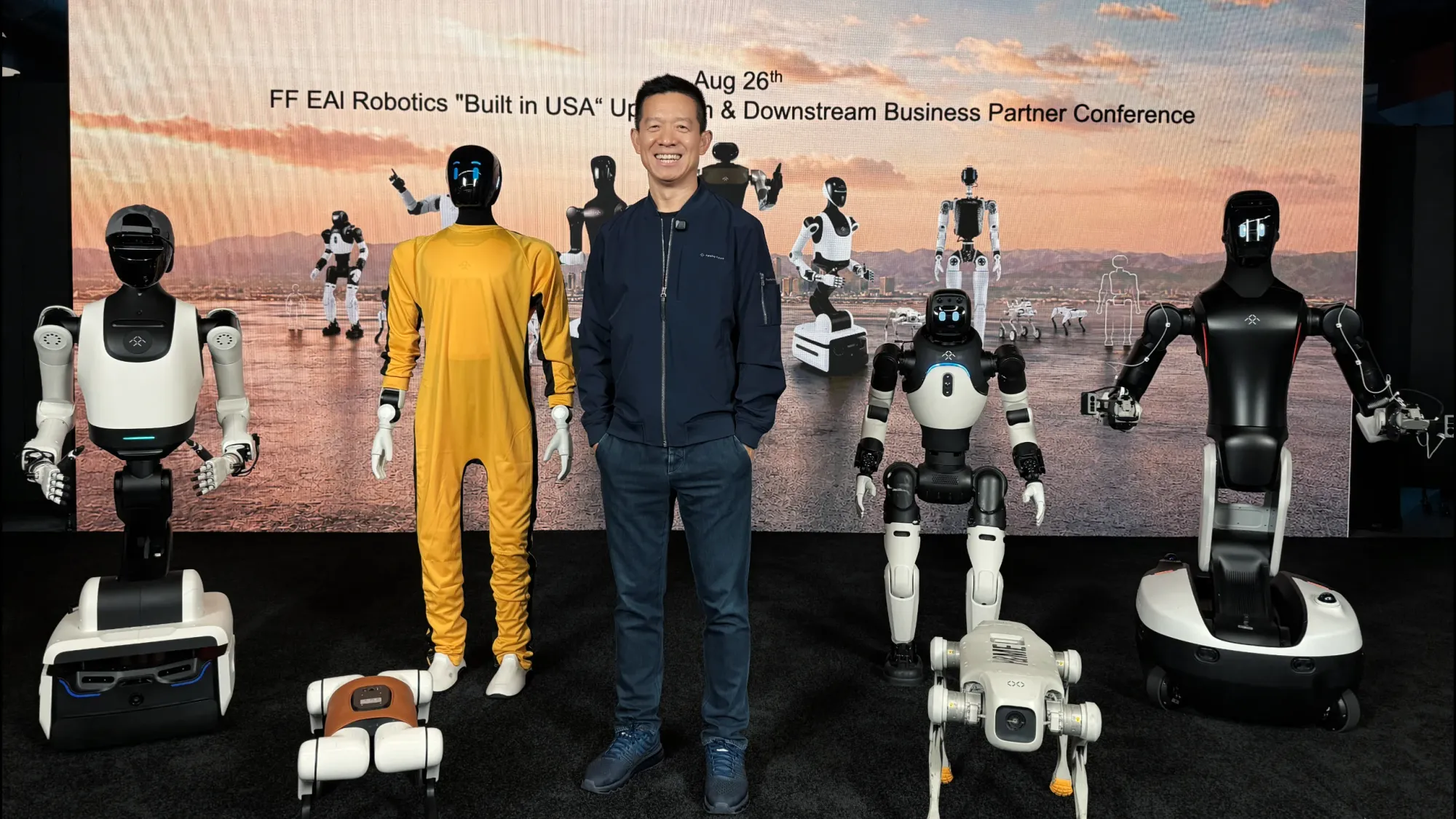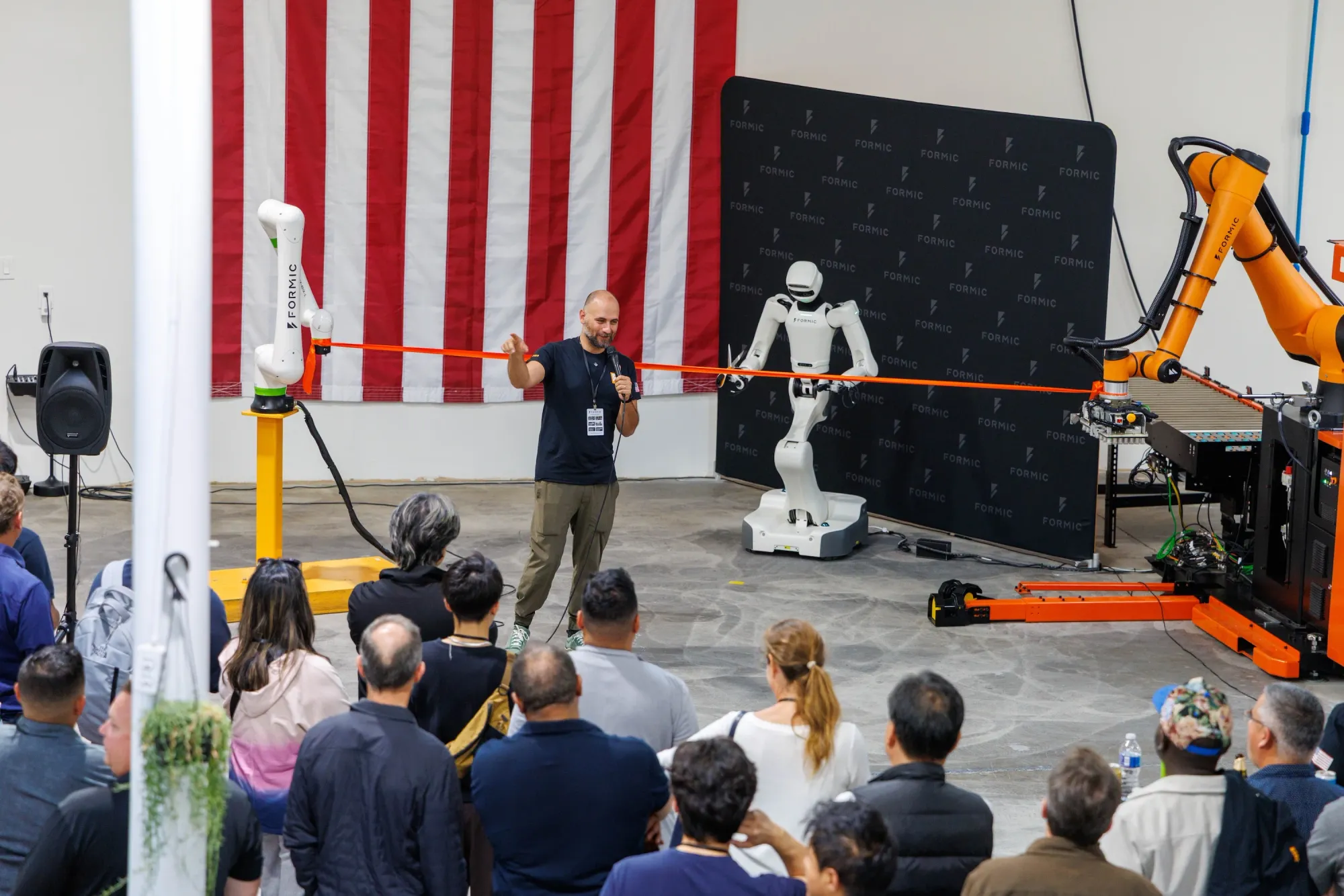
Formic is positioning itself at the epicenter of the physical AI movement by establishing its first West Coast presence in Oakland, California. By securing more than 13,000 square feet at 936 61st St., the automation provider is strategically placing its R&D and operations near major industry players like Tesla and Amazon. This expansion follows a significant June expansion into a 53,000-square-foot production facility in the Chicagoland area. The company intends to use this new Bay Area hub to accelerate the deployment of humanoid robots and expand its existing automation fleet. This move signals a shift from traditional industrial robotics toward more flexible, dynamic applications within the American manufacturing sector.
Formic Oakland Facility and West Coast Expansion
The opening of the Oakland facility on August 19th marks a critical geographic pivot for Formic as it seeks to tap into the specialized robotics talent concentrated in the Bay Area. While the company’s Bolingbrook facility focuses on the scale of its flagship robotic fleet—handling tasks such as palletizing and machine tending—the Oakland site is designated as a center for humanoid development and research. CEO Saman Farid noted that the location provides access to a unique combination of robotics expertise and early adopters of automation technology. This expansion is part of a broader growth strategy that includes the company's recent move into the Midwest. Formic is currently managing what it describes as America’s largest independent deployed robot fleet, and the Oakland facility is intended to serve as a launchpad for more complex, high-variability tasks. The company plans to direct new capital toward scaling these humanoid capabilities and increasing its overall footprint across the United States, targeting manufacturers that require more adaptable robotic solutions than traditional fixed-path automation can provide.
Proprietary AI Models and the Robotics-as-a-Service Model
Formic is attempting to bridge the gap between laboratory research and industrial application by integrating hardware with its proprietary AI models, Cortex and Core. These models are designed to handle scoping, deployment, and real-time operation by processing data fed back from every deployed unit, whether it is a standard palletizer or a humanoid robot. COO Danijel Lolic suggests that humanoid robots will fundamentally change the calculation of what tasks are considered automatable by allowing for greater flexibility in dynamic environments. To lower the barrier to entry for manufacturers, Formic utilizes a "Full Service Automation" model. This approach eliminates the need for upfront capital expenditure, instead offering a single flat monthly rate that covers equipment, deployment, ongoing maintenance, and contracted production performance. By utilizing this model, Formic aims to provide manufacturers with predictable costs while managing the technical complexities of robot uptime and performance optimization. This data-driven loop, powered by Cortex and Core, is intended to create a compounding advantage in how the company manages its expanding fleet of physical AI assets.
Key Takeaways
- Formic has opened a 13,000-square-foot R&D and robot factory in Oakland, marking its first West Coast location.
- The company is leveraging its proprietary Cortex and Core AI models to manage real-time operations and deployment data across its fleet.
- Formic’s business model provides automation via a flat monthly rate with $0 in initial capital investment for manufacturers.
TechInsyte's Take
In our view, Formic’s move into Oakland is a calculated attempt to transition from a provider of specialized industrial tools to a leader in the emerging "physical AI" category. By co-locating near the development hubs of Tesla and Amazon, Formic is signaling that its future lies in the high-variability, high-complexity tasks that only humanoid or highly adaptable robotics can solve. The strategic importance of the Cortex and Core AI models cannot be overstated; the company is essentially building a closed-loop data ecosystem where every machine on a factory floor improves the intelligence of the entire fleet. If Formic can successfully scale its "Robots-as-a-Service" model to include humanoids, it may effectively remove the primary financial and technical hurdles that have historically prevented mid-sized manufacturers from adopting advanced robotics. This is a high-stakes bet on the convergence of generative AI and physical hardware.
Questions & Answers
How does Formic’s financial model impact manufacturer capital allocation?
Formic utilizes a "Full Service Automation" model that requires $0 in initial capital expenditure. Instead, manufacturers pay a single flat monthly rate that includes the equipment, deployment, maintenance, and parts, allowing for predictable operational expenses rather than large upfront investments.
What role do the Cortex and Core AI models play in Formic's operations?
Cortex and Core are proprietary AI models used for the scoping, deployment, and real-time operation of Formic's robotic fleet. These models ingest data from every deployed unit—ranging from palletizers to humanoids—to optimize performance and manage the complexity of physical AI tasks.
How does the Oakland facility differ from the company's Chicagoland facility?
While the 53,000-square-foot Chicagoland facility serves as a large-scale production site for the flagship robotic fleet (such as palletizing and machine tending), the Oakland facility is specifically positioned as an R&D center focused on humanoid development and more flexible, high-variability automation tasks.
What is the strategic significance of Formic's location in the Bay Area?
The Oakland location provides Formic with access to a concentrated pool of robotics talent and early adopters of automation. Additionally, it places the company in the same geographic region as other major physical AI initiatives, such as Tesla’s Optimus program and Amazon’s Project Prometheus.
Source: Businesswire