Discovered Materials, a startup developing AI agents for semiconductor material discovery, has announced a $9M seed funding round. Led by Lightspeed India Partners, with participation from Y Combinator and Peak XV Partners, the capital aims to accelerate the adoption of new materials for semiconductor chips. This development addresses the critical bottleneck where the demand for high-performance compute outpaces the traditional, multi-year timelines required to move new materials from laboratory research into industrial fabrication processes.
Discovered Materials $9M Seed Funding Details
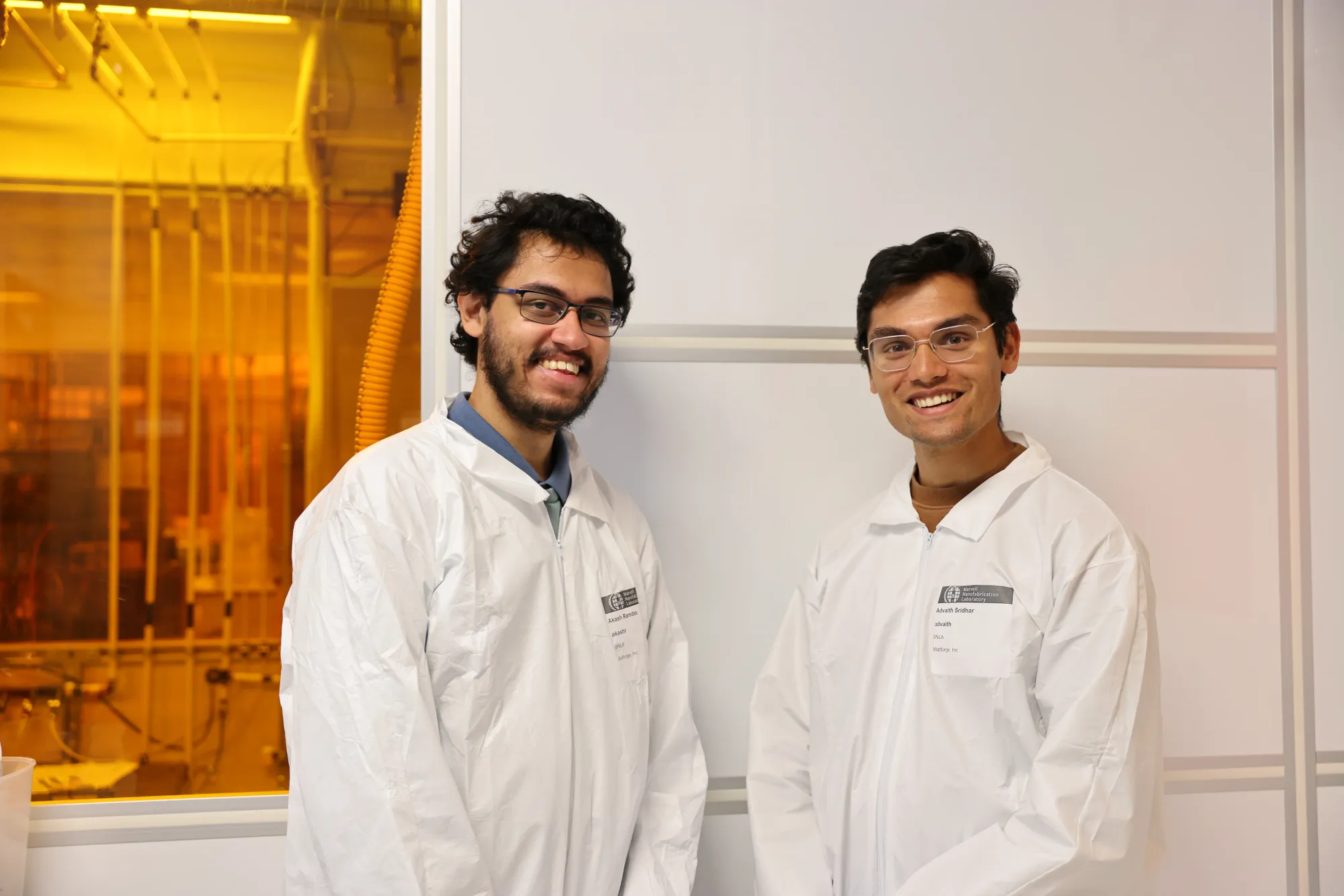
The $9M seed round was led by Lightspeed India Partners, with additional investment from Y Combinator, Peak XV Partners, and angel investors including Paul Graham, Gokul Rajaram, and Thariq Shihipar. Discovered Materials intends to utilize this capital to expand its specialized team, scale its laboratory operations, and advance its AI research agents. Co-founders Akash Ramdas, a Stanford PhD in Material Science, and Advaith Sridhar, an AI expert from Carnegie Mellon, aim to compress the traditional materials R&D cycle. By integrating deep materials science with frontier AI engineering, the company seeks to shrink the "lab-to-fab" timeline, which currently requires hundreds of millions of dollars and several years to navigate. This funding specifically targets the urgent need for improved heat dissipation technologies as GPU heat fluxes reach approximately 140 W/cm².
AI Agents for Semiconductor Heat Management
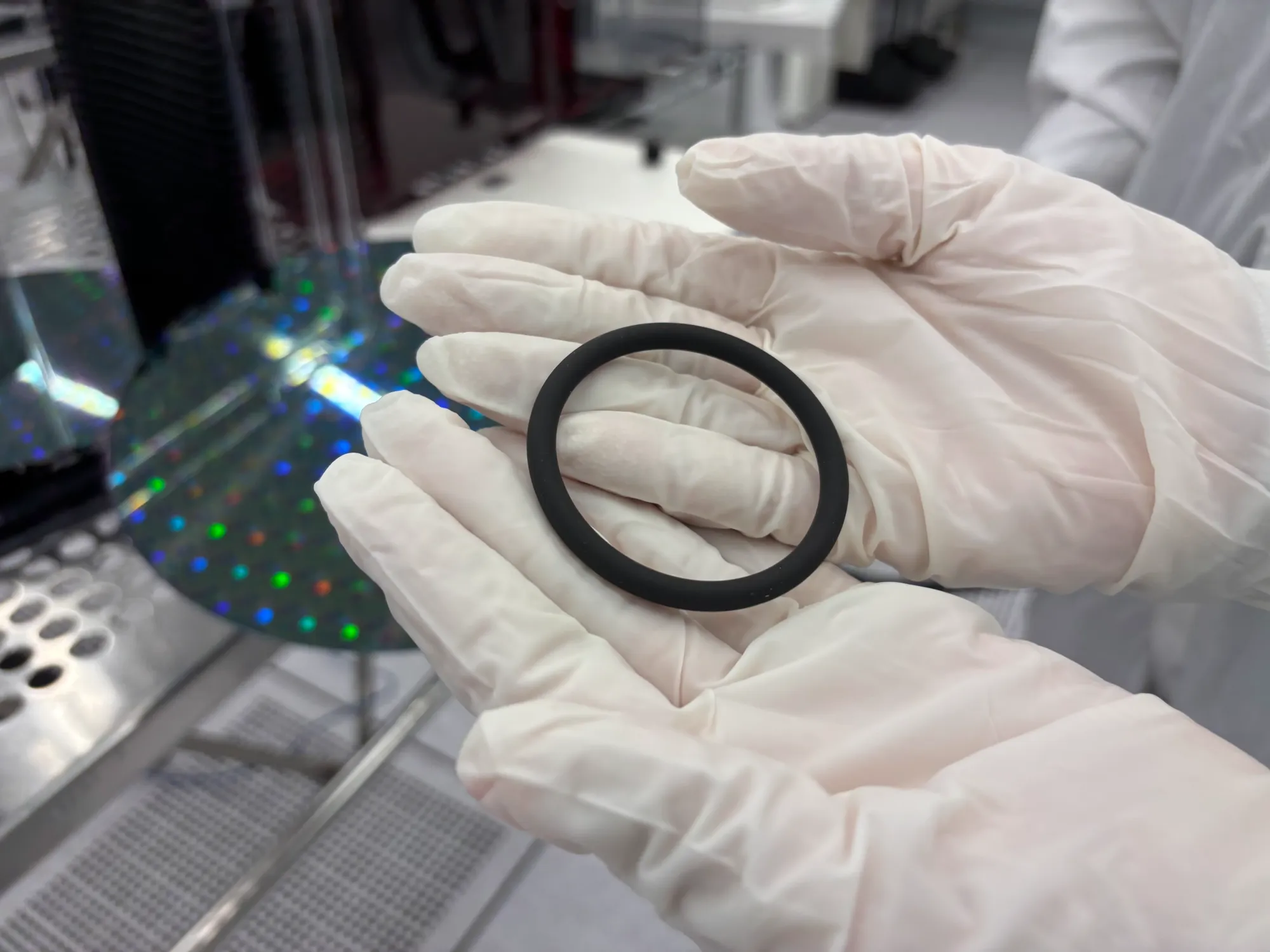
The company is positioning its AI agents to tackle the thermal challenges inherent in modern AI hardware. Current GPUs handle heat fluxes comparable to a space shuttle nose cone during re-entry, a factor that drives massive power and water consumption in datacenters. Discovered Materials' AI agents are designed to span simulation, synthesis, and experimental validation to discover materials that enable 3D stacking and faster heat dissipation. To demonstrate efficacy, the company released hundreds of new materials discovered by frontier AI models and introduced the Material Discovery Bench. This benchmark, developed with industry and academic experts, tracks how frontier models perform on real-world semiconductor problems. Co-founder Akash Ramdas noted that the company recently developed thermal materials in three months that match the performance of products developed by major chemical companies over several years.
Key Takeaways
- Discovered Materials raised $9M in a seed round led by Lightspeed India Partners to accelerate semiconductor material discovery.
- The company released the Material Discovery Bench to track frontier AI model performance on real-world semiconductor chip problems.
- AI agents are being used to compress materials R&D timelines from years into days, specifically targeting heat dissipation for high-flux GPUs.
TechInsyte's Take
In our view, Discovered Materials is targeting one of the most significant physical bottlenecks in the AI infrastructure stack: thermal management. As compute density increases, the "valley of death" between material discovery and industrial fabrication becomes a primary constraint for chip manufacturers. By deploying agentic AI to automate the simulation and validation loop, the company is not just improving R&D; it is attempting to fundamentally alter the economics of semiconductor innovation. If they can successfully bridge the gap between lab-scale discovery and fab-ready materials, they will become a critical layer in the supply chain for next-generation high-performance computing.
Questions & Answers
How does Discovered Materials address the thermal limitations of modern GPUs?
The company uses AI agents to discover new materials that can both enable 3D stacking to reduce heat generation and improve the speed of heat dissipation. This is critical as current GPU heat fluxes have reached roughly 140 W/cm².
What is the significance of the Material Discovery Bench?
The Material Discovery Bench serves as the first benchmark for agentic materials discovery on real-world semiconductor problems. It allows the industry to measure how effectively frontier AI models can solve specific, practical challenges in chip material science.
What is the primary goal of the $9M seed funding?
The funding is intended to scale the company's AI research agents, expand their laboratory capabilities, and grow their technical team to accelerate the transition of new materials from research to production.
How does the company's approach differ from traditional chemical industry timelines?
While traditional chemical companies may take years to develop thermal materials, Discovered Materials claims its AI agents can compress months of interdisciplinary research into days, recently matching long-term industry performance in just three months.
Source: BUSINESSWIRE