
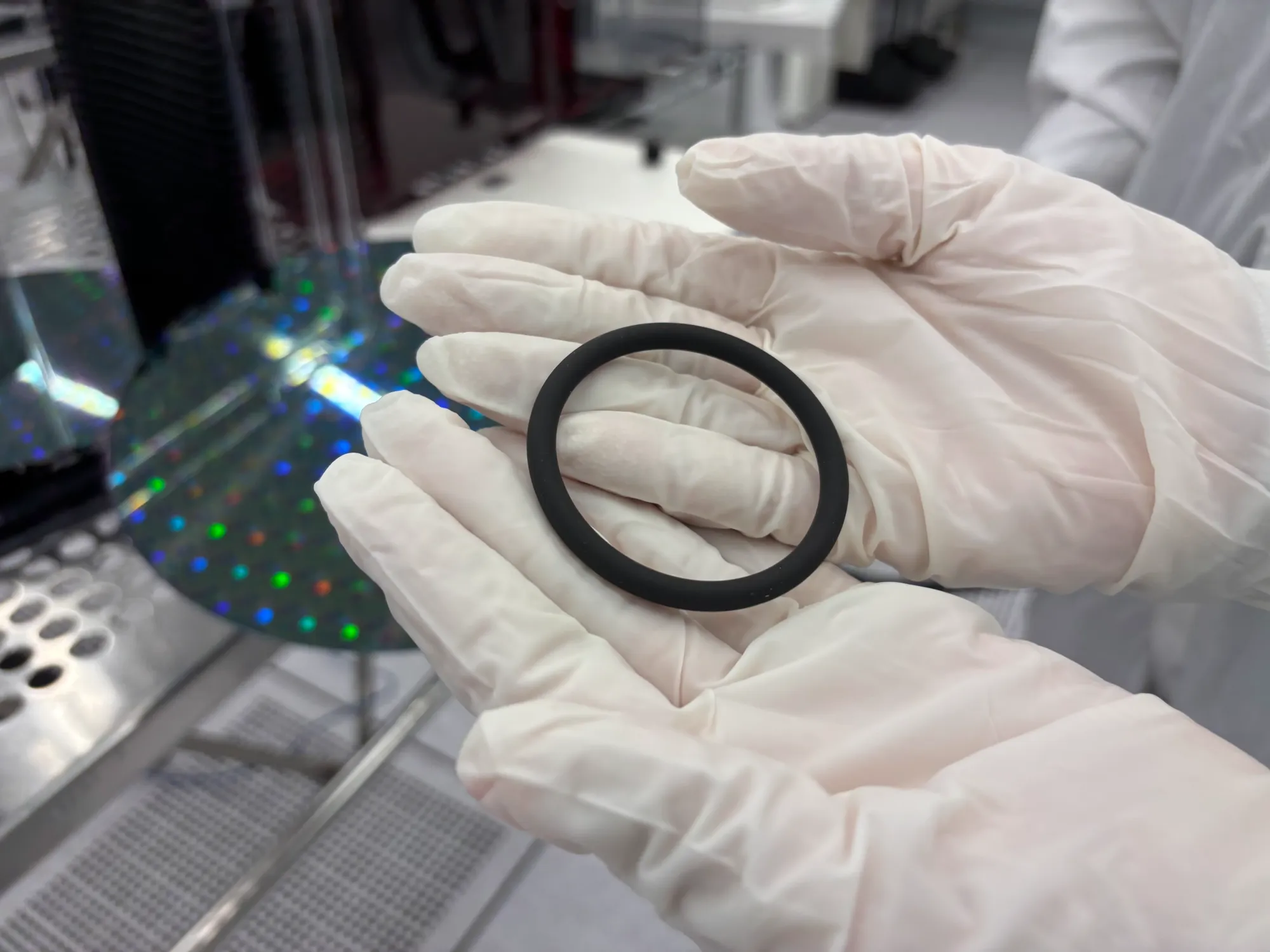
Qnity Electronics is targeting the thermal limits of advanced semiconductor fabrication by expanding its high-performance materials portfolio to address extreme manufacturing environments. The company has introduced Kalrez 7080 perfluoroelastomer parts, a sealing solution engineered to maintain integrity in processes reaching temperatures up to 330°C. This move aims to support manufacturers facing increasingly demanding thermal requirements in advanced node fabrication, where maintaining sealing consistency is critical for process stability and equipment reliability.
Kalrez 7080 Thermal Performance and Specifications
The introduction of Kalrez 7080 focuses on high-purity sealing for semiconductor applications that operate beyond the 300°C threshold. According to the company, the perfluoroelastomer solution is designed to combine thermal resistance with ultra-low outgassing and extremely low metallic contamination. To validate these capabilities, Qnity conducted internal thermal-aging evaluations involving 672 hours of air exposure at temperatures up to 325°C. During these tests, the parts demonstrated thermal stability intended to help manufacturers maintain sealing integrity in extreme-temperature environments.
By addressing these thermal constraints, Qnity is positioning the Kalrez 7080 to support critical manufacturing stages, including diffusion, oxidation, and thermal atomic layer deposition (ALD). The technology is also intended for use in metal chemical vapor deposition (CVD) and low-pressure chemical vapor deposition (LPCVD). The company suggests that these specialized materials can assist in improving process stability, enhancing wafer yield, and reducing the frequency of unplanned maintenance within the fabrication facility.
Integrated Sealing Portfolio for Advanced Nodes
Beyond the 7080 series, Qnity is leveraging its broader Kalrez portfolio to address diverse semiconductor processing challenges, such as plasma resistance and thermal cycling. The company is showcasing Kalrez 9400 parts, which are engineered for etch and strip applications requiring low particle generation and high plasma resistance. Additionally, Kalrez PF3 components integrate perfluoroelastomer materials with precision-engineered metal hardware to manage thermal expansion and improve installation consistency during demanding thermal cycling.
For advanced plasma processes, Qnity provides Kalrez UPHT grade parts, which utilize an ultra-pure, high-temperature FFKM sealing compound. These parts are designed to offer ultra-low outgassing and low particle generation to mitigate contamination risks. Collectively, these technologies are being presented as part of a broader strategy to support next-generation semiconductor devices and advanced packaging architectures, focusing on the material reliability required for high-performance computing and AI-driven hardware infrastructures.
Key Takeaways
- Kalrez 7080 perfluoroelastomer parts are engineered to support semiconductor processes operating at temperatures up to 330°C.
- Internal testing of Kalrez 7080 included 672 hours of air exposure at temperatures up to 325°C to evaluate thermal stability.
- The Kalrez portfolio includes specialized solutions like Kalrez 9400 for plasma resistance and Kalrez PF3 for managing thermal expansion.
TechInsyte's Take
In our view, Qnity’s expansion into the 330°C thermal bracket is a direct response to the intensifying heat management requirements of advanced node fabrication. As semiconductor architectures move toward more complex, high-density designs, the margin for error in chemical vapor deposition and thermal ALD processes narrows significantly. By focusing on ultra-low outgassing and metallic contamination, Qnity is not just selling seals; they are selling yield protection. This specialized material focus suggests that as the industry pushes the boundaries of physics in chip manufacturing, the value chain will increasingly depend on high-purity, high-temperature component reliability to prevent catastrophic tool downtime.
Questions & Answers
How does the Kalrez 7080 address the specific needs of advanced thermal semiconductor processes?
The Kalrez 7080 is engineered to provide high-purity sealing at temperatures up to 330°C, combining thermal resistance with ultra-low outgassing and extremely low metallic contamination to support process consistency and yield.
Which specific semiconductor manufacturing applications are targeted by this new sealing solution?
The solution is designed for critical applications including diffusion, oxidation, thermal atomic layer deposition (ALD), metal chemical vapor deposition (CVD), and low-pressure chemical vapor deposition (LPCVD).
What evidence does Qnity provide regarding the thermal stability of the Kalrez 7080?
Qnity reported that internal thermal-aging evaluations, consisting of 672 hours of air exposure at temperatures up to 325°C, demonstrated the parts' thermal stability.
How does Qnity's broader Kalrez portfolio address different manufacturing environments?
The portfolio includes Kalrez 9400 for plasma-heavy etch and strip applications, Kalrez PF3 for managing thermal expansion via metal hardware integration, and Kalrez UPHT for ultra-pure, high-temperature plasma processes.
Source: Qnity