Dell Technologies is pivoting its premium hardware strategy to capture the growing intersection of mobile ecosystems and generative AI through the launch of the XPS Googlebook. This 13-inch laptop represents the first entry in the XPS lineup specifically engineered to integrate Google’s Gemini Intelligence and provide deep continuity with Android mobile devices. By combining the high-end materials of the XPS brand with the Snapdragon X Elite processor, Dell is attempting to bridge the gap between traditional laptop computing and the agentic AI workflows promised by the Googlebook platform. This move signals a strategic shift toward hardware that prioritizes cross-device synchronization and on-device AI processing for highly engaged mobile users.
Snapdragon X Elite and Gemini Intelligence Integration
The XPS Googlebook leverages the Snapdragon X Elite processor to facilitate on-device AI tasks via a dedicated Neural Processing Unit (NPU). This hardware configuration is designed to support Gemini Intelligence, which Dell claims is woven into the device's core functionality. One specific implementation is "Magic Pointer," a feature that allows users to activate Gemini through a cursor wiggle. Beyond simple commands, the company states that Gemini works proactively in the background, connecting with various applications to surface suggestions and manage complex tasks even when the laptop lid is closed.
To support these intensive AI workloads, the device includes up to 32GB of LPDDR5X memory and a dual-fan cooling system intended to manage thermal loads during extended sessions. The hardware also features a 2.5K InfinityEdge touch display with a variable refresh rate that adjusts between 30Hz and 120Hz. This dynamic adjustment is positioned as a method to preserve battery life while maintaining smooth motion during active use. Dell is testing whether this combination of high-performance silicon and proactive AI can redefine the standard for premium mobile workstations.
Android Ecosystem Continuity and Hardware Specifications
A central pillar of the XPS Googlebook is its deep integration with the Android ecosystem, aiming to eliminate the traditional friction between mobile and desktop environments. The device allows users to view, search, and insert files, photos, and downloads from an Android phone directly onto the laptop without manual transfers. Furthermore, Android applications are accessible on the Googlebook without requiring additional installations, and system notifications and app contexts are designed to remain aligned across both devices.
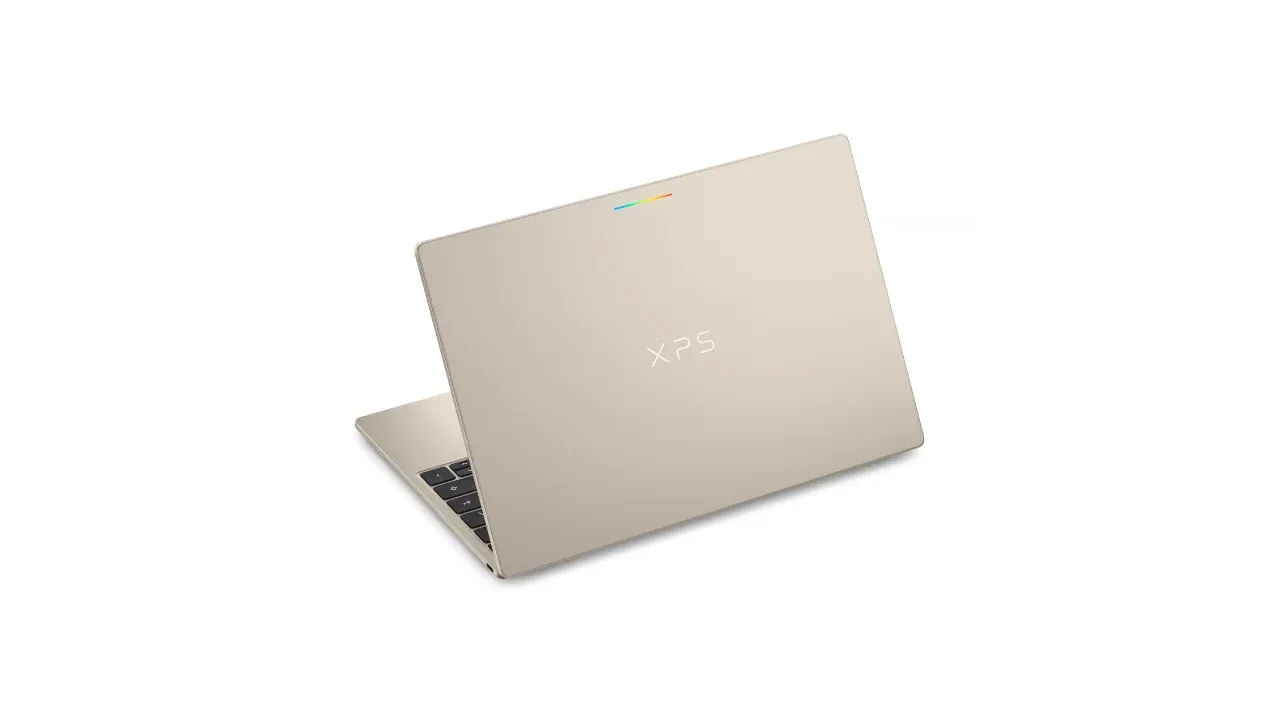
Physically, the laptop utilizes a premium aluminum chassis that weighs 2.2lbs and measures 12.7mm in thickness. The display covers 100% of the DCI-P3 color gamut and reaches 500 nits of brightness. A unique hardware element, the "Glowbar," is located on the laptop lid to serve as a visual indicator for battery life and charging status. Regarding power efficiency, Dell reports the device can provide up to 16 hours of Netflix streaming on a single charge, based on internal testing conducted in August 2026 using a Snapdragon X Elite processor, 2.5K LCD, 16GB of memory, and a 512GB SSD.
Key Takeaways
- The XPS Googlebook is the first Dell laptop designed specifically for Gemini Intelligence and features a "Magic Pointer" to activate AI via cursor movement.
- Hardware is powered by the Snapdragon X Elite processor with up to 32GB of LPDDR5X memory and a dedicated NPU for on-device processing.
- The device offers deep Android integration, allowing for direct file access and app usage without additional installations.
TechInsyte's Take
In our view, Dell’s launch of the XPS Googlebook is a calculated move to capitalize on the "agentic AI" trend by moving intelligence from the cloud directly onto the edge. By tying the XPS brand to the Googlebook platform and Snapdragon silicon, Dell is not just selling a laptop; they are selling a specialized node within a larger, interconnected mobile ecosystem. This strategy suggests that the future of premium enterprise and prosumer hardware may lie in how effectively a device can act as a seamless extension of a user's mobile identity. If the integration between Gemini and Android signals as fluid as Dell claims, this could force a shift in how hardware manufacturers approach cross-platform continuity. We are watching closely to see if the "proactive" background AI features can deliver actual utility or if they will become another layer of digital noise.
Questions & Answers
How does the XPS Googlebook facilitate seamless transitions between mobile and desktop workflows?
The device utilizes deep Android synchronization, allowing users to search and insert phone files and photos directly into the laptop without duplication. It also maintains notification and app context alignment across devices and enables native Android app access without extra installs.
What specific hardware enables the device's AI capabilities?
The XPS Googlebook is powered by the Snapdragon X Elite processor, which includes a dedicated Neural Processing Unit (NPU) designed for fast, on-device processing to support Gemini Intelligence.
What are the primary physical and display specifications of the new XPS model?
The laptop features a 2.2lb aluminum chassis that is 12.7mm thin. It includes a 2.5K InfinityEdge touch display with 500 nits of brightness, 100% DCI-P3 color coverage, and a variable refresh rate between 30Hz and 120Hz.
What is the pricing and availability for the XPS Googlebook?
The XPS Googlebook starts at $999. It is currently available at Best Buy and Google Stores, with availability on Dell.com expected in October.
Source: DELL