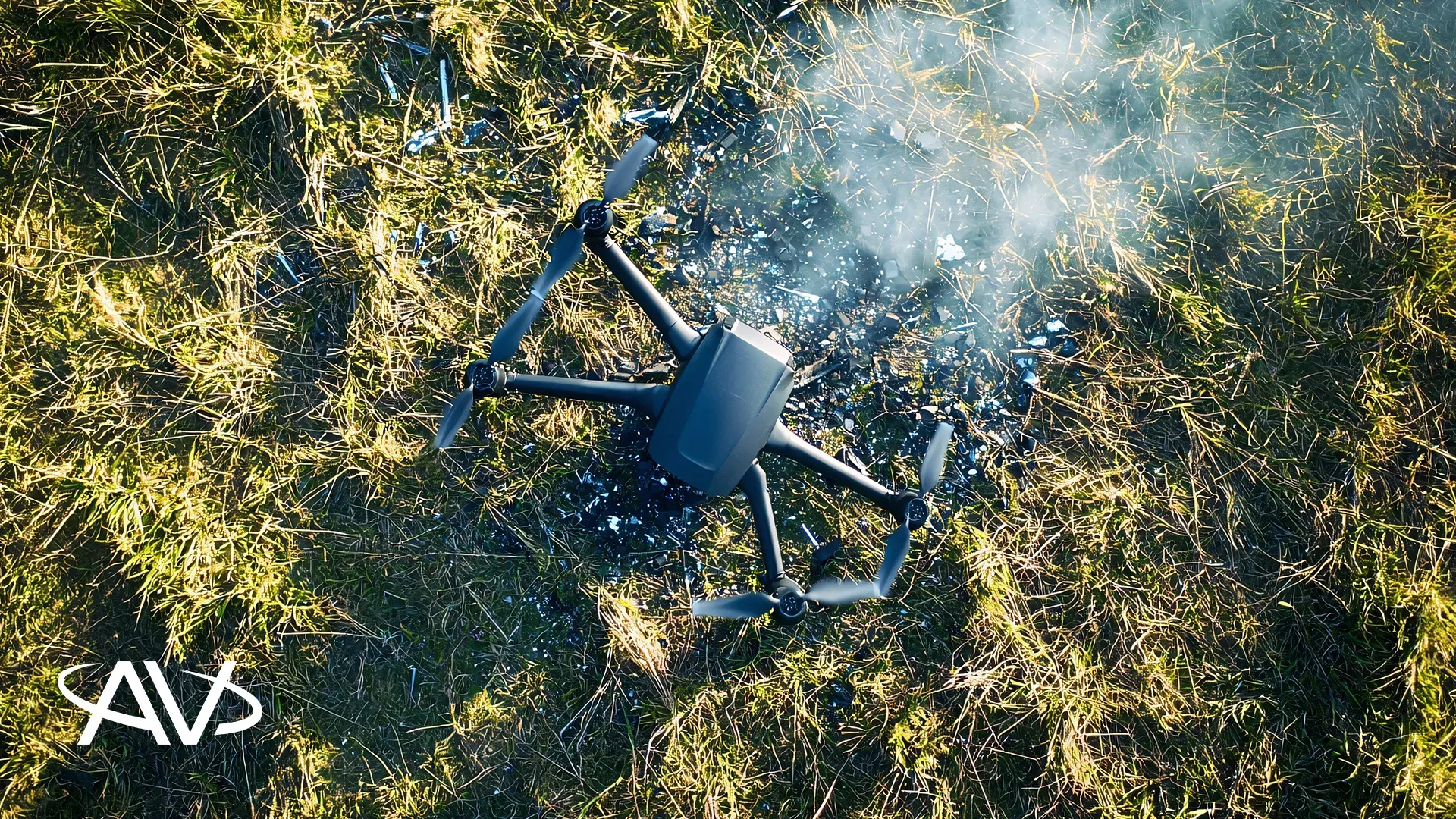
AeroVironment, Inc. (NASDAQ: AVAV) secured a three‑year, $500 million Indefinite Delivery, Indefinite Quantity (IDIQ) contract to supply Counter‑Unmanned Aircraft Systems (C‑UAS) and Counter‑Small UAS (C‑sUAS) solutions to the Department of War (DoW) under the Joint Interagency Task Force 401 (JIATF‑401) Domestic Shield Program. The award, announced July 1, confirms DoW’s confidence in AeroVironment’s technology and positions the company as a key partner in expanding domestic counter‑drone defenses.
Sole‑Source Contract Provides Full‑Spectrum Counter‑UAS Capabilities
Under the sole‑source IDIQ, AeroVironment will deliver a suite of C‑UAS and C‑sUAS capabilities for force protection, base defense, and counter‑UAS operations. The contract supports the Domestic Shield Program’s goal of expanding defensive perimeters, streamlining threat identification, and strengthening interagency data sharing. The DoW’s July 1 announcement follows JIATF‑401’s April commitment of over $600 million to enhance counter‑UAS capabilities for Operation Epic Fury and homeland defense.
AV_Halo™: The Integration Layer Behind the Solution
AeroVironment’s core offering is AV_Halo™, a modular, AI‑powered software suite that serves as the integration layer between sensors, platforms, and operators. AV_Halo™ enables seamless interoperability with third‑party technologies, command‑and‑control systems, and emergency response networks. The company’s architecture delivers persistent detection, tracking, identification, and defeat across military installations, critical infrastructure, and contested environments. With a national manufacturing footprint and a robust innovation pipeline, AeroVironment claims it can provide operational advantage today while shaping future autonomous warfare.
Implications for Enterprise Buyers and Contractors
The award underscores the growing demand for integrated counter‑UAS solutions that combine detection, identification, and defeat in a single platform. Enterprise buyers in defense, critical infrastructure, and homeland security can look to AeroVironment’s layered portfolio as a model for rapid deployment and scalability. The contract also signals that DoW favors vendors capable of delivering end‑to‑end solutions with proven field performance and a clear path to domestic manufacturing.
Market Signal: Accelerated Investment in Domestic Counter‑UAS
JIATF‑401’s record‑pace investment—over $600 million in April—paired with AeroVironment’s $500 million IDIQ illustrates a broader shift toward proactive, scalable domestic counter‑UAS postures. The focus on layered defense, interagency data sharing, and contractor support reflects an evolving threat landscape where rapid, integrated responses are essential. This trend is likely to influence procurement strategies across federal agencies and private sector partners seeking resilient drone defense capabilities.
Key Takeaways
- AeroVironment secured a $500 million, three‑year IDIQ to supply C‑UAS and C‑sUAS solutions under JIATF‑401’s Domestic Shield Program.
- The contract relies on AV_Halo™, an AI‑powered integration layer that connects sensors, platforms, and operators for persistent detection and defeat.
- JIATF‑401’s April commitment of over $600 million to counter‑UAS capabilities signals a national push toward proactive, scalable domestic drone defense.
TechInsyte's Take
In our view, AeroVironment’s award demonstrates that the federal procurement ecosystem is increasingly valuing vendors who can deliver integrated, AI‑driven counter‑UAS architectures with proven field performance and domestic manufacturing capacity. The contract’s scale and duration suggest DoW’s intent to embed these capabilities across a broad range of installations, creating a long‑term demand pipeline for similar solutions. For enterprise buyers, the announcement signals that investment in modular, interoperable counter‑UAS platforms—especially those that can integrate with existing command‑and‑control and emergency response networks—will remain a priority. The move also highlights the importance of maintaining a robust innovation pipeline to keep pace with rapidly evolving drone threats, both domestically and abroad.
Source: Businesswire