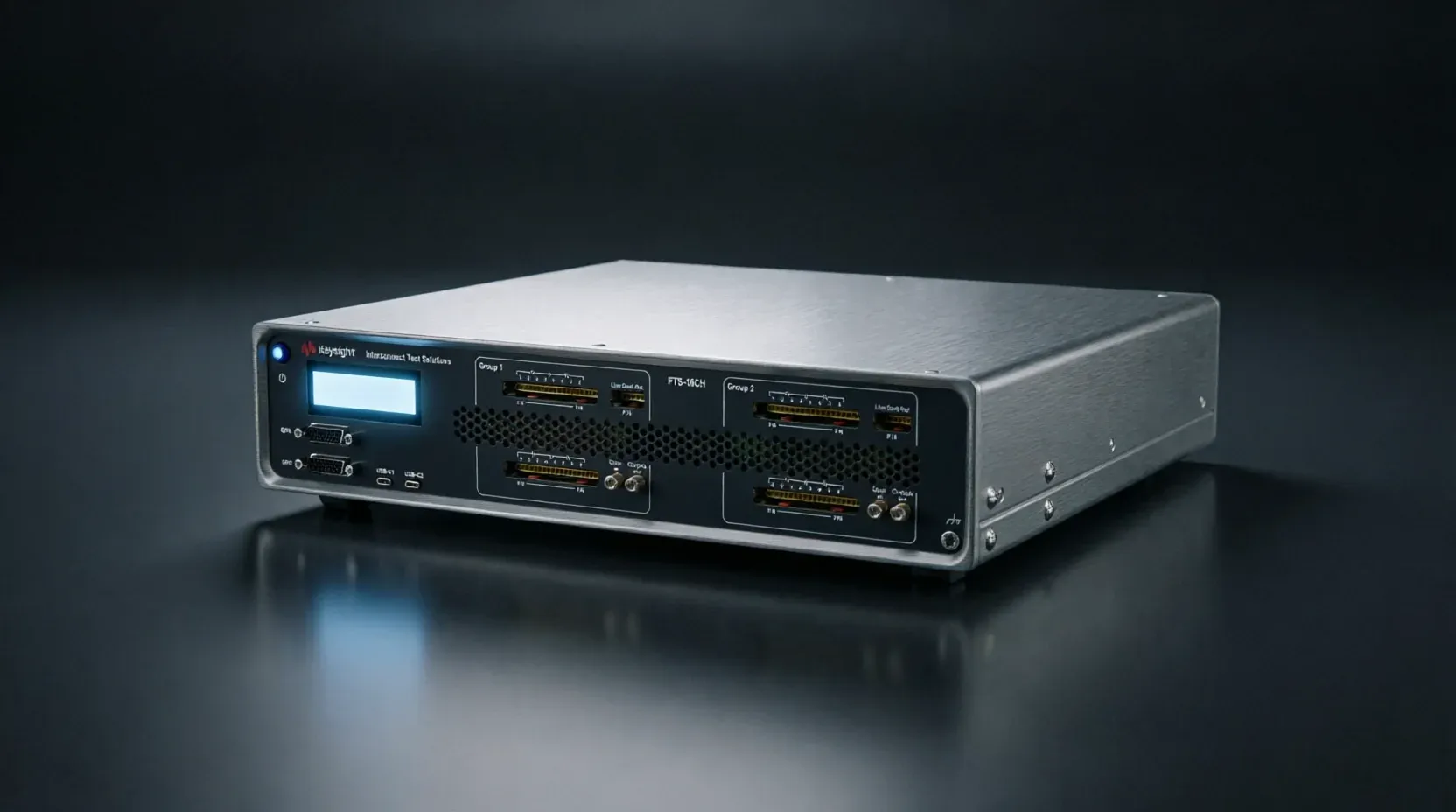
The push for more efficient data center connectivity is gaining momentum as the Active Copper Cable Multi-Source Agreement (ACC-MSA) group successfully completed its first industry interoperability tests. By demonstrating that 200Gbps per lane solutions can function across a multi-vendor environment, the consortium is attempting to break the reliance on proprietary or single-source hardware. This milestone targets the massive scaling requirements of AI and high-performance computing, where power efficiency and latency are becoming critical bottlenecks for enterprise infrastructure.
ACC-MSA Plug Fest Validates Multi-Vendor Ecosystem
The recent interoperability event, or "plug fest," brought together nine participating companies to test the seamless operation of linear equalizer-based Active Copper Cable (ACC) solutions. The testing validated connectivity across a diverse supply chain, including cable manufacturers, semiconductor suppliers, network switches, and test equipment platforms. This successful demonstration suggests that the ACC-MSA specifications can effectively support a robust, open ecosystem. By proving that hardware from different vendors can communicate at 200Gbps per lane, the consortium is positioning ACC technology as a viable, standardized alternative for next-generation high-speed networking. This development is particularly relevant as the group expands, recently welcoming seven new members including Marvell, Accton, and FIT (Foxconn Interconnect Technologies) to its growing list of industry participants.
Technical Advantages of Linear Equalizer-Based ACC
The strategic shift toward ACC technology is driven by the specific performance limitations of existing high-speed interconnects. According to the ACC-MSA, linear equalizer-based ACC technologies offer significantly lower power consumption, lower latency, and reduced costs compared to traditional retimed DSP-based active cables or optical solutions in 200Gbps per lane applications. As AI and cloud infrastructure demand higher throughput, the ability to maintain signal integrity without the power overhead of Digital Signal Processing (DSP) becomes a significant architectural advantage. The consortium is defining these interoperability requirements to ensure that as data center speeds increase, enterprises can mix and match components from various providers—such as founding members NVIDIA, Broadcom, and Cisco—without risking hardware incompatibility or performance degradation in their high-performance computing environments.
Key Takeaways
- The ACC-MSA successfully completed its first interoperability tests, validating 200Gbps per lane ACC solutions in a multi-vendor environment.
- Linear equalizer-based ACC technology is positioned to provide lower power consumption, lower latency, and lower costs than DSP-based or optical solutions.
- The consortium is expanding its industry footprint, recently adding seven new members including Marvell, Accton, and FIT.
TechInsyte's Take
In our view, the successful validation of 200Gbps per lane interoperability is a direct response to the "power wall" facing modern AI data centers. As enterprises race to deploy massive GPU clusters, the energy cost of moving data via optical or DSP-heavy cables becomes a primary operational concern. By standardizing linear ACC technology, the ACC-MSA is attempting to commoditize high-speed copper interconnects. This signals a shift toward a more modular infrastructure model, where CIOs can avoid vendor lock-in and optimize for power efficiency. If the consortium maintains this momentum, ACC could become the preferred interconnect for short-reach, high-density AI workloads.
Questions & Answers
How does ACC technology compare to optical or DSP-based solutions for 200Gbps applications?
ACC technology, specifically using linear equalizers, is designed to offer significantly lower power consumption, lower latency, and lower costs than retimed DSP-based active cables or optical solutions at 200Gbps per lane.
What was the primary outcome of the ACC-MSA's first interoperability event?
The event validated that 200G per lane ACC solutions based on ACC-MSA specifications can operate seamlessly across a multi-vendor environment involving cable, semiconductor, switch, and test equipment providers.
Which major industry players are involved in the ACC-MSA consortium?
The consortium includes founding members such as NVIDIA, Broadcom, AMD, Cisco, Google, and Dell Technologies, and has recently expanded to include members like Marvell and Accton.
What specific infrastructure sectors is this technology targeting?
The ACC-MSA is developing specifications to support the rapidly growing connectivity demands of AI, cloud computing, and high-performance computing (HPC) environments.
Source: ACC-MSA