
XCENA announced a $135 million Series B financing round, bringing total capital raised to $185 million and valuing the company at $570 million. The funding is earmarked for global expansion, scaling customer deployments, and advancing its MX1 computational memory solution—an effort directly relevant to enterprises building AI‑intensive infrastructure.
XCENA Announces $135M Series B Funding
The round was co‑led by Atinum Investment and IMM Investment, with participation from a mix of new and existing investors, including SBI Investment, Mirae Asset Capital, STIC Ventures, and Korea Development Bank, among others. XCENA’s CEO and co‑founder Jin Kim said the capital will help “accelerate delivery of MX1 into emerging AI infrastructure ecosystems and advancing the next wave of memory‑centric computing systems.” The company did not disclose further details in the announcement.
Series B Funding Targets Global Expansion and MX1 Deployment
XCENA plans to use the proceeds to scale MX1 deployments worldwide, broaden go‑to‑market capabilities, and deepen collaborations with enterprise customers and ecosystem partners through validation efforts. The firm is expanding its presence in Northern California to work more closely with hyperscalers, technology partners, and customers. It also indicated ongoing discussions with additional international institutional investors for future fundraising. No further specifics on timelines or allocation percentages were provided.
Implications for AI Infrastructure Deployments
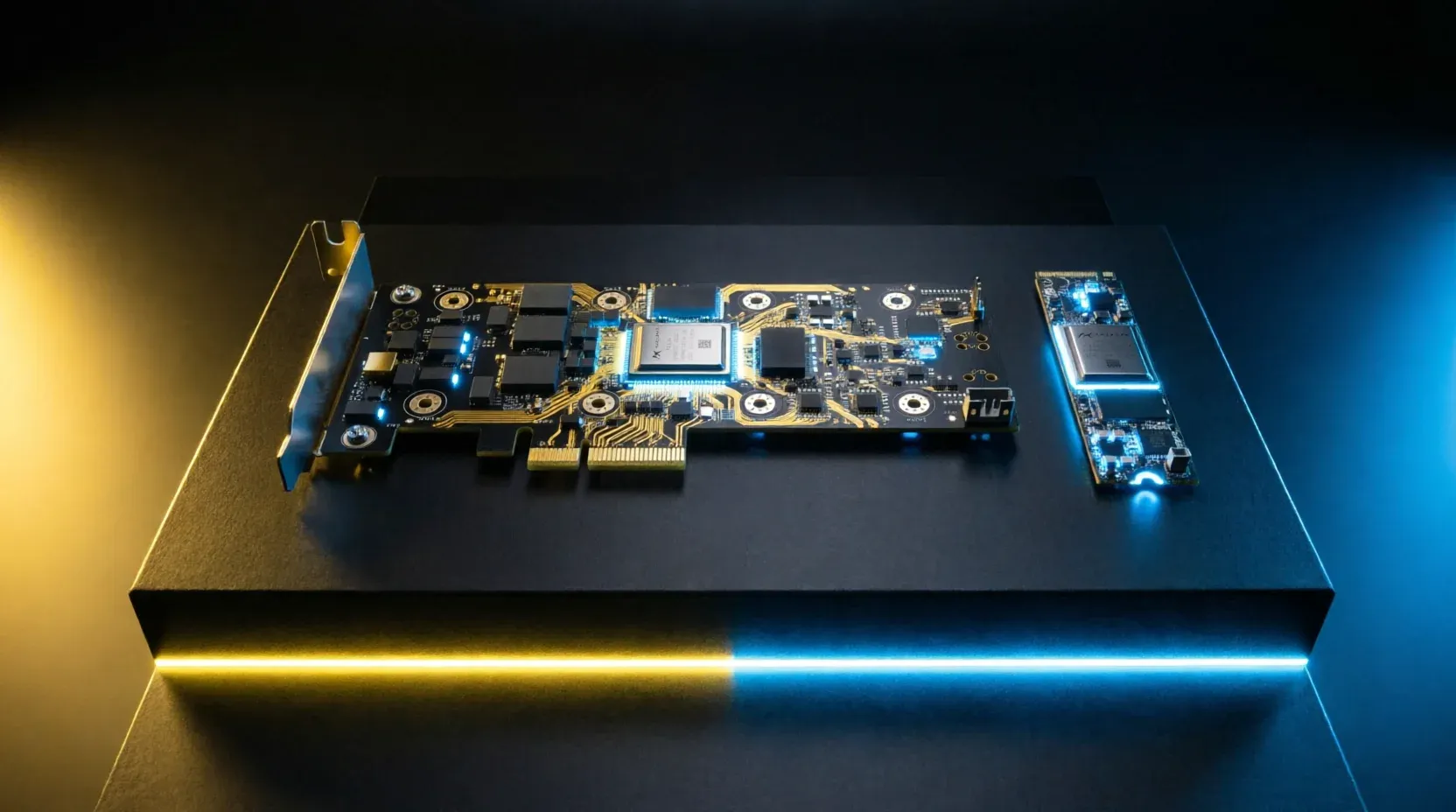
XCENA’s MX1 product, built on the open Compute Express Link (CXL 3.x) standard, combines pooled DDR5 memory with near‑data processing cores to reduce latency and energy use. The company claims MX1 is being explored with select partners to validate performance gains and system‑level efficiency improvements for high‑demand compute workloads. While the announcement highlights potential benefits for AI and high‑performance computing applications, concrete performance metrics were not disclosed.
Key Takeaways
- XCENA closed a $135 million Series B round, bringing total funding to $185 million and valuing the company at $570 million.
- The financing is intended to scale global MX1 deployments, expand go‑to‑market efforts, and accelerate development of next‑generation computational memory products.
- MX1 leverages CXL 3.x to integrate high‑capacity DDR5 memory with near‑data processing, aiming to reduce latency and energy consumption in AI workloads.
TechInsyte's Take
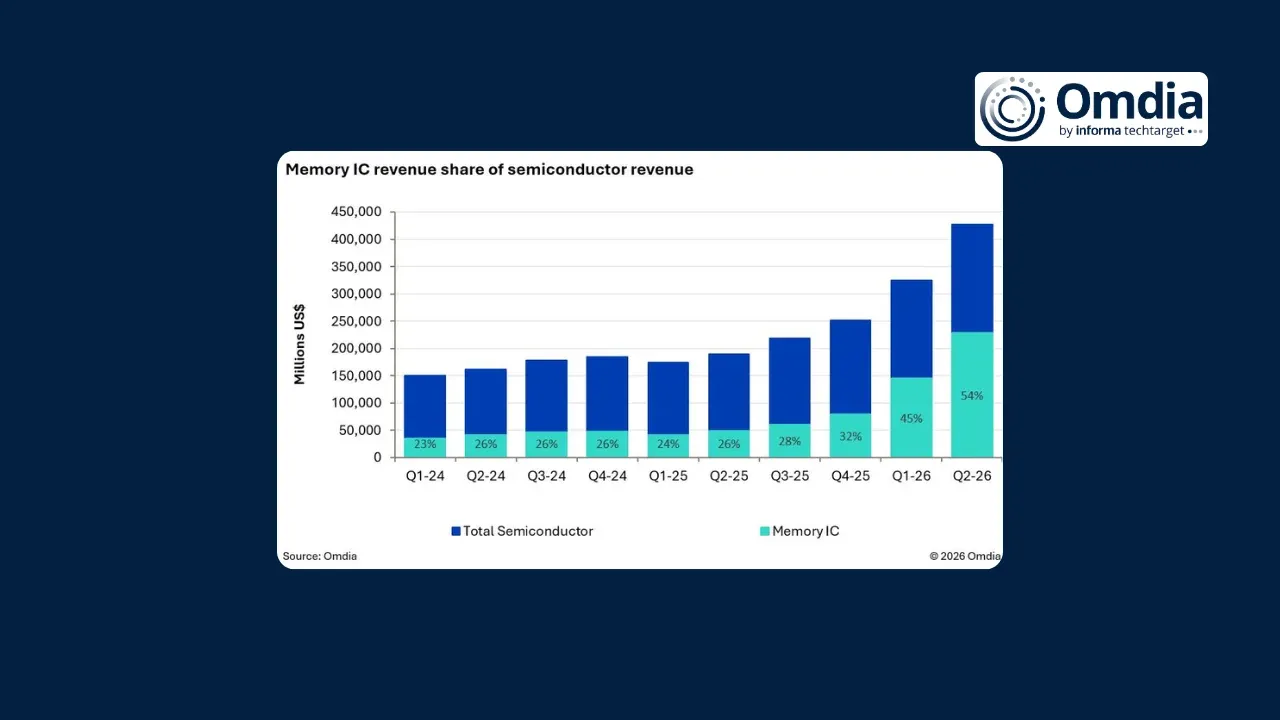
The infusion of capital underscores growing investor confidence in memory‑centric architectures as a response to AI’s rising memory demands. Enterprises should monitor XCENA’s validation results and the pace of MX1’s market rollout, while noting that performance claims remain unquantified and broader adoption timelines are still uncertain.
Source: Businesswire