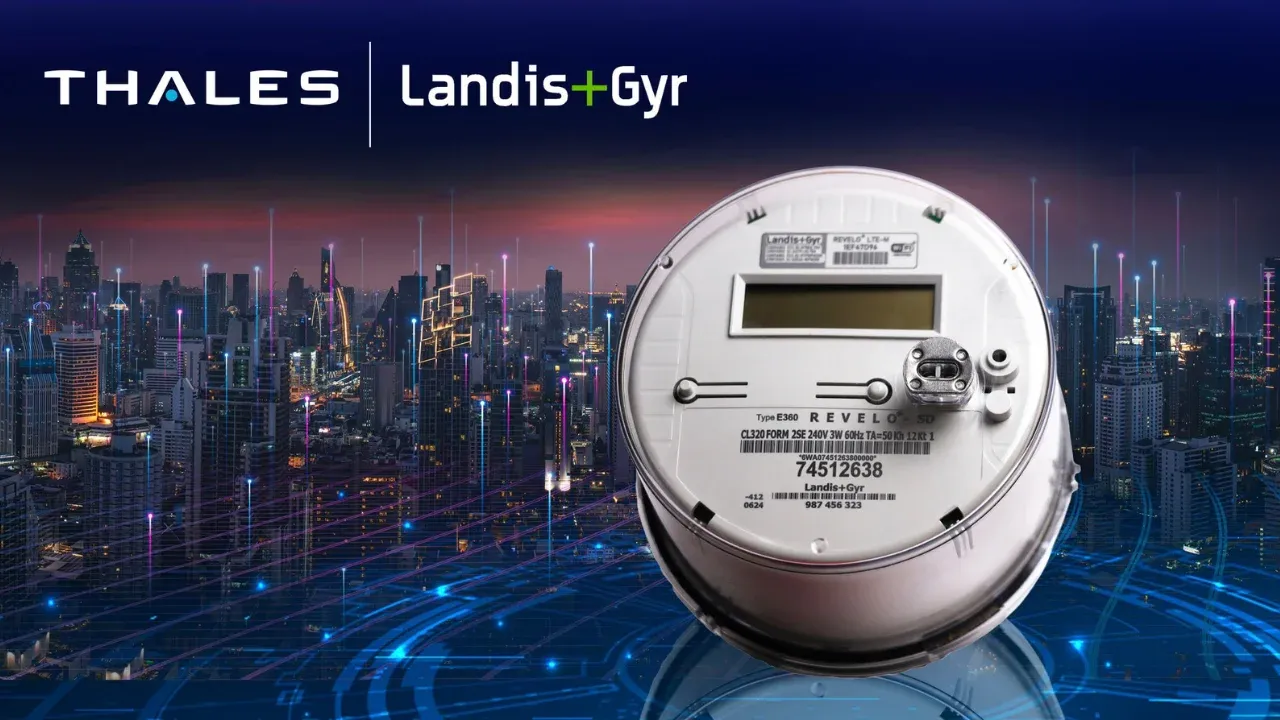
The push to modernize aging energy infrastructure is driving a massive surge in cellular IoT demand, forcing utilities to find ways to manage millions of remote assets without constant physical intervention. Thales and Landis+Gyr have announced a strategic collaboration to address this through secure, scalable cellular connectivity for smart meter deployments across North America. By integrating Thales’ eSIM technology and advanced IoT connectivity management with Landis+Gyr’s energy management platforms, the partnership aims to simplify the remote lifecycle management of smart meter fleets. This development arrives as the North American smart electricity meter installed base is projected by Berg Insight to grow from 152.4 million in 2024 to 180.9 million by 2030, creating a critical need for flexible, over-the-air connectivity solutions.
Thales eSIM Integration for Landis+Gyr Platforms
The collaboration focuses on providing utilities with the ability to manage connectivity remotely, reducing the operational burden of manual hardware updates. Thales is supplying eSIM technology that complies with the GSMA's SGP.32 specification, a standard that allows network profiles to be provisioned, changed, or managed over the air. This capability is being integrated into Landis+Gyr’s Revelo® and Surent® platforms, allowing customers to adjust their network approach as requirements evolve without the need to swap out physical hardware in the field.
To provide a centralized operational view, the solution incorporates Simetric’s “single pane of glass” platform. This enables utilities to monitor, manage, and orchestrate large-scale deployments through a unified interface. The architecture is designed to support both SIM- and eSIM-enabled devices, ensuring that utilities can maintain a consistent view of network operations across a heterogeneous fleet. By moving toward this model, the companies suggest that utilities can transition from basic connectivity management to intelligent orchestration, ensuring meters remain connected to the appropriate networks throughout their operational lifecycles. This approach aims to strengthen infrastructure resilience and maintain service continuity as network conditions change.
Scaling Connectivity for Massive IoT Deployments
As utility networks expand, the complexity of managing millions of connected devices increases the risk of operational silos and high maintenance costs. Landis+Gyr currently serves more than 2,000 utilities globally and manages over 180 million connected intelligent devices. The Thales-led connectivity solution is positioned to handle this scale by leveraging automation and real-time control. Thales, which supports more than 450 mobile network operators and 200 OEMs, is utilizing its GSMA eSA certification for SGP.32 to ensure the security of these eSIM deployments in critical smart energy environments.
The strategic motivation behind this partnership is to turn connectivity into a manageable operational asset rather than a static hardware requirement. For enterprise IT and utility leaders, the ability to provision or change network profiles remotely via the SGP.32 standard means that a single meter deployment can adapt to different cellular carriers or network technologies over time. This flexibility is intended to mitigate the risk of technological obsolescence, as utilities can update connectivity parameters via software rather than deploying field technicians to replace physical SIM cards. This shift is particularly relevant for the massive IoT growth expected in the North American energy sector over the next six years.
Key Takeaways
- The partnership integrates Thales eSIM technology and Simetric’s management platform into Landis+Gyr’s Revelo® and Surent® platforms.
- The solution utilizes the GSMA SGP.32 specification to enable remote, over-the-air provisioning and management of network profiles.
- North American smart electricity meter installations are expected to increase from 152.4 million in 2024 to 180.9 million by 2030.
TechInsyte's Take
In our view, this collaboration highlights a critical shift in how industrial IoT infrastructure must be architected to survive long-term deployment cycles. For utilities, the primary bottleneck in smart meter scaling is not just the initial installation, but the "tail" of long-term maintenance and network evolution. By leveraging the SGP.32 standard, Thales and Landis+Gyr are attempting to decouple the physical meter from the specific cellular carrier, effectively future-proofing the hardware against shifting telecommunications landscapes. This signals that for massive IoT deployments to be economically viable, connectivity can no longer be treated as a "set and forget" component. Instead, it must be treated as a software-defined service that can be orchestrated centrally. If successful, this model could set a standard for other critical infrastructure sectors where the cost of physical field interventions is prohibitively high.
Questions & Answers
How does the SGP.32 specification change the management of smart meter fleets?
The SGP.32 specification allows for the remote provisioning, changing, and management of network profiles over the air. This enables utilities to update or switch cellular connectivity settings for individual meters or entire fleets without requiring physical SIM card replacements or field technician visits.
Which Landis+Gyr platforms will support this new connectivity solution?
The connectivity capabilities provided by Thales are intended to become part of Landis+Gyr’s Revelo® and Surent® platforms, allowing customers to choose and adjust their network approach as their needs evolve.
Can the solution manage a mix of different device types?
Yes. The solution is designed to support both SIM-enabled and eSIM-enabled devices, providing a unified view of network operations across the entire fleet regardless of the specific technology deployed in each meter.
What is the projected growth for smart meter deployments in North America?
According to Berg Insight, the installed base of smart electricity meters in North America is expected to grow from 152.4 million in 2024 to 180.9 million by 2030.
Source: Thales