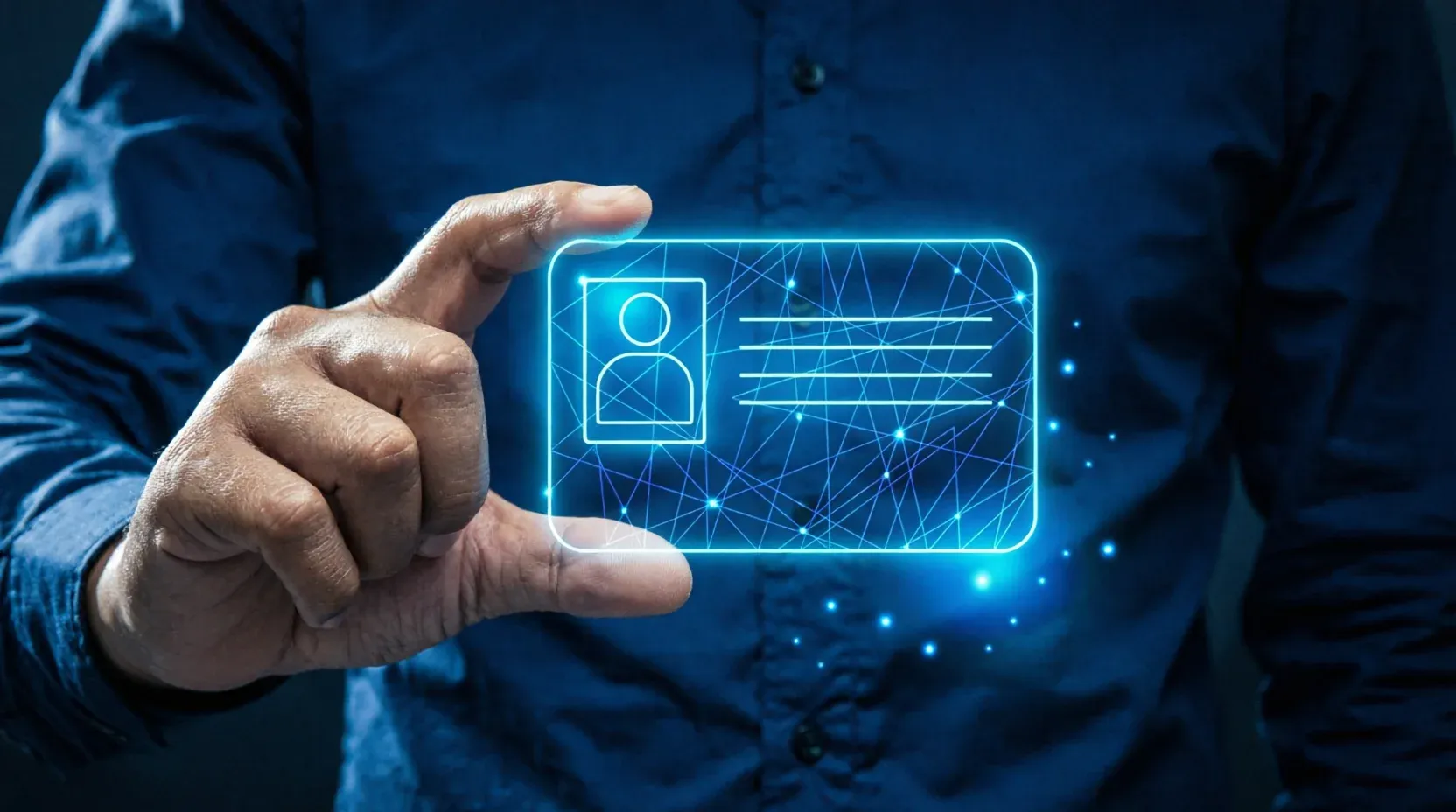
The regulatory landscape for digital identity has shifted, enabling a transition from physical document photography to cryptographic mobile verification. Socure is positioning itself to capture this transition by adding mobile driver’s license (mDL) verification to its DocV identity product. This move follows a joint announcement from FinCEN, the Federal Reserve Board, FDIC, OCC, and NCUA, which confirmed that unexpired, government-issued verifiable digital credentials can satisfy Customer Identification Program (CIP) requirements. By enabling organizations to verify mDLs presented from Google Wallet and Samsung Wallet, Socure is attempting to bridge the gap between regulatory allowance and scalable, remote enterprise deployment for high-assurance identity workflows.
Cryptographic Validation via Google and Samsung Wallets
Socure is introducing a verification method that moves beyond the traditional practice of photographing physical plastic cards. The new capability within the DocV product allows organizations to verify mDLs cryptographically against the issuing state authority. This process specifically supports remote presentation—a capability that has seen uneven support across mobile wallets—by leveraging the ISO/IEC 18013 standard. When a user presents a credential from Google Wallet or Samsung Wallet, Socure performs a cryptographic check to ensure the state DMV issued the credential and that the data remains unaltered.
This technical approach addresses a critical friction point in remote onboarding. Instead of relying on image capture, which is prone to upload errors and retakes, the system verifies the digital credential in seconds. Socure is not positioning this as a replacement for physical document capture but as a secondary, high-assurance path. The company is layering this cryptographic foundation with device, behavioral, and identity intelligence. This multi-layered strategy aims to meet the "reasonable belief" standard required by regulators, ensuring that the person presenting the digital credential is indeed the legitimate owner.
Scaling Digital Identity Infrastructure
The timing of this launch aligns with significant projected growth in the U.S. digital credential market. According to ABI Research, the U.S. mDL install base is expected to expand from 21.7 million in 2025 to 143 million by 2030, with 40 states expected to issue digital licenses. Currently, 21 states issue mDLs conforming to the ISO/IEC 18013 standard, representing over 8 million active credentials. With approximately 45% of Americans living in jurisdictions where mDLs are available, the infrastructure for mobile-native identity is rapidly maturing.
Beyond the private sector, Socure is extending its reach into government services through a partnership with Xcelerate Solutions. This supports public sector use cases under the Login.gov Next Generation Identity Proofing Blanket Purchase Agreement. Operating within a FedRAMP Moderate environment, this capability allows government agencies to verify state-issued digital credentials. This dual-track expansion into both highly regulated financial services and public sector identity proofing suggests a broader effort to standardize how digital credentials are utilized for remote onboarding, account claims, and citizen services.
Key Takeaways
- FinCEN and other federal regulators confirmed that unexpired, government-issued verifiable digital credentials can qualify as documentary evidence under the Customer Identification Program Rule.
- Socure’s DocV now supports remote mDL presentation from Google Wallet and Samsung Wallet, utilizing cryptographic validation to verify credentials against issuing state authorities.
- ABI Research projects the U.S. mDL install base will grow from 21.7 million in 2025 to 143 million by 2030.
TechInsyte's Take
In our view, Socure is moving aggressively to commoditize the "reasonable belief" standard required by federal regulators. While the regulatory guidance provides the legal permission to use mDLs, it places the technical burden of proof squarely on the institution. By integrating cryptographic validation with behavioral and device intelligence, Socure is attempting to turn a complex compliance requirement into a seamless user experience. This is a strategic play to capture the massive projected growth in the mDL market, moving from 21.7 million users to 143 million by 2030. For enterprise leaders, the value proposition isn't just about replacing plastic IDs; it is about reducing the abandonment rates associated with traditional document uploads while simultaneously hardening defenses against sophisticated digital fraud.
Questions & Answers
How does the new mDL verification satisfy federal regulatory requirements?
The verification process utilizes cryptographic validation to ensure the credential was issued by a state DMV and has not been altered. By layering this with device, behavioral, and identity intelligence, Socure aims to help institutions meet the "reasonable belief" standard mandated by the joint guidance from FinCEN, the Federal Reserve, FDIC, OCC, and NCUA.
What is the primary technical difference between traditional ID verification and this mDL integration?
Traditional verification often relies on capturing and analyzing a photograph of a physical ID, which is susceptible to upload errors and fraud. The mDL integration allows for cryptographic verification of a digital credential presented from a mobile wallet (Google or Samsung), verifying the data directly against the issuing state authority.
Which mobile wallets are currently supported for remote mDL presentation?
Socure’s DocV product currently supports remote presentation from Google Wallet and Samsung Wallet, enabling organizations to verify credentials during online onboarding or step-up flows.
What is the projected market scale for mobile driver's licenses in the United States?
According to ABI Research, the U.S. mDL install base is projected to grow from 21.7 million in 2025 to 143 million by 2030, with 40 states expected to issue digital licenses.
Source: Socure