QumulusAI (Nasdaq: QMLS) has entered a strategic agreement with an agentic hedge fund to provide specialized compute resources. This partnership utilizes QumulusAI’s self-hosted, sovereign compute environment to support the fund's continuous trading operations. Notably, the deal introduces a novel monetization model that combines standard market-rate compute pricing with a direct share of the customer's quarterly trading profits.
Agentic Hedge Fund Blackwell GPU Deployment
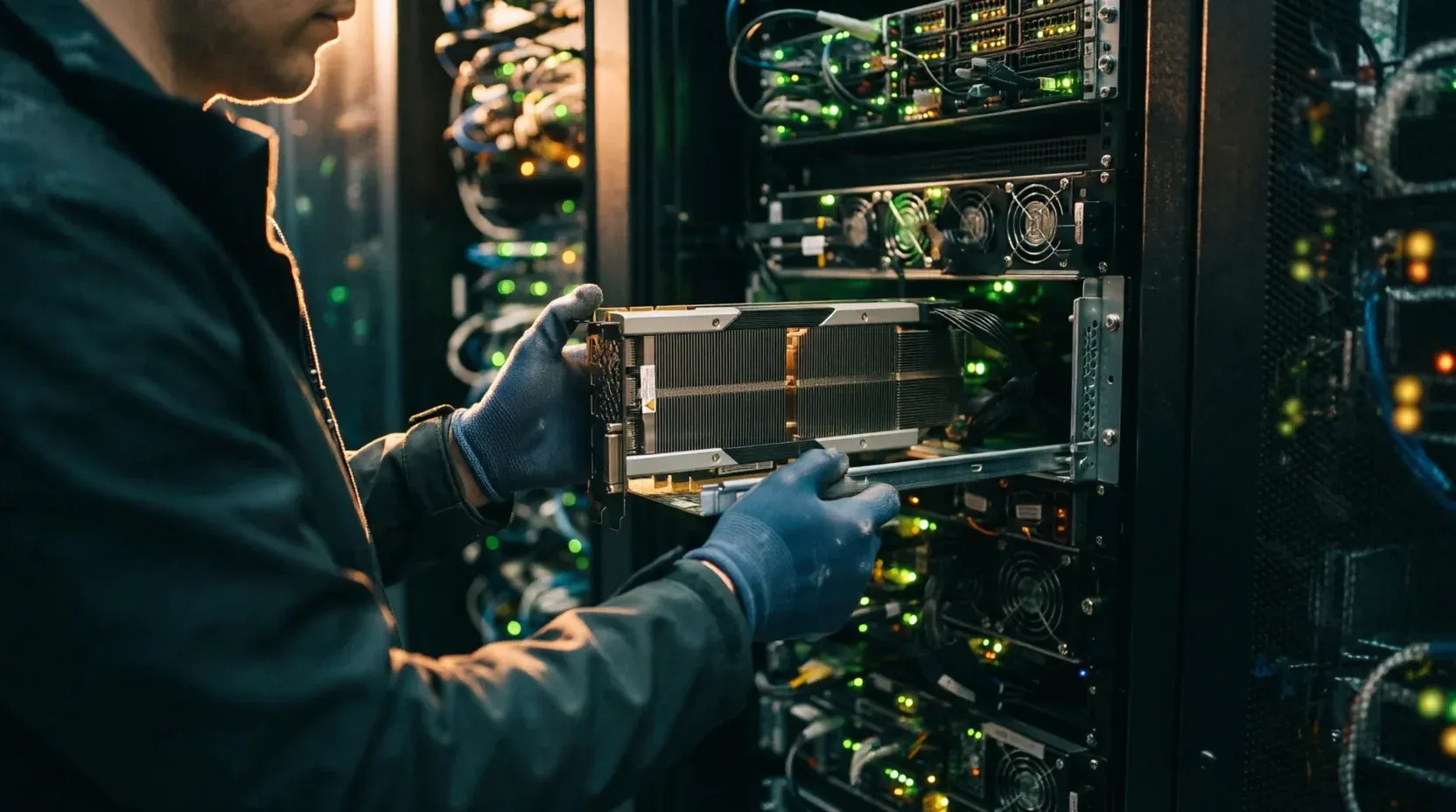
The client, a fully agentic hedge fund, utilizes specialized AI agents to discover, test, validate, and deploy trading strategies using live capital. These operations run around the clock, requiring high-performance infrastructure. To meet these demands, the fund will utilize NVIDIA Blackwell GPU capacity hosted within QumulusAI’s sovereign compute environment. This setup ensures the infrastructure can keep pace with financial markets that move in milliseconds. Unlike traditional fixed-value, take-or-pay contracts, this specific agreement allows revenue to fluctuate based on both the compute consumed and the trading performance generated within a defined profit-sharing threshold.
New Monetization Strategy for Reserve Capacity
This agreement marks the first deployment of a new monetization strategy for QumulusAI’s reserve NVIDIA Blackwell GPU capacity. The structure is designed to capture additional economic value by pairing market-rate compute revenue with a percentage of the fund's quarterly trading profits. Crucially, QumulusAI maintains no exposure to the fund's trading losses, mitigating downside risk while participating in upside performance. While management notes there is no assurance this strategy will improve overall profitability, they believe it has the potential to increase the long-term economic value generated from their existing reserve capacity through this performance-linked revenue model.
Key Takeaways
- QumulusAI is providing NVIDIA Blackwell GPU capacity to a fully agentic hedge fund.
- The deal utilizes a hybrid revenue model consisting of market-rate compute fees and a share of quarterly trading profits.
- QumulusAI retains no exposure to the customer's trading losses under this specific agreement.
TechInsyte's Take
In our view, this move signals a sophisticated shift in how neocloud providers can monetize high-demand AI hardware. By moving beyond rigid "take-or-pay" contracts toward performance-linked revenue, QumulusAI is effectively acting as a strategic partner rather than a mere utility. This approach allows them to capture the massive economic upside of agentic AI workflows without assuming the inherent financial risks of the underlying trading activities.
Questions & Answers
How does this agreement differ from QumulusAI's previous contracts?
Unlike previous fixed-value, take-or-pay agreements, this contract features variable revenue tied to both compute consumption and the fund's quarterly trading performance.
What specific hardware is being utilized for these trading operations?
The hedge fund is utilizing NVIDIA Blackwell GPU capacity within QumulusAI’s self-hosted, sovereign compute environment.
Does QumulusAI share in the financial risks of the hedge fund's trades?
No. The agreement is structured so that QumulusAI receives a share of trading profits but has no exposure to any trading losses.
What is the primary function of the customer's AI agents?
The fund's specialized AI agents are designed to discover, test, validate, and deploy trading strategies using live capital on a 24/7 basis.
Source: BUSINESSWIRE