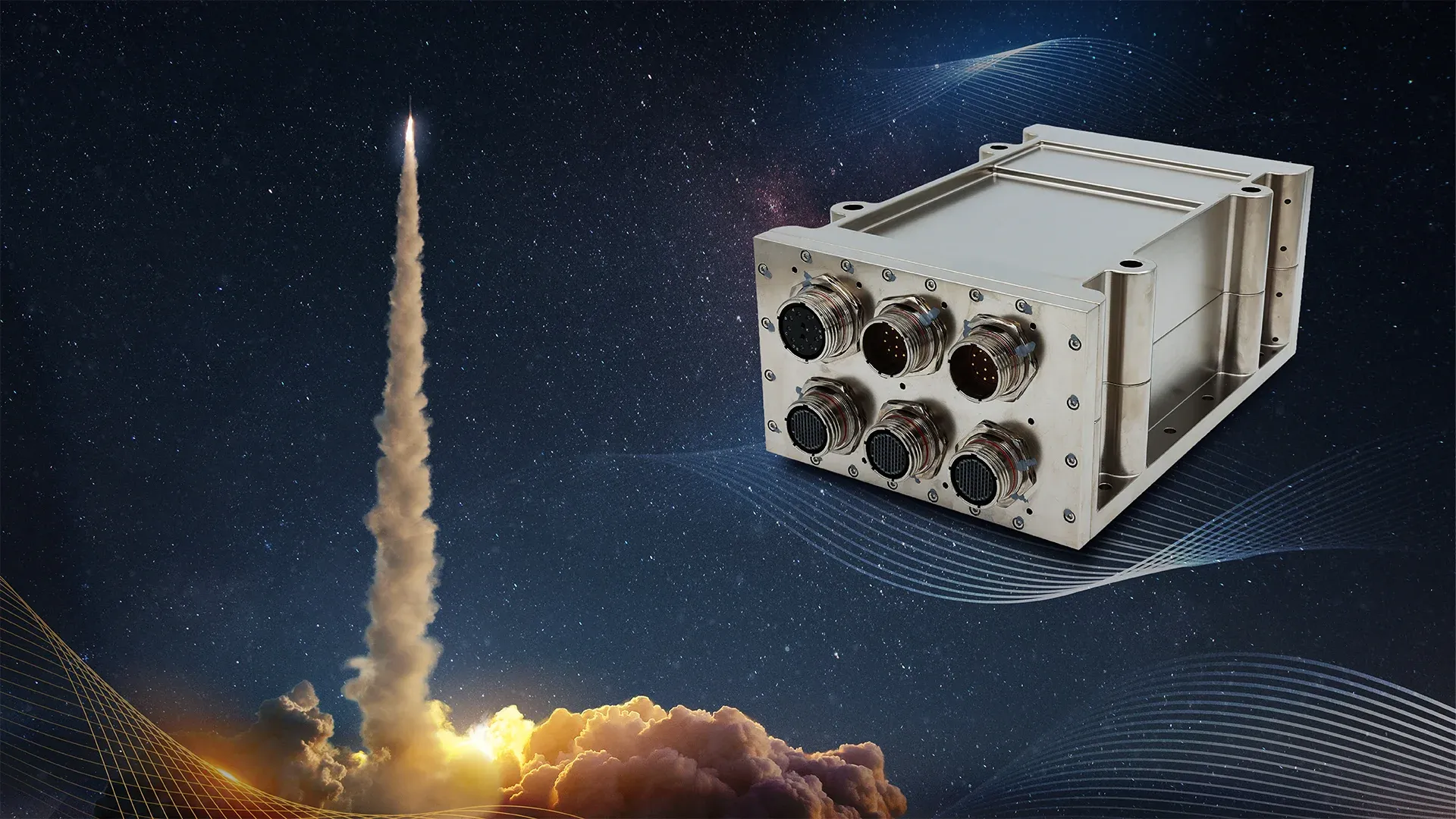
Pacific Defense has successfully launched and initiated the on-orbit performance of its Moonraker payload as part of the Avalon Mission. This deployment marks a significant step in advancing open, reprogrammable, and software-defined capabilities in space. The Moonraker system introduces a mission-flexible radio frequency (RF) capability specifically designed for space situational awareness (SSA) and electromagnetic spectrum operations (EMSO), representing the company's first deployment of a space-based, reprogrammable RF payload built to adapt to evolving mission requirements and emerging threats.
Moonraker Deployment and Initial On-Orbit Performance
Launched on March 30, 2026, the Avalon Mission serves as the first on-orbit demonstration of the Moonraker payload. Following the launch, the system successfully completed its payload commissioning and functional checkout, which included the first on-orbit collection of IQ data. Additionally, Pacific Defense performed a critical over-the-air (OTA) software update to add new capabilities to the system. With these initial milestones achieved, the payload is now transitioning to active on-orbit operations to perform signal detection and classification.
Modular Open Systems Approach and AFRL Development
The Moonraker payload was developed under a contract with the Air Force Research Lab/Space Vehicles Directorate (AFRL/RJ) through a multi-year, cross-site effort. The development process utilized a Modular Open Systems Approach (MOSA), which Bryan Terlecky, Vice President of Space Systems at Pacific Defense, noted accelerates fielding and enables the adaptability of space solutions. According to Terlecky, this approach is intended to provide the Department of War with a multi-mission, reconfigurable capability to outpace emerging threats.
Cross-Site Engineering and Integration
The development of the payload involved several specialized locations across the United States to ensure comprehensive integration. System design, integration, and testing were conducted in Nashua, New Hampshire, while flight software development took place in Mukilteo, Washington, and Fort Wayne, Indiana. Final payload testing and qualification were completed in El Segundo, California. AFRL/RJ was instrumental in supporting the development and commercialization of the technology leading up to the Avalon Mission. Pacific Defense stated it is now leveraging these multi-domain solutions to accelerate the development of next-generation capabilities to achieve space superiority.
Key Takeaways
- The Moonraker payload launched on March 30, 2026, for space situational awareness and electromagnetic spectrum operations.
- The system successfully executed an over-the-air (OTA) software update and first on-orbit IQ collection.
- Development was conducted via a contract with the Air Force Research Lab/Space Vehicles Directorate (AFRL/RJ) using a Modular Open Systems Approach (MOSA).
TechInsyte's Take
The successful OTA update of the Moonraker payload signals a shift toward software-defined, reprogrammable hardware in space infrastructure. For decision-makers, the focus remains on whether this modular approach can consistently reduce the time between threat detection and capability deployment. Executives should monitor the results of the signal detection and classification phase to gauge the payload's actual operational effectiveness.
Source: Businesswire