
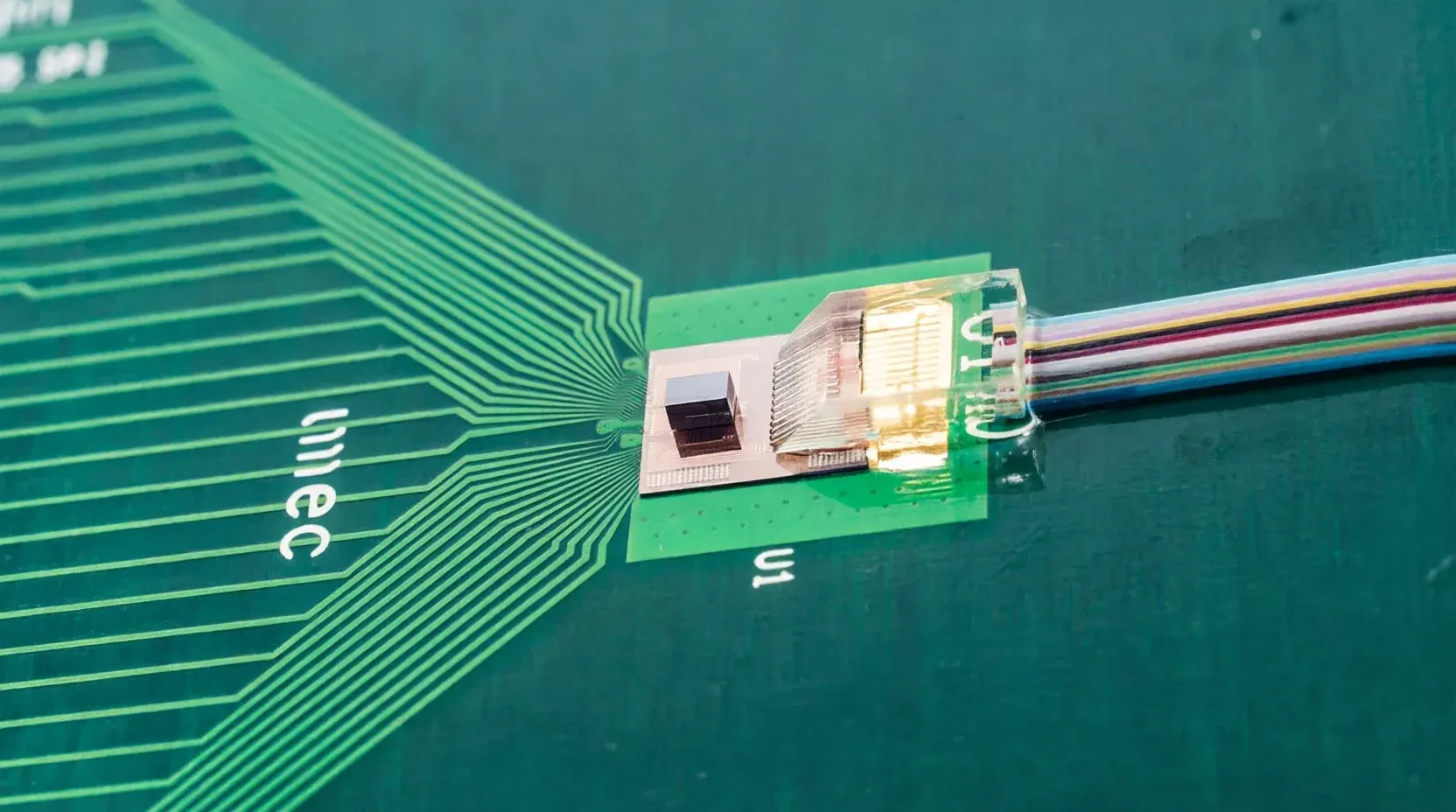
JEDEC is attempting to stabilize the silicon photonics supply chain by introducing the first industry-wide reliability and qualification standard. The new JESD264 specification targets the growing uncertainty surrounding the deployment of optical-electrical integrated chips. By providing a unified framework, the organization aims to mitigate deployment risks for high-speed datacenter, telecommunications, and AI network infrastructures that increasingly rely on these complex photonic chipsets.
JESD264 Framework for Silicon Photonics
The release of JESD264, titled Silicon Photonics Qualification and Reliability Requirements, addresses a critical gap in the transition from research to large-scale deployment. Historically, silicon photonics has lacked a standardized framework for reliability ownership, creating friction between different players in the ecosystem. This new standard establishes a common baseline for testing and manufacturing controls, specifically designed to handle the complexities of integrating lasers, modulators, photodiodes, and passive optical structures on a single chip. By formalizing these protocols, JEDEC intends to provide the consistency required for high-bandwidth applications in AI and cloud computing environments.
Standardizing Component and Assembly Protocols
JESD264 provides specific guidelines for component-level qualification, covering essential elements such as waveguides, modulators, and photodiodes. Beyond individual components, the standard sets clear requirements for assembly processes and the integration of lasers, which are vital for optical functionality. Crucially, the framework attempts to define reliability responsibilities across the entire value chain, including foundries, Outsourced Semiconductor Assembly and Test (OSAT) providers, and system developers. This includes establishing expectations for manufacturing process control and traceability, which the company suggests will help reduce deployment risk for end users and integrators managing complex photonic architectures.
Key Takeaways
- JEDEC released JESD264, the first industry-wide standard for silicon photonics qualification and reliability.
- The standard covers reliability protocols for SiPh dies, integrated chipsets, and specific components like modulators and photodiodes.
- JESD264 establishes reliability responsibilities among foundries, OSATs, and system developers to improve ecosystem consistency.
TechInsyte's Take
In our view, JESD264 is a necessary response to the "wild west" era of silicon photonics integration. As AI workloads demand unprecedented bandwidth, the industry cannot afford the reliability uncertainties inherent in non-standardized optical-electrical integration. By defining clear ownership between foundries and OSATs, JEDEC is attempting to de-risk the procurement process for enterprise IT leaders. This signals that silicon photonics is moving from an experimental technology to a mature, standardized component of the critical digital infrastructure required for next-generation AI networking.
Questions & Answers
How does JESD264 address supply chain uncertainty in silicon photonics?
The standard establishes clearer reliability responsibilities among foundries, OSATs, and system developers, providing a unified framework for qualification and manufacturing process control.
Which specific components are covered under the new reliability guidelines?
The guidelines include component-level qualification for modulators, photodiodes, waveguides, and requirements for laser integration and assembly processes.
What is the primary strategic goal of the JESD264 standard?
The goal is to reduce deployment risk and support broader adoption of silicon photonics in high-speed AI, datacenter, and telecommunications networks by establishing consistent testing practices.
Why was a new standard required for silicon photonics specifically?
Unlike traditional CMOS technologies, silicon photonics lacked an industry-wide framework for reliability validation, creating uncertainty as the technology moved into large-scale network deployments.
Source: JEDEC