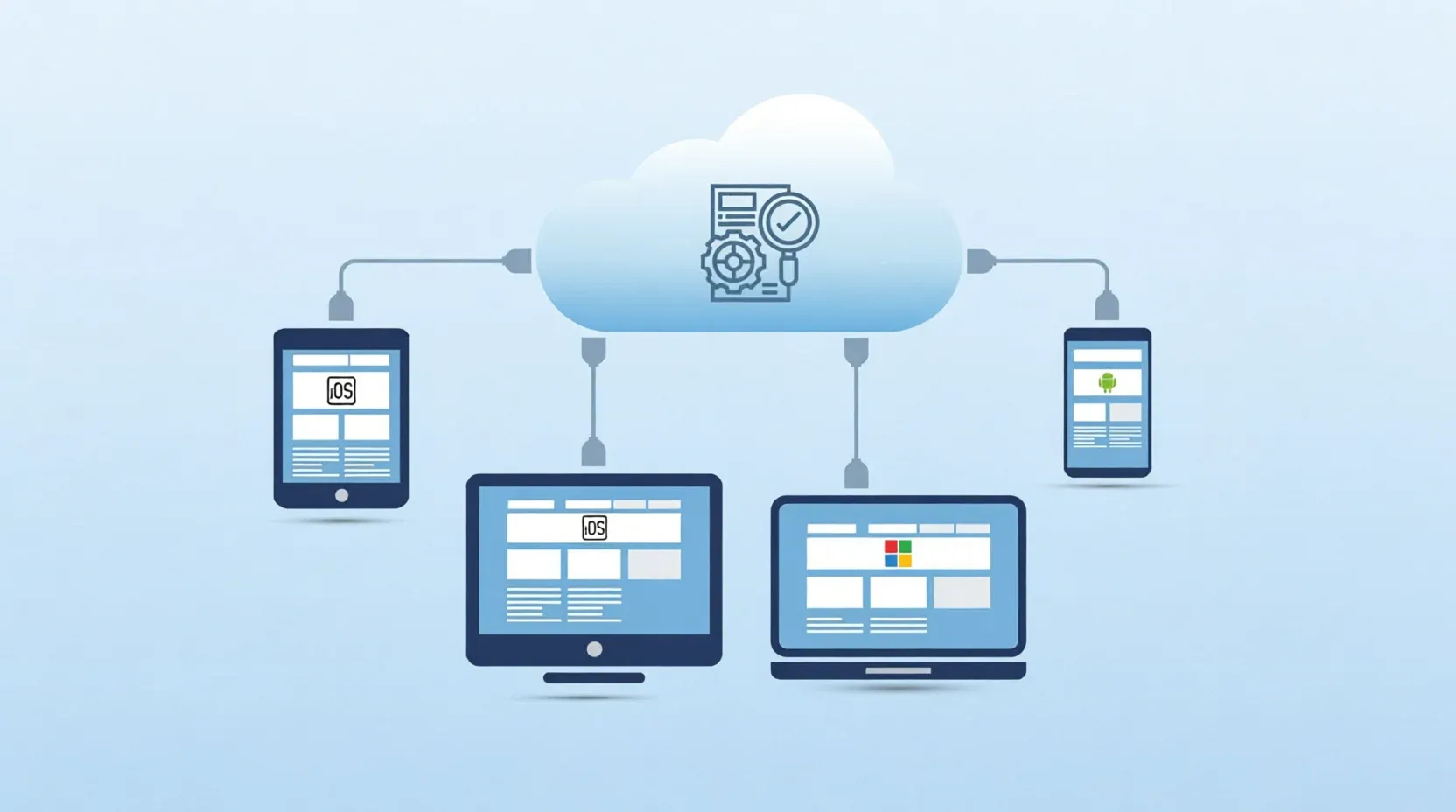
First Orion is attempting to solve the inherent friction between complex telecommunications validation and the rapid delivery speeds required by modern software development. By replacing its manual, hardware-heavy testing infrastructure with Sauce Labs’ programmable Real Device Cloud, the branded communications provider aims to transition from fragmented device management to an automated, AI-ready testing foundation. This strategic shift is designed to address the specific technical bottlenecks found in telecom environments, where traditional testing portals often lack the necessary API-level control. According to the company, this transition has already resulted in a 40% acceleration in release cycles for mobile apps and telecom solutions, while simultaneously reclaiming 35% of engineering and QA capacity for higher-value product development and architecture tasks.
First Orion Reclaims Engineering Capacity via Sauce Labs
The transition from a manually managed fleet of physical devices to a programmable cloud layer has fundamentally altered First Orion's resource allocation. Previously, managing distributed physical device fleets consumed up to 10% of engineering bandwidth solely for setup, while also introducing inconsistencies across test environments. By leveraging the Sauce Labs Real Device Cloud, First Orion has moved toward a model that utilizes a global fleet of public and private real devices across Apple, Google, and other OEM hardware. This shift has enabled the company to achieve a 20% baseline improvement in release-cycle time across its general product suite, with specific telecom and mobile applications seeing gains of up to 40%.
Beyond speed, the move has provided significant financial and operational relief. First Orion reports more than 10% savings on physical-device spending alone. More importantly, the company has reclaimed 35% of its combined engineering and QA capacity. This reclaimed bandwidth is being redirected toward product development, architecture, test design, and quality analysis. CTO Mark Himelfarb noted that the flexibility of the Real Device Cloud allows the company to build custom workflows required by its unique telecommunications environment, positioning the platform as a strategic component of their broader product strategy rather than a mere utility.
Building an AI-Ready Foundation through Programmable Infrastructure
A core driver of this infrastructure overhaul is the preparation for AI-integrated development workflows. First Orion is positioning the Real Device Cloud as a foundation for bringing AI more directly into the release process. By making real-device telemetry, logs, network signals, and test results more accessible through APIs, the company intends to feed AI models the high-fidelity, real-world context required to identify patterns, diagnose failures, and automate decisions that previously necessitated manual engineering review. This approach suggests a future where AI-driven development tools interact directly with the testing environment to validate functionality across diverse operating systems.
The technical requirements for this level of automation necessitated deep API control that First Orion claims other vendors could not provide. Specifically, the company required the ability to move data in and out, manage traffic, and emulate different conditions. The Sauce Labs platform allowed First Orion to build custom tooling to mirror device screens during automated tests, stream device logs in real time, and maintain persistent connections for long-running communications tests. Crucially, the solution provides access to real devices with live SIM cards on U.S. carriers, a requirement for the complex telecom validation that standard testing portals often fail to support.
Key Takeaways
- First Orion accelerated telecom and mobile release cycles by up to 40% and reclaimed 35% of engineering and QA capacity.
- The transition to Sauce Labs' Real Device Cloud resulted in more than 10% savings on physical-device spending.
- First Orion is utilizing programmable device telemetry and logs to build an AI-ready foundation for automated decision-making and failure diagnosis.
TechInsyte's Take
In our view, First Orion’s move highlights a critical shift in enterprise IT: the transition from "testing as a service" to "testing as programmable infrastructure." For companies operating in highly regulated or technically complex sectors like telecommunications, the bottleneck is rarely the code itself, but rather the inability to validate that code against real-world hardware constraints at scale. By prioritizing API-level control and live SIM card access, First Orion is effectively treating its testing environment as a data pipeline. This is a necessary precursor to meaningful AI adoption in the SDLC. If an organization cannot programmatically extract high-fidelity telemetry from its hardware, its AI models will remain starved of the context needed to move beyond simple pattern recognition into true autonomous quality assurance.
Questions & Answers
How does the move to a programmable cloud impact First Orion's engineering overhead?
The transition has allowed First Orion to reclaim 35% of its combined engineering and QA capacity. By eliminating the need to manually manage physical device fleets—which previously consumed up to 10% of engineering bandwidth just for setup—teams can now focus on architecture, test design, and product development.
What specific technical capabilities did First Orion require that drove their vendor selection?
First Orion required deep API-level control to manage data movement, traffic, and condition emulation. Specifically, they needed the ability to mirror device screens, stream logs in real time, and maintain persistent connections for long-running tests, all while accessing real devices with live SIM cards on U.S. carriers.
In what way does this infrastructure support future AI integration?
The programmable nature of the Real Device Cloud makes real-device telemetry, logs, and network signals more accessible. First Orion intends to use this rich, real-world data to feed AI models, enabling them to identify patterns, diagnose failures, and automate decisions that previously required manual engineering intervention.
What were the measurable financial and speed improvements reported?
First Orion reported a 20% baseline improvement in release-cycle time across products, rising to 40% for mobile apps and telecom solutions. Additionally, the company achieved more than 10% savings on physical-device spending.
Source: First Orion