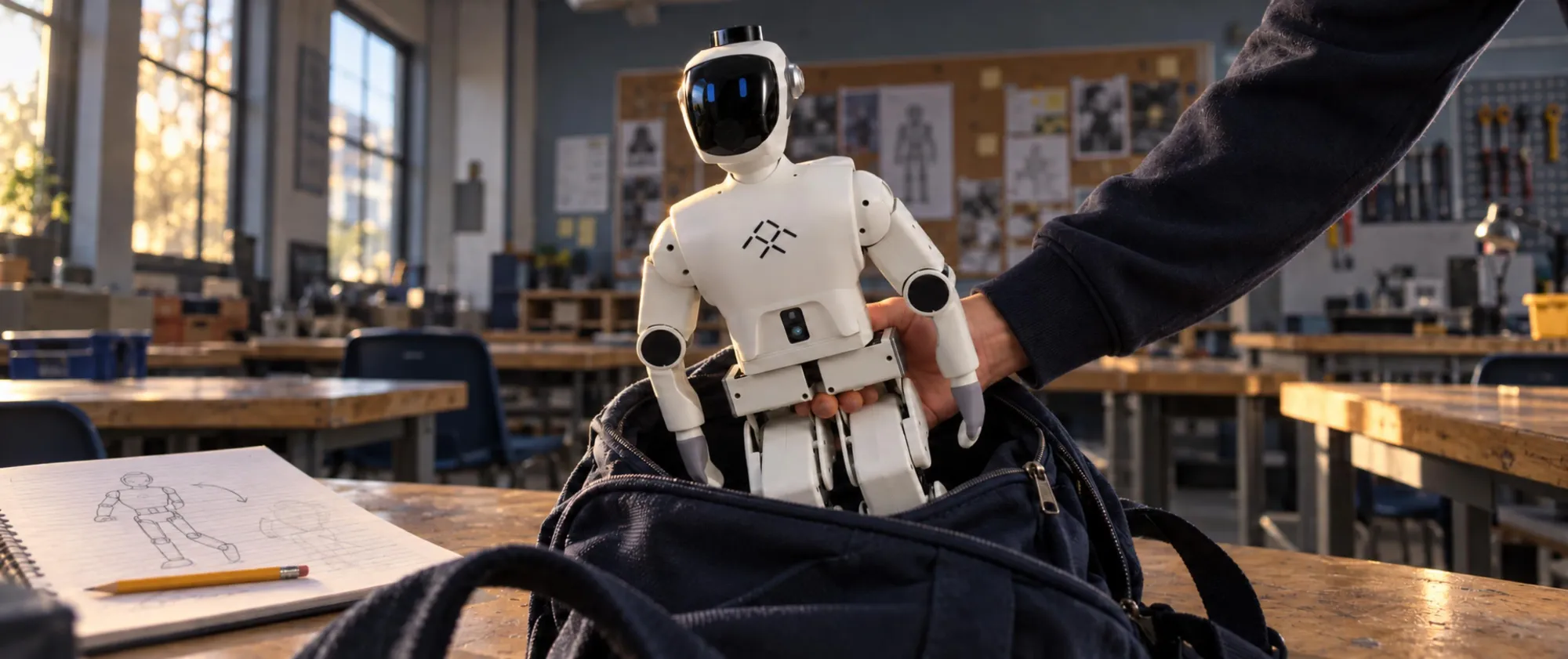
Fincantieri is attempting to bridge the gap between digital intelligence and heavy manufacturing by aggressively integrating Physical AI and advanced robotics into its global shipbuilding operations. This strategic pivot aims to secure industrial competitiveness by embedding intelligent systems directly into complex, physical production workflows. The company is transitioning from a phase of technology scouting to large-scale industrial deployment, signaling a move toward highly automated, data-driven shipyard environments. This evolution is central to the Group's long-term strategy to maintain technological leadership in high-complexity maritime construction.
The BOOST² Industrial Innovation Program
The company is scaling its BOOST² – The Shipyard of the Future initiative, an industrial innovation program launched three years ago to modernize production processes. Fincantieri is committing nearly $100 million in investment across its global network during the 2026–2030 Industrial Plan period to support this transition. The program has already engaged more than 450 employees across 13 shipyards worldwide, including the Wisconsin System of Shipyards and Fincantieri Marinette Marine. By involving operational staff directly, the company aims to ensure that new technologies address specific manufacturing requirements. This phase of the program, recently presented at the Castellammare di Stabia shipyard in Italy, focuses on accelerating the transition from experimental technology to standardized, day-to-day industrial application across the Group’s entire global footprint.
Physical AI and Digital Infrastructure Deployment
At the core of this technological overhaul is Physical AI, which Fincantieri is using to enable intelligent systems to interact directly with the physical manufacturing environment. The company is deploying collaborative robotics designed to assist personnel with complex tasks, alongside Digital Twin solutions for the digital management of shipyard assets and processes. To support these hardware-centric advancements, Fincantieri is also integrating Smart Supply Chain systems, additive manufacturing, and automated industrial equipment. The goal is to create a tighter connection between initial design, production planning, and actual manufacturing execution. To identify new specialized technologies, the company is leveraging an Open Innovation strategy, partnering with international SMEs and start-ups, and hosting events like the upcoming Dual-Use Hackathon in Silicon Valley to scout for high-potential maritime innovations.
Key Takeaways
- Fincantieri is investing nearly $100 million through its 2026–2030 Industrial Plan to support the BOOST² innovation program.
- The initiative integrates Physical AI, collaborative robotics, and Digital Twin solutions across 13 global shipyards.
- The company is utilizing an Open Innovation strategy to partner with SMEs and start-ups to tailor technologies for shipbuilding.
TechInsyte's Take
In our view, Fincantieri’s move to prioritize "Physical AI" represents a critical recognition that generative and digital AI reach a ceiling when they cannot interact with heavy, non-standardized industrial environments. By committing $100 million to bridge this gap, the company is betting that the future of maritime manufacturing lies in the synchronization of digital twins with real-world robotic execution. This is not merely a software upgrade; it is a fundamental reconfiguration of the shipyard as a cyber-physical system. If successful, this deployment could set a new benchmark for how heavy industry manages the transition from experimental R&D to scalable, automated production workflows.
Questions & Answers
How much capital is Fincantieri allocating to this technological transition?
Fincantieri is planning to invest nearly $100 million across its global network during the 2026–2030 Industrial Plan period to support the BOOST² program.
What specific technologies are being integrated into the shipyard workflows?
The company is deploying Physical AI, collaborative robotics, Digital Twin solutions for asset management, Smart Supply Chain systems, additive manufacturing, and automated industrial equipment.
How is Fincantieri ensuring these technologies meet actual operational needs?
Fincantieri has involved more than 450 employees across 13 shipyards in the development process and utilizes an Open Innovation strategy to partner with SMEs and start-ups to tailor solutions to specific shipbuilding requirements.
What is the primary objective of the new phase of the BOOST² program?
The current phase aims to accelerate the transition from technology scouting and experimentation to full-scale industrial deployment and the integration of solutions into day-to-day operations.
Source: Fincantieri