Comcast is attempting to move from reactive maintenance to predictive network management by deploying new fiber sensing technology designed to detect physical threats in real time. By analyzing vibrations traveling through existing fiber lines, the company aims to identify external activities—such as construction or subway movement—that could jeopardize buried infrastructure. This deployment represents a strategic shift toward using the physical layer of the network as a source of intelligence, providing an early warning system to mitigate potential outages before they impact service delivery or customer connectivity.
Real-Time Vibration Detection and Threat Identification
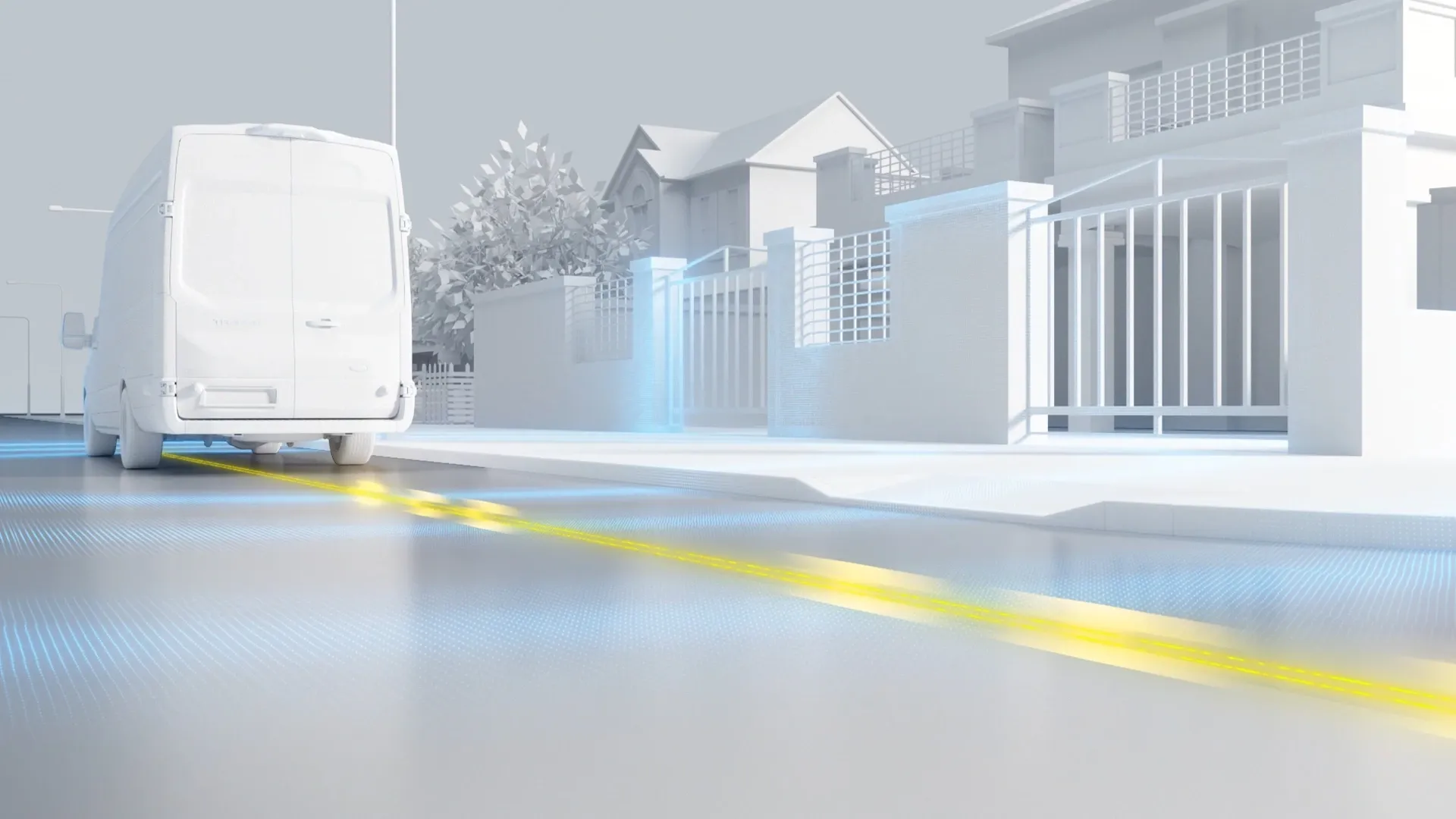
The core of Comcast’s new capability lies in its ability to distinguish between various types of environmental vibrations. According to the company, the technology can differentiate between a subway train passing an underground cable and construction equipment operating near a buried fiber route. Once a specific type of activity is identified, the system can pinpoint the exact location of the potential threat. This capability is intended to provide Comcast teams with an early warning, allowing for faster responses to activities that might otherwise lead to accidental line cuts or physical damage. Chief Network Officer Elad Nafshi stated that the goal is to make the "incredible complexity" of the connection invisible to the end user by leveraging network intelligence at scale.
Integration with AI and Future Infrastructure Goals
Beyond immediate threat detection, Comcast is exploring how fiber sensing might integrate with artificial intelligence and autonomous systems to enhance response protocols. The company is investigating future capabilities where sensing data could trigger the automatic dispatch of drones to provide real-time visual assessments of wildfires, vandalism, or accidents. Furthermore, Comcast intends to explore applying this technology across interconnected and third-party fiber networks that support its service delivery. This expansion suggests a move toward improving reliability across the entire end-to-end network experience, rather than just within its own proprietary footprint. This initiative builds upon existing investments in distributed software, telemetry, and AI that Comcast has deployed across its core infrastructure, neighborhood nodes, and advanced gateways to increase visibility and control.
Key Takeaways
- Comcast is utilizing fiber sensing technology to analyze vibrations in fiber lines to detect real-time activity near its network.
- The technology can distinguish between different environmental vibrations, such as subway trains or construction equipment, to pinpoint potential damage sites.
- The company is exploring future integrations with AI and drones to automate responses to network damage, vandalism, or wildfires.
TechInsyte's Take
In our view, Comcast’s move into fiber sensing signals a sophisticated evolution in how telecommunications providers approach physical layer security and uptime. By transforming passive fiber into an active sensor array, the company is effectively turning its infrastructure into a massive, distributed telemetry system. This is not merely a maintenance upgrade; it is a strategic attempt to reduce the high costs associated with emergency repairs and unplanned downtime. If Comcast successfully integrates this with AI-driven drone dispatching and extends it to third-party fiber, they could set a new standard for end-to-end network resilience that moves the industry closer to truly autonomous infrastructure management.
Questions & Answers
How does fiber sensing technology prevent network outages?
The technology analyzes vibrations traveling through fiber lines to identify external activities, such as construction near buried lines, providing an early warning that allows teams to respond before physical damage occurs.
What specific types of activity can the technology distinguish?
Comcast states the technology can differentiate between various types of activity, specifically citing the ability to distinguish between a subway train passing an underground cable and construction equipment operating near a fiber route.
How might AI and automation enhance this technology in the future?
Comcast is exploring combinations of fiber sensing with AI and data to support capabilities such as the automatic dispatch of drones to provide real-time views of accidents, vandalism, or wildfires.
Does this technology apply only to Comcast's own infrastructure?
While currently being deployed on its network, Comcast is exploring how the technology could be used across interconnected and third-party fiber that supports the services the company delivers and depends on.
Source: Comcast