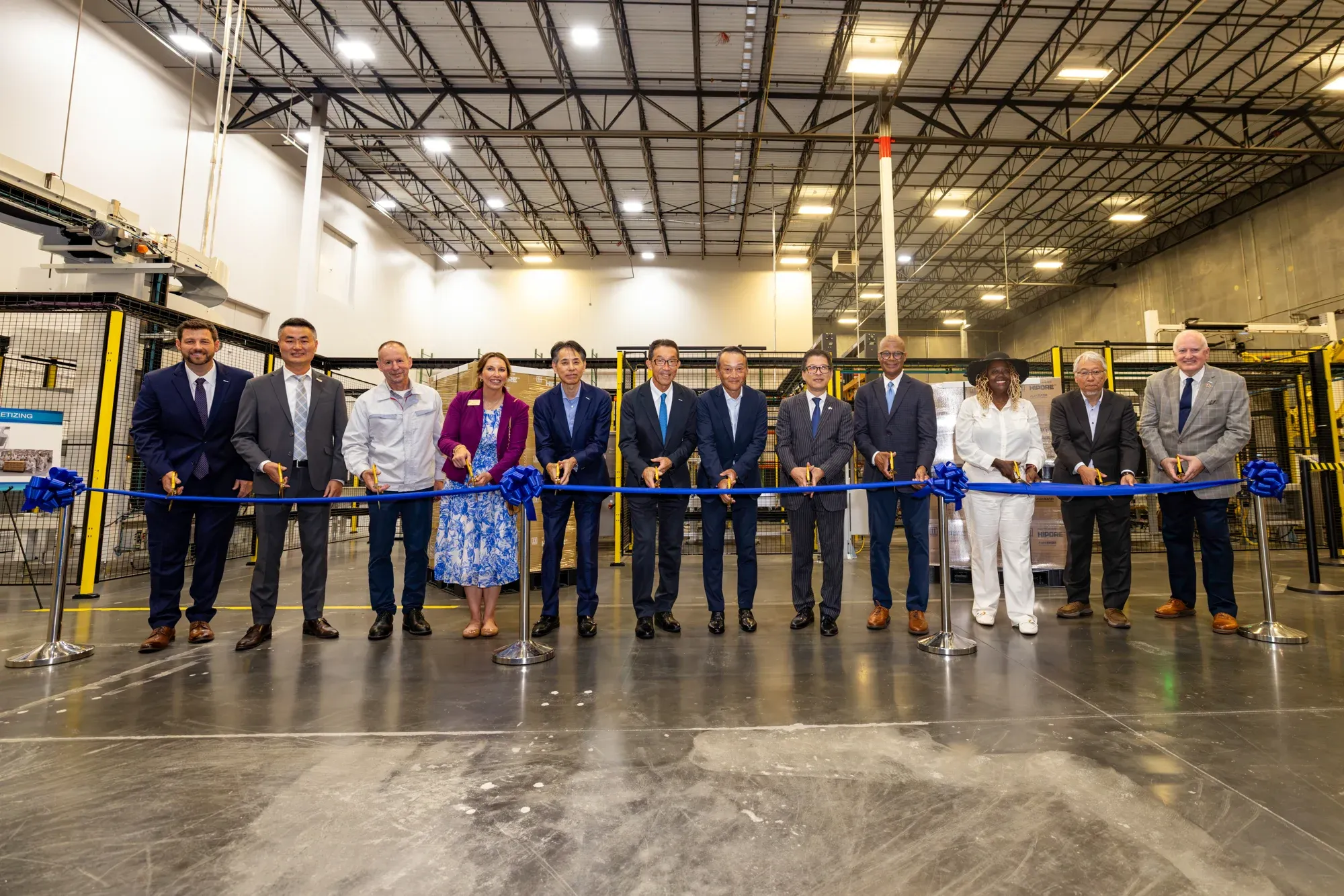
Asahi Kasei is localizing its high-performance battery component supply chain to capture shifting North American energy demand. The company recently held a grand opening for its new Hipore™ wet-process lithium-ion battery separator coating line in Charlotte, North Carolina. This expansion at the existing Celgard® manufacturing facility aims to bridge the gap between specialized technology and regional availability for electric vehicles and energy storage systems.
Charlotte Coating Line Expansion
The Charlotte facility expansion marks a strategic pivot for Asahi Kasei, moving beyond its long-standing dry-process separator production to include wet-process technology. While the Celgard® site has produced dry-process separators in the United States since 1986, this new investment introduces the Hipore™ wet-process coating line to the North American portfolio. The company made the investment decision in 2023 and expects commercial production to commence during the second half of fiscal 2026. This move is intended to establish a regional supply structure, reducing reliance on overseas logistics for critical battery components. The project was supported by stakeholders including Toyota Tsusho Corporation, which has entered into a capacity rights agreement related to the facility.
Regional Wet-Process Supply Strategy
Asahi Kasei is positioning this coating line as a foundational component of a broader North American manufacturing framework. The company is linking the Charlotte operations with a planned separator facility in Canada to create a comprehensive regional supply platform. This dual-site approach is designed to address growing demand in both the electric vehicle sector and the expanding energy storage systems market. By integrating Hipore™ wet-process and Celgard® dry-process technologies, the company intends to offer a more diverse product portfolio to regional manufacturers. This localized production capability is meant to allow the company to respond more swiftly to market fluctuations and the increasing requirement for domestic battery material sourcing across the North American continent.
Key Takeaways
- Asahi Kasei's new Hipore™ wet-process coating line in Charlotte is scheduled to begin commercial production in the second half of fiscal 2026.
- The investment expands the existing Celgard® facility, which has been producing dry-process separators in the U.S. since 1986.
- Toyota Tsusho Corporation has entered into a capacity rights agreement regarding the new Charlotte facility.
TechInsyte's Take
In our view, Asahi Kasei is aggressively de-risking its North American market position by diversifying its technological footprint. By pairing established dry-process manufacturing with new wet-process coating capabilities, the company is hedging against the specific technical requirements of different battery chemistries. This localized, multi-technology strategy, combined with the upcoming Canadian plant, suggests that Asahi Kasei is prioritizing supply chain resilience and regional responsiveness to secure long-term contracts in the increasingly competitive energy storage and EV sectors.
Questions & Answers
How does this expansion impact Asahi Kasei's North American product portfolio?
The expansion allows the company to offer both Celgard® dry-process and Hipore™ wet-process separator technologies within the North American region, providing a broader range of options for battery manufacturers.
What is the projected timeline for the new Charlotte coating line?
Following an investment decision in 2023, the company expects the Hipore™ wet-process coating line to enter commercial production during the second half of fiscal 2026.
How does this facility fit into the company's broader regional manufacturing plan?
The Charlotte coating line is intended to work in tandem with a planned separator facility in Canada to establish a complete regional supply framework for wet-process separators in North America.
What market segments is Asahi Kasei targeting with this localized production?
The company is targeting the growing North American demand for battery components in both the electric vehicle market and the increasing deployment of energy storage systems.
Source: Businesswire